 Ferndale
 Why Marietta's Setting Puts Extra Demands on a Roof
Marietta sits close to the water on the edge of Ferndale, and that location shapes what a roof has to deal with year after year. Homes here catch salt-laden air off Bellingham Bay and the Lummi Nation shoreline, take on wind-driven rain through the fall and winter, and sit under enough tree cover and cloud shade that moss and moisture never fully let up. None of that is unusual for Whatcom County, but Marietta gets a concentrated version of it because of the proximity to open water.
A roof in this setting isn't just shedding water — it's managing salt exposure on metal and fasteners, resisting wind uplift during winter storms, and staying clean enough that moss and organic debris don't trap moisture against the surface for months at a time. Asphalt shingles can struggle with all three at once. Metal roofing, installed correctly, handles them well — but "correctly" is doing a lot of work in that sentence, and it's where a lot of installs fall short.
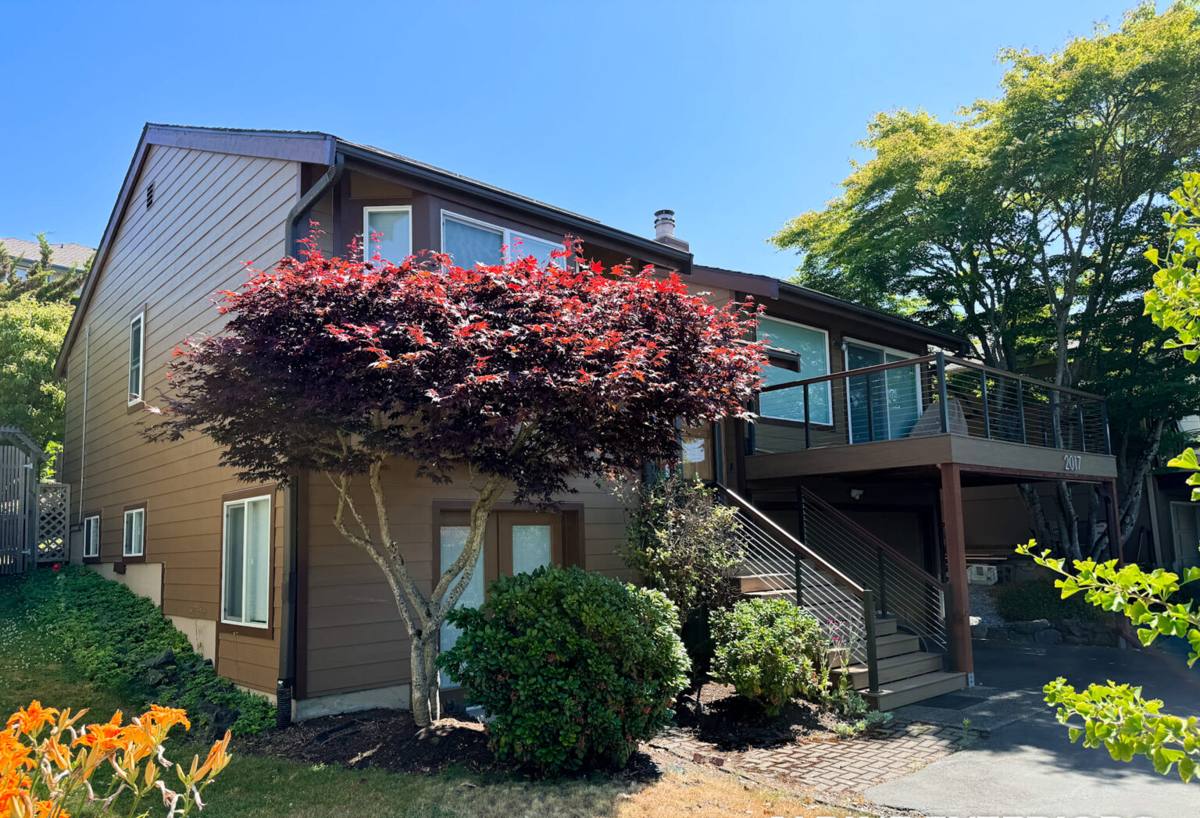
What a Correctly Installed Metal Roof Looks Like Here
Metal roofing has a reputation for being low-maintenance and long-lived, and that reputation is earned — but only when the system underneath the panels is built for the actual conditions the roof will face. In a near-water, high-moisture area like Marietta, that means paying close attention to a handful of things that matter less in drier inland climates:
- Corrosion-resistant fastener and flashing hardware rated for coastal or near-coastal exposure, not standard interior-grade hardware
- A ventilated underlayment system that lets any moisture that does get past the panels dry out instead of sitting against the roof deck
- Panel and trim details sealed against wind-driven rain, which hits roof edges and penetrations from angles that straight-down rain never does
- Coating systems chosen for salt air exposure, not just standard color and gloss retention
Skip any one of these and the roof can still look fine for a few years. The problems that come from cutting corners in coastal-adjacent conditions tend to show up slowly — as fastener corrosion, streaking, or soft spots in the deck — which is exactly why the install quality matters more here than it does further inland.
Panel Types and Coatings: What Holds Up Near Salt Air
| Panel/Coating Option | Performance Near Salt Air | Maintenance Consideration |
|---|---|---|
| Standing seam steel, factory-applied PVDF (Kynar-type) coating | Strong corrosion and fade resistance; long track record in coastal Pacific Northwest use | Occasional rinse to clear salt film and debris; minimal upkeep otherwise |
| Standing seam steel, standard SMP coating | Adequate for inland use; shows chalking and fade faster with salt air exposure | More frequent inspection recommended in exposed locations |
| Aluminum panel systems | Naturally corrosion-resistant, a strong option for the closest-to-water lots | Higher material cost; softer metal, more careful handling during install |
| Exposed-fastener metal panels | Workable, but fastener heads are the first failure point in salt and moisture exposure | Fastener washers should be checked periodically; not our first recommendation this close to the water |
We don't install every option on this list on every job — for lots closest to open water or with heavy salt exposure, we'll steer the conversation toward standing seam with a PVDF coating or aluminum, because the maintenance burden over the life of the roof is meaningfully lower. For homes a bit further inland within Marietta, standard coated steel panels are often a perfectly sound, more economical choice. That's a conversation we have on-site, not a one-size answer.
Concealed vs. Exposed Fastener Systems
Standing seam panels use concealed fasteners hidden under the seam, which keeps metal-to-metal contact points out of direct weather. Exposed-fastener panels are less expensive up front but rely on a rubber washer under each screw head to stay watertight — and in a wet, salty climate, those washers are the first thing to age out. We'll install exposed-fastener systems when a budget calls for it, but we're upfront that it comes with a shorter maintenance-free window than standing seam.
Flashing, Fasteners, and the Details That Actually Fail First
Metal panels themselves rarely fail. When a metal roof leaks, it's almost always at a transition point — a valley, a chimney or vent penetration, a wall flashing, or an eave detail — not through the field of the panel. Marietta's exposure to driving rain makes these details even less forgiving, because wind pushes water sideways and uphill in ways gravity-only flashing details can't handle.
Getting this right means step flashing and counterflashing that's properly lapped and sealed, not just caulked over; closure strips at ridges and eaves that keep out wind-blown rain and debris while still allowing the roof to breathe; and penetration boots and pipe flashings rated for the coating system they're paired with, so dissimilar metals don't set up galvanic corrosion against each other. This last point matters more than most homeowners realize — mixing incompatible metals at a fastener or flashing point can cause corrosion that has nothing to do with the panel quality itself.
Moss, Debris, and Long-Term Maintenance in a Wet Climate
Ferndale's moss season is long, and Marietta's tree cover and shade in some lots make it longer. Metal roofing sheds moss and organic growth far better than shingles because there's no porous surface for spores to root into — but that doesn't mean a metal roof is immune to buildup. Debris that collects in valleys, at wall intersections, or against snow guards can hold moisture against the panel and, over time, wear through a coating even on quality metal.
The maintenance a metal roof actually needs in this climate is light compared to shingles, but it isn't zero. Keeping gutters and valleys clear, checking that moss and needle debris aren't building up in shaded low-slope sections, and doing a periodic visual check of flashing and fastener points goes a long way toward getting the full lifespan out of the system.
Our Installation Process, Start to Finish
We run the same process on every metal roofing job in Marietta, adjusted for the specific lot and exposure:
- On-site assessment — we look at the existing roof deck condition, the home's proximity to water and tree cover, current ventilation, and any problem areas the homeowner has already noticed.
- System selection — panel profile, coating, and fastener type get chosen based on exposure, budget, and the home's roofline, not defaulted to whatever's easiest to install.
- Deck prep and underlayment — any damaged decking gets replaced before anything goes down, and we install an underlayment suited to a wet, moss-prone climate rather than a bare-minimum product.
- Flashing and penetration work — done before panel installation is finalized, since these are the details that determine whether the roof stays watertight for decades.
- Panel installation — installed to manufacturer spec for fastener spacing, seam engagement, and thermal expansion allowance, which matters more on longer panel runs.
- Final walk-through — we go over the completed roof with the homeowner, point out anything worth keeping an eye on, and explain the maintenance that actually matters versus what doesn't.
Cost Factors for a Marietta Metal Roofing Project
Every roof is different, but the main cost drivers on metal roofing jobs in this area tend to be the same handful of factors:
| Factor | Why It Affects Cost |
|---|---|
| Panel and coating choice | PVDF-coated standing seam and aluminum cost more up front than standard coated steel or exposed-fastener panels |
| Roof complexity | Valleys, dormers, and multiple penetrations require more flashing labor than a simple gable roof |
| Existing deck condition | Rot or moisture damage found during tear-off means deck repair before panels go on |
| Roof pitch and access | Steeper pitches and limited site access add labor time and safety setup |
| Ventilation upgrades | Older homes sometimes need ventilation improvements to work properly with a new metal roof system |
We give straightforward, itemized estimates so homeowners can see where the money is going, rather than a single lump number that hides the tradeoffs between options.
Why a Local Ferndale Crew Matters for Marietta Homes
A metal roofing install that works well in a dry inland climate can underperform on a Marietta lot if the crew doesn't adjust for salt exposure, wind-driven rain, and moss buildup. We work in Ferndale and the surrounding Whatcom County communities regularly, which means we're not guessing at what this specific stretch of coastline does to a roof over ten or twenty years — we're building for it from the first estimate.
That local familiarity also means faster response if something needs a look after a big winter storm, and a crew that already understands the permitting and inspection expectations in the area. We'd rather get the details right the first time than have a homeowner deal with a callback two winters from now.
Metal Roofing Maintenance Checklist for Marietta Homeowners
- Clear gutters and valleys of moss, needles, and leaf debris at least once or twice a year
- Do a visual check of flashing around chimneys, vents, and wall intersections after major storms
- Watch for streaking or discoloration that could indicate coating wear near salt-exposed edges
- Trim back overhanging branches that keep sections of the roof shaded and damp longer than necessary
- Have fastener heads and seams checked periodically if the system uses exposed fasteners
- Address any minor issues early — small flashing or sealant fixes are far cheaper than deck repair later
If you're weighing metal roofing for a home in Marietta or elsewhere around Ferndale, we're happy to walk the roof with you, talk through panel and coating options for your specific lot, and put together a clear, no-pressure estimate using the form below.