 Ferndale
 Asphalt Shingle Roofing Built for Bellingham's Climate
Bellingham and Ferndale sit close enough to the water that homeowners deal with a specific combination most roofers inland never have to think about: salt-laden air off Bellingham Bay and the Strait, long stretches of driving rain that comes in sideways off the water, and a moss season that can run eight or nine months out of the year. An asphalt shingle roof that's installed correctly for this climate can go the distance. One that's installed the way it would be in a drier part of the state usually starts showing problems well before it should.
We're a Ferndale-based siding and exterior contractor, and while siding is our main trade, we work asphalt shingle roofing regularly on the same homes because the two systems have to work together at the eaves, the walls, and every flashing point in between. This page covers what we've learned about doing shingle roofs right in this specific part of Whatcom County.
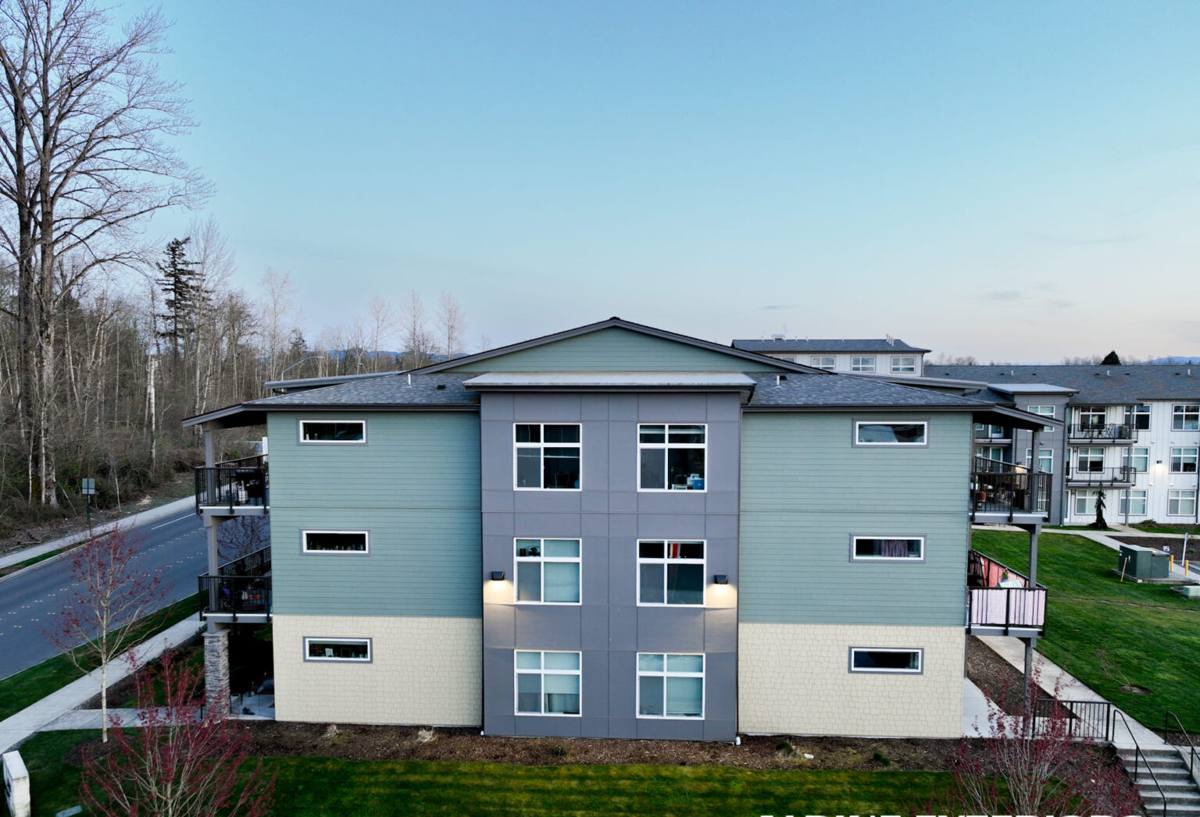
What Whatcom County Weather Does to a Shingle Roof
Salt Air and Metal Fasteners
Homes closer to the water take in a steady, low-level dose of salt air. Over years, that air accelerates corrosion on any exposed metal — nail heads, drip edge, flashing, and the fasteners holding ridge caps down. A roof installed with the wrong fastener spec, or with flashing that isn't properly lapped and sealed, will show rust streaks and early metal failure well before the shingles themselves wear out.
Driving Rain and Wind-Driven Water
Rain here doesn't always fall straight down. Storms off the Strait push water sideways, which means it can work its way under shingle tabs, around chimney flashing, and into valleys if those details weren't built with margin for wind-driven moisture. A roof that would be fine in a calmer climate can leak here simply because the underlayment and flashing weren't sized for how the rain actually arrives.
Moss, Shade, and Slow-Drying Roofs
Bellingham's tree cover and long damp season mean a lot of roofs stay wet or shaded for days at a stretch. Moss and algae take hold fastest on north-facing slopes, under overhanging branches, and anywhere debris collects. Left unchecked, moss lifts shingle edges, holds moisture against the roof deck, and shortens the life of even a good shingle by years.
What a Correct Asphalt Shingle Job Looks Like Here
A shingle roof is a system, not just a layer of shingles. In this climate, every layer underneath the shingles matters as much as the shingles themselves.
- Ice-and-water shield at vulnerable points: eaves, valleys, around chimneys and skylights — anywhere water tends to pond or back up.
- Synthetic underlayment across the full deck: a durable water-resistive barrier under the shingles, not just felt paper that degrades in a wet climate.
- Corrosion-resistant flashing and fasteners: specified for coastal exposure, not generic hardware.
- Proper nailing pattern: correct nail placement and count per shingle, which matters more for wind resistance here than in calmer inland areas.
- Balanced attic ventilation: intake at the eaves and exhaust at the ridge, sized to the attic volume, so moisture doesn't condense against the underside of the deck.
- Drip edge and starter strip at every eave and rake: the detail most likely to be skipped on a rushed job, and the one most likely to cause edge rot when it is.
Skip any one of these and the roof may look fine for a season or two before the climate finds the gap.
Choosing a Shingle for This Climate
Not every asphalt shingle product is a good fit for a coastal, moss-prone climate. We steer homeowners toward shingles with algae-resistant granules (usually copper-infused) as standard, because untreated shingles will show streaking within a few years in this environment. Beyond that, the decision usually comes down to budget, wind rating, and how long you plan to be in the home.
| Shingle Type | Typical Lifespan Here | Best Fit |
|---|---|---|
| 3-tab (standard) | 15–20 years | Budget-conscious, rentals, shorter hold periods |
| Architectural / dimensional | 25–30 years | Most owner-occupied homes; better wind and impact rating |
| Premium/designer architectural | 30+ years | Homes where appearance and longevity both matter |
We don't push homeowners toward the most expensive option by default. We size the recommendation to the roof's exposure — a shaded, north-facing roof under trees needs a different conversation than a wide-open south-facing roof that dries out fast between storms.
A Note on Algae-Resistant Warranties
Most manufacturers offer a separate warranty period specifically for algae resistance, shorter than the overall shingle warranty. In a climate as damp as Bellingham's, that distinction matters — we walk homeowners through what's actually covered so there's no surprise later if streaking shows up sooner than the general warranty would suggest.
Our Process, Start to Finish
- On-site inspection: we walk the roof (or use a lift/drone where pitch or access makes that safer) and check the deck, flashing, ventilation, and any problem areas from inside the attic as well as outside.
- Written estimate: a clear scope covering tear-off, deck repair allowance, underlayment, flashing, shingle selection, and ventilation — no vague line items.
- Tear-off and deck inspection: we don't roof over rot. Any soft or water-damaged decking gets identified and replaced before anything new goes down.
- Underlayment and flashing installation: built to the coastal spec described above, not a one-size-fits-all default.
- Shingle installation: correct nailing pattern, proper exposure, and attention to valleys, hips, and ridge.
- Ventilation check: we confirm intake and exhaust are balanced before we call the job done — this is the step most often skipped by roofers who don't also work on the building envelope.
- Final walkthrough: we review the finished roof with the homeowner, including basic maintenance expectations for the local climate.
Signs a Bellingham-Area Roof Needs Attention
- Granules collecting in gutters or at downspout outlets
- Dark streaking or green/black patches, especially on shaded slopes
- Moss visible along shingle edges or in valleys
- Curling, cracked, or missing shingle tabs, particularly after a windstorm
- Daylight visible through the roof deck from inside the attic
- Water stains on ceilings or in the attic after heavy rain
- Sagging in the roofline, which can indicate deck damage underneath
Any one of these is worth a look before the next wet season sets in. Several at once usually means the roof is past the point where a repair alone will hold.
Repair, Re-Roof, or Replace?
Not every problem means a full replacement. A roof with isolated flashing failure, a handful of wind-lifted shingles, or a moss buildup with otherwise sound shingles is often a good repair candidate. We're honest about that distinction because it's the homeowner's money and roof, not ours.
Full replacement usually makes sense when the shingles are past their expected lifespan for this climate, when there's widespread granule loss, when the deck has water damage in multiple areas, or when a home has had recurring leaks despite spot repairs. We'll tell you plainly which category your roof falls into and why, rather than defaulting to the more expensive recommendation.
Maintenance That Actually Extends Roof Life Here
A little seasonal attention goes further in this climate than in drier parts of the state.
- Clear moss and debris from valleys and north-facing slopes at least once a year
- Keep gutters clear so water isn't backing up under the shingle edge
- Trim back branches that keep sections of the roof shaded and slow to dry
- Have flashing around chimneys, skylights, and vents checked every few years, since sealant and metal both degrade faster in salt air
- Address small leaks immediately — in a climate this wet, small deck damage doesn't stay small
Why Hiring a Crew That Already Works Bellingham and Ferndale Matters
A roof built to a generic spec sheet is not the same as a roof built for Whatcom County's actual weather. We work these neighborhoods regularly, which means we already know which roof orientations tend to hold moss, which older homes in the area tend to have marginal attic ventilation, and which flashing details need extra attention given how rain moves off the water here. That local pattern recognition is hard to replace with a national spec sheet, and it's part of why we can flag problems during an inspection that a crew unfamiliar with the area might miss entirely.
Because we also do siding and exterior work on these same homes, we look at the roof as part of the whole building envelope — how it drains, how it vents, and how it interacts with the walls below — rather than as an isolated project.
If you're in Bellingham, Ferndale, or elsewhere in Whatcom County and want an honest look at your roof's condition, we're happy to come take a look. The estimate is free, there's no pressure to sign anything on the spot, and you'll get a straight answer about whether you're looking at a repair or a replacement — just fill out the form below to get started.