 Ferndale
 Building Decks for Nooksack's Climate, Not Against It
Nooksack sits close enough to Bellingham Bay to catch salt-laden air on a west wind, and close enough to the Nooksack River corridor to sit under tree cover that keeps decks damp long after a storm has passed. That combination — salt air, driving rain off the Sound, and a moss season that can run eight months or more — is hard on a deck that wasn't built with this specific area in mind. We've built and repaired decks throughout Whatcom County long enough to know that a deck designed for a drier climate, or built to a generic national spec, tends to show its age fast out here. This page covers what actually matters when you're building a deck for a Nooksack property: the materials, the structural details, and the build process that hold up.
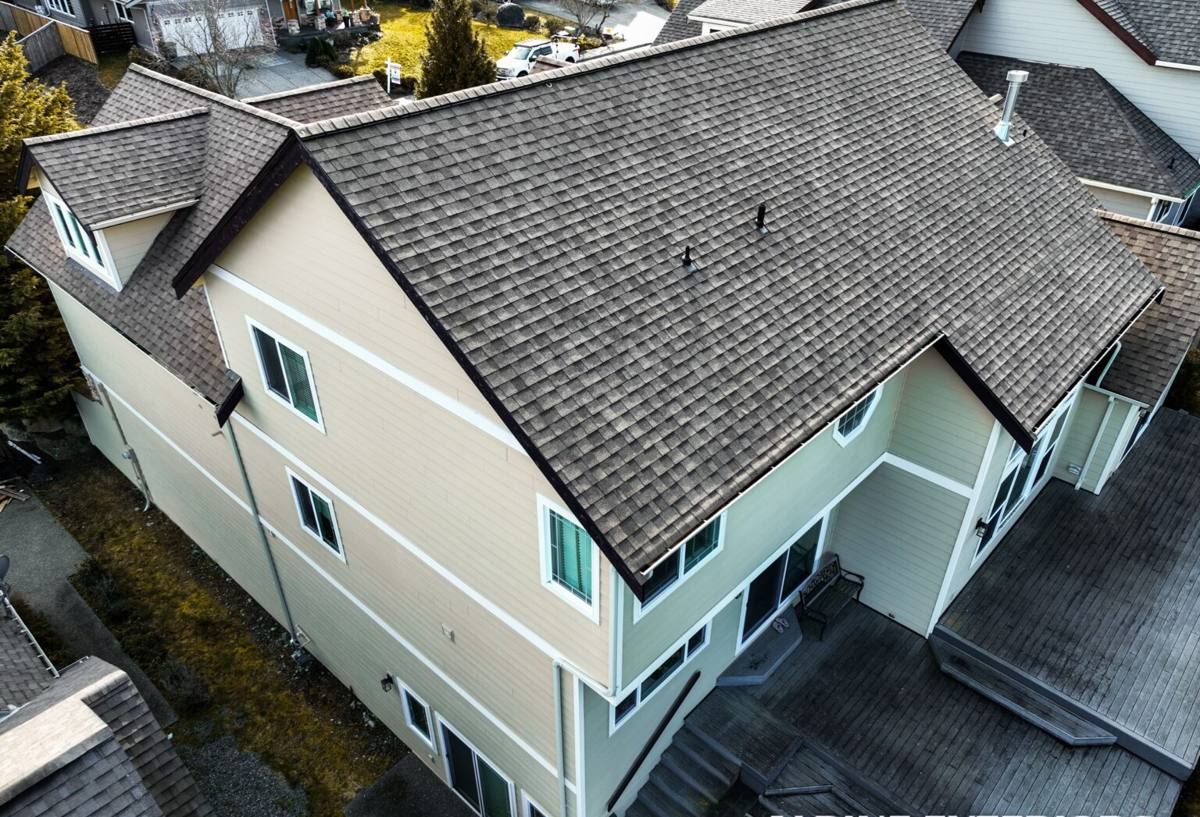
What the Local Climate Actually Does to a Deck
It helps to understand the specific ways this climate attacks a deck, because it changes which decisions matter most.
Salt Air and Metal Fasteners
Properties nearer the water pick up airborne salt that accelerates corrosion on anything metal — nails, screws, joist hangers, railing hardware. Standard electro-galvanized fasteners can start rusting within a few seasons in this environment. Once a fastener rusts, it weakens, and a weakened fastener in a structural connection (like a ledger board or joist hanger) is a safety issue, not just a cosmetic one.
Driving Rain and Water Intrusion
Rain here doesn't just fall straight down — wind-driven rain gets pushed sideways into ledger connections, under railing posts, and into any gap where flashing was skipped or done poorly. Whatcom County gets a lot of annual rainfall spread across many wet days rather than occasional downpours, which means wood and fasteners stay wet longer per rain event than they would in a climate with fewer, heavier storms.
Moss, Algae, and Shade
Wooded or partially shaded lots near the river hold moisture on deck boards well into the season. Moss and algae aren't just an appearance problem — they trap moisture against the board surface, and on wood decking that trapped moisture is what starts rot. A deck built without airflow underneath, or with boards installed too tight, will grow moss faster and rot sooner.
Freeze-Thaw Cycling
Whatcom County winters bring occasional hard freezes on top of near-constant dampness. Water that's soaked into wood grain or sat in a fastener hole expands when it freezes, which splits wood fibers and loosens connections over repeated cycles. It's a slower process than storm damage, but it's steady, and it's one more reason generic specs undersell what this area needs.
Choosing Decking Material for a Nooksack Property
There's no single "best" decking material — the right call depends on your budget, how much shade the deck gets, and how much maintenance you actually want to do. Here's how the common options hold up under this area's conditions specifically.
| Material | How it handles this climate | Maintenance | Rough cost position |
|---|---|---|---|
| Pressure-treated wood | Affordable and strong, but needs consistent sealing to resist moss and rot in shaded, damp spots | Annual cleaning, re-seal every 1-2 years | Lowest upfront cost |
| Cedar | Naturally rot- and insect-resistant, ages well, but still needs sealing to fight moss in low-airflow areas | Cleaning and sealing every 1-2 years | Mid-range |
| Composite decking | Resists rot and won't absorb water into the board core; some capped composites still need occasional cleaning where moss builds up in shade | Periodic washing, no sealing required | Higher upfront, lower long-term labor |
| PVC decking | Fully resists moisture absorption and is the most moss-resistant option we install in shaded, damp settings | Occasional washing | Highest upfront cost |
We don't push one material on every job. A sunny, open lot with good airflow can do fine with a well-sealed wood deck. A shaded lot near the river with limited sun exposure is where composite or PVC earns its higher price tag — less time spent fighting moss, and no annual sealing schedule to keep up with.
The Structural Details That Actually Prevent Failures
Most deck problems we get called out for in this area don't start with the decking boards — they start underneath, at connections a homeowner never sees until something fails. A correct build addresses these specifically for wet, salt-air conditions:
Ledger Board Flashing
The ledger board — where the deck attaches to the house — is the single most common failure point on decks in wet climates. It needs proper flashing that sheds water away from the house band board, not just caulk, which degrades and cracks over time. This is the connection we check first on any deck repair or evaluation.
Corrosion-Resistant Fasteners and Hardware
Given the salt air this area sees, we use stainless steel or heavy hot-dip galvanized fasteners and connectors rated for coastal or treated-lumber exposure, not standard-grade hardware. It costs more up front and it's the difference between hardware that lasts the life of the deck and hardware that starts rusting within a few years.
Footings Sized for Wet, Shifting Soil
Ground near the Nooksack River corridor can hold more moisture than soil further inland, which affects how footings perform over time. Footings need to be sized and set to local frost depth and soil conditions, not a one-size-fits-all minimum.
Airflow and Board Spacing
Decking boards need consistent gapping to let water drain through and air move underneath — tight-fit boards trap moisture and are where we most often find early moss growth and soft spots. Joist tape over the framing adds another layer of protection against standing moisture reaching the structural wood.
How We Build a Deck in This Area
Our process is built around the failure points above, not just a generic install checklist:
- On-site evaluation of sun exposure, drainage, and existing structure (for replacements) before any design work
- Ledger flashing detail specified up front, matched to your home's siding and wall assembly
- Footing depth and layout set for local soil and frost conditions, not a stock minimum
- Joist tape and corrosion-resistant hardware specified on every structural connection
- Board spacing and airflow planned around your lot's actual shade pattern
- Final walkthrough covering what maintenance your specific material and site will need
Permits and Code in Whatcom County
Most new decks and many deck replacements in unincorporated Whatcom County and within Ferndale require a building permit, and the requirement usually depends on the deck's height, size, and whether it's attached to the house. Permitted work also means a structural inspection, which is worth having regardless — it's a second set of eyes on the ledger connection and footings, the two places we've already covered as the most common failure points. We handle the permit process as part of the job so you're not tracking it down yourself.
Maintenance a Nooksack Deck Actually Needs
What your deck needs depends on the material, but the underlying goal in this climate is always the same: keep water from sitting on or in the wood, and knock back moss before it establishes.
- Sweep debris and standing organic matter (leaves, needles) off the deck regularly through fall and winter
- Rinse or lightly scrub moss and algae off the surface at the start of the wet season, before it spreads
- Check and reseal wood decking on the schedule appropriate to your product — waiting too long lets moisture back into the grain
- Inspect railing posts and stair connections yearly for loose hardware, especially after the first hard freeze of the season
- Keep gutters and downspouts near the deck clear so runoff isn't draining directly onto or under it
Repair Versus Replacement
Not every aging deck needs to be torn out. If the framing and footings are sound and the damage is limited to surface boards or railing, a partial rebuild can extend the deck's life at a fraction of full replacement cost. But if the ledger connection has been leaking for a while, or footings have shifted, patching the visible symptoms without addressing the structure underneath just delays a bigger repair. Part of our evaluation is being straight with you about which situation you're actually in.
Why a Crew That Knows Nooksack Matters
A deck built to a generic spec sheet can look identical to a well-built one on installation day. The difference shows up two, five, and ten years later, in the ledger connection that never leaked, the hardware that never rusted through, and the shaded corner that never grew a moss mat thick enough to hold water against the boards. We build decks throughout the Ferndale area and Whatcom County with those specific, local failure points in mind from the design stage on, not as an afterthought once a problem shows up.
If you're planning a new deck or dealing with an aging one in Nooksack, we're glad to take a look and give you a straightforward assessment — no pressure, no sales pitch, just what we'd actually recommend for your property. Use the form below to request a free estimate.