 Ferndale
 Why Bellingham Windows Take More Abuse Than the Rating Sticker Admits
A window's energy label is measured in a lab, not on a wall facing Bellingham Bay in a January windstorm. Homes in this part of Whatcom County deal with a steady combination of salt-laden air, wind-driven rain, and a moss season that can run most of the year on shaded or north-facing walls. None of that shows up on a manufacturer's efficiency sticker, but all of it determines how a window actually performs five or ten years after installation.
The practical result is that two houses with identical "energy-efficient" windows can age very differently. One was installed with attention to flashing, drainage, and frame material suited to a marine climate. The other was installed to spec on paper but not to conditions on the ground. We work Bellingham and the surrounding Ferndale area routinely enough to know which details matter here and which are just marketing.
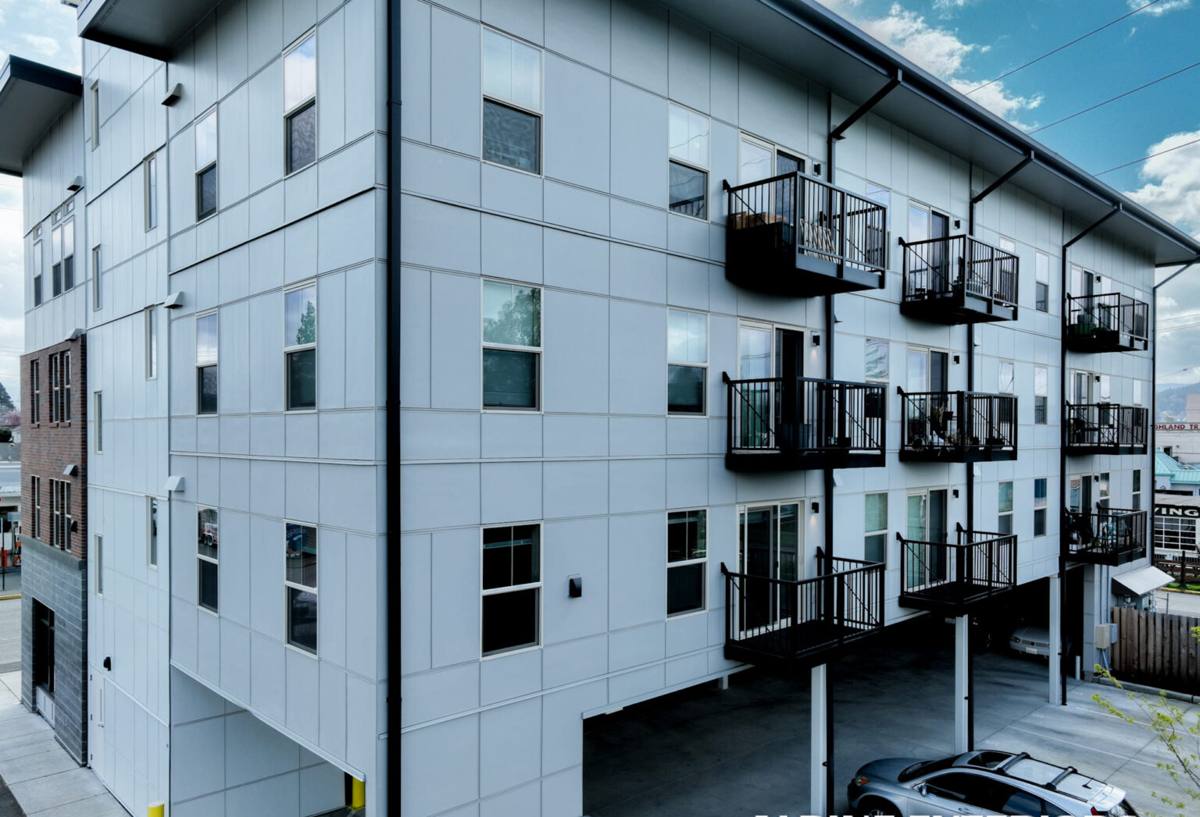
What "Energy-Efficient" Should Actually Mean for a Whatcom County Home
Glass Package
Low-E coatings and argon-filled dual-pane glass are the baseline for a reasonable efficiency upgrade in this region. Triple-pane glass adds real value mainly on north-facing rooms, exposed upper stories, or homes right along the water where wind chill on glass surfaces is more pronounced — it's a smaller win on sheltered, south-facing walls where dual-pane already performs well.
Frame Material
Glass gets the attention, but the frame is what fails first in a wet coastal climate. A frame that swells, warps, or lets moisture track behind it will undercut even the best glass package. Frame choice matters more here than it would in a dry inland climate.
Installation Fit
A well-rated window installed with a gap in the flashing or a poor seal against the rough opening will leak air and, eventually, water — regardless of what the label says. Efficiency is a product of the window and the installation together, not the window alone.
Signs Your Current Windows Are Losing the Fight
Most homeowners don't replace windows because of a single dramatic failure — it's a slow accumulation of small problems. Walk your house and check for these:
- Fogging or a hazy film between the panes (a failed seal on the insulated glass unit)
- Noticeable drafts near the frame, even with the window latched
- Sashes that stick, bind, or are hard to latch — often a sign of swelling from moisture intrusion
- Visible moss, algae, or black staining on the frame, sill, or the siding just above and below the window
- Condensation on the inside of the glass during cool, wet stretches
- A cold radiating feeling near the window even when the room is heated
- Soft or discolored wood trim at the corners or bottom of the frame
- A heating bill that's climbed without an obvious cause
Any one of these on its own isn't an emergency. Several of them together, especially on the same wall, usually mean the window and its flashing are due for replacement rather than another round of caulk.
Frame Material Comparison for a Marine Climate
| Material | Moisture Resistance | Maintenance | Relative Cost | Notes |
|---|---|---|---|---|
| Vinyl | Good — won't rot, minor risk of warping in direct heat exposure | Low — occasional cleaning | Lower | Solid all-around choice for most Bellingham homes; quality varies a lot by manufacturer |
| Fiberglass | Very good — dimensionally stable, resists swelling | Low | Higher | Holds up well through wet-dry cycles; worth it on heavily exposed walls |
| Wood-clad / aluminum-clad | Good on the exterior face, but vulnerable if the cladding seal is compromised | Moderate to high | Higher | Attractive interior wood look; we're selective about where we recommend it given our climate's moisture load |
| Aluminum (uncladded) | Poor thermally, prone to condensation | Low | Lower to moderate | We generally steer homeowners away from it for efficiency-focused replacements here |
Vinyl and fiberglass are our default recommendations for most Bellingham replacements, with fiberglass earning its higher cost on walls that take the brunt of the weather. Wood-clad units still have a place where the interior look matters most, but we're upfront that they carry a higher maintenance burden in a climate this wet.
The Installation Details That Actually Keep Water Out
Flashing and Weather Barrier Integration
The window itself is rarely where a leak starts — the rough opening around it is. Proper installation means integrating flashing tape and the house's weather-resistant barrier in the correct shingled order (bottom, sides, then top) so water is directed out and down, never trapped behind the siding. Skipping or rushing this step is the single most common cause of hidden rot we find behind older windows.
Sealant and Drainage
Exterior sealant is a backup, not the primary defense — a window that depends on caulk alone to stay dry will eventually fail. Sill pans and weep paths need to be clear so any water that does get past the outer seal can drain back out rather than pooling against the frame.
This is where hiring matters as much as the product you choose. A premium window installed without correct flashing will underperform a mid-range window installed properly.
What Drives the Cost
| Factor | Why It Matters |
|---|---|
| Window size and quantity | Larger openings and whole-house replacements have more material and labor per project |
| Glass package | Triple-pane and specialty coatings add cost over standard low-E dual-pane |
| Frame material | Fiberglass and wood-clad run higher than standard vinyl |
| Old window removal and disposal | More involved on older wood-frame homes with layered trim or lead-paint-era construction |
| Trim and siding repair | If moisture damage is found during removal, that repair is priced separately from the window itself |
| Accessibility | Upper-story or hard-to-reach windows take more time and equipment |
As a rough guide, full-frame window replacement for a typical home in this area runs from a few hundred dollars per window for a straightforward vinyl unit up to well over a thousand per window for larger openings, fiberglass frames, or upgraded glass. We give an exact number after seeing the actual openings and condition of the framing — not before.
Why Local Experience in Bellingham and Ferndale Matters
A crew that works this specific area regularly develops a feel for things that don't show up in a general training manual. Wind-driven rain in Whatcom County tends to hit west- and southwest-facing walls hardest, so those elevations often justify a step up in frame material or flashing detail even if the rest of the house doesn't. North-facing walls and anything shaded by trees or a neighboring structure are where moss and algae take hold fastest, which affects both how we detail the installation and what we tell homeowners to expect for upkeep.
We also know the housing stock common to Bellingham and Ferndale — the mix of older wood-frame homes, mid-century construction, and newer builds — and what each typically hides behind the trim once a window comes out. That familiarity shortens the guesswork on every job and reduces surprise costs.
How Our Process Works
- Free on-site assessment — we look at each window opening, note exposure and existing damage, and answer questions on the spot.
- Product and glass recommendation — based on which walls take the most weather, not a one-size answer for the whole house.
- Written estimate — clear pricing broken out by window, with any anticipated repair work noted separately.
- Precise measurement and ordering — correct sizing avoids the gaps and shims that cause future problems.
- Installation with proper flashing and sealing — done in the shingled order that actually sheds water.
- Cleanup and walkthrough — we show you the finished work and how the hardware operates before we consider the job done.
Living With the Windows: Maintenance in a Wet Climate
Energy-efficient windows still need occasional attention in this climate. Rinse frames and sills a couple of times a year to keep moss and algae from establishing, especially on shaded or north-facing walls. Keep weep holes and drainage tracks clear of debris so water can escape as designed. Check exterior sealant lines periodically for cracking, and address it early rather than waiting for water to find its way behind the trim. None of this is heavy maintenance, but skipping it in a climate this consistently wet shortens the life of even a well-installed window.
If your windows are drafty, fogged, or just older than their efficiency numbers suggest, we're happy to take a look. The estimate is free, there's no pressure, and you'll get a straight answer about what your home actually needs — use the form below to get started.