 Ferndale
 Building New in Fairhaven? The Windows Are Where Most Problems Start
Fairhaven sits close enough to the water that salt-laden air, wind-driven rain, and a long stretch of damp, mossy weather are just part of the deal. On a new build, the windows aren't just a product you pick out of a catalog — they're a system that has to tie into the wall assembly, the weather-resistive barrier, and the flashing plan correctly the first time. Get that wrong on a house that isn't built yet, and you're not fixing a leak in ten years — you're fixing rot inside a wall that was supposed to last fifty.
We install new-construction windows for homes going up in and around Fairhaven and the rest of Whatcom County, working directly with builders, GCs, and owner-builders who want the window package done right the first time — not caulked and hoped for.
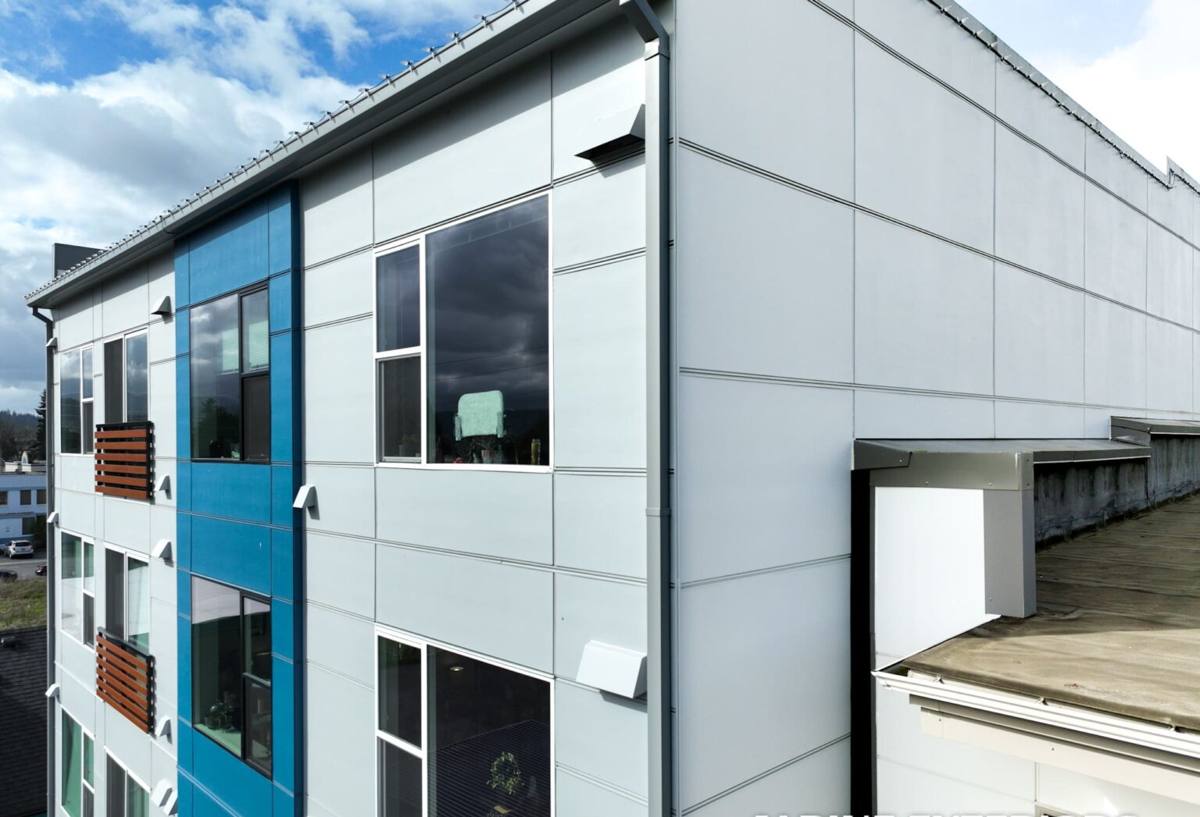
New-Construction vs. Replacement: Not the Same Job
A lot of homeowners assume "installing windows" is the same task whether the house is new or 30 years old. It isn't. New-construction windows have a nailing flange that gets integrated directly into the wall's water-resistive barrier before siding goes on. Replacement windows go into an existing opening with no flange, relying on the old frame and different flashing techniques. Using the wrong approach — or the wrong window type — for the stage of construction you're at is one of the most common ways a new build ends up with a hidden moisture problem.
Why This Distinction Matters in Fairhaven
Because the marine layer and driving rain here put real, sustained water pressure on exterior walls, a new-construction opening only performs as well as its weakest flashing detail. There's no siding or trim to hide a shortcut behind yet — which is exactly why this is the best possible stage to get it right.
What Fairhaven's Climate Actually Asks of a Window Install
Three regional factors shape how we approach every new-construction window opening here:
- Salt air: Airborne salt accelerates corrosion on unprotected fasteners, hardware, and some metal flashing — material and fastener choice matters more here than inland.
- Driving rain: Wind off the water pushes rain sideways and upward under sills and around trim, so gravity-only flashing details aren't enough — every opening needs a true drainage plane.
- Long moss season: Extended damp periods mean any organic debris or standing moisture at a sill or head flashing stays wet longer, giving mold and wood rot more time to take hold if drainage isn't clean.
None of this means new-construction windows in Fairhaven need to be exotic or expensive — it means the basic details (sill pan, flashing sequence, sealant placement) have to be done correctly and in the right order, every time.
What a Correct New-Construction Window Install Involves
The Sill Pan
Before a window ever sits in the opening, the rough sill needs a sloped, sealed pan that directs any water that gets past the window back outside the wall — not down into the framing. This is the single most important detail on a coastal build, and it's the one most often skipped or done poorly on rushed jobs.
Flashing Sequence
Flashing has to be layered in the correct order — sill pan first, then the window, then jamb flashing, then head flashing — always lapped so water sheds downward and outward, never into a seam. Done backward, even by one layer, water gets trapped instead of shed.
WRB Integration
The window's nailing flange has to be properly integrated into the house wrap or weather-resistive barrier with the right tape or flashing membrane, maintaining a continuous drainage plane from roof to foundation. A gap here is invisible once siding goes on — and it's exactly where wind-driven rain finds its way in.
Fastening and Shimming
Windows need to be shimmed plumb, level, and square, then fastened per the manufacturer's schedule — not just "close enough." An out-of-square frame stresses the sash, causes premature seal failure, and can make operable windows bind within a year or two.
Frame Material: What Holds Up Near the Water
We get asked often whether one frame material is simply "better" for a coastal Whatcom County build. The honest answer is that several materials perform well here — the right choice depends on your budget, your home's style, and how much upkeep you want to take on.
| Frame Material | Coastal Performance | Maintenance | Typical Cost Position |
|---|---|---|---|
| Vinyl | Good — won't corrode or rot, handles moisture well | Low — occasional cleaning | Most affordable |
| Fiberglass | Very good — dimensionally stable, resists warping | Low | Mid to upper range |
| Wood-clad | Good if detailing is correct, but exposed end grain and joints need extra care in wet climates | Moderate to higher — finish and seals need periodic attention | Upper range |
| Aluminum | Fair — strong and slim-profile, but bare aluminum can pit in salt air without a quality finish | Low to moderate depending on finish | Varies widely |
Whichever frame material you choose, we're honest about the trade-offs rather than pushing one product line. A wood-clad window can look great on a Fairhaven build, for example, but we'll tell you upfront it demands more attention to finish and joinery in a wet marine climate than vinyl or fiberglass does — that's a maintenance conversation worth having before you order, not after.
How We Handle New-Construction Window Installs
1. Coordinate With the Build Schedule
Windows go in after the WRB is up and before siding starts. We work with your builder or GC to hit that window (no pun intended) so framing, house wrap, and window install line up without delays that expose the structure to weather longer than necessary.
2. Verify Rough Openings
We check every rough opening against the window schedule before install day — size, square, and plumb — and flag discrepancies before they become install-day surprises.
3. Install Sill Pans and Flashing in Sequence
Sill pan, window, jamb flashing, head flashing, WRB integration — in that order, every opening, every time.
4. Shim, Square, and Fasten to Spec
Every window is shimmed and fastened per manufacturer requirements, then operation-tested before we move to the next opening.
5. Document the Details That Get Covered Up
Flashing and drainage details get buried under siding and trim within days. We photograph key steps as we go, so there's a record of what's behind the finish materials if it's ever needed later.
Mistakes We See on New Builds — and Avoid
- Skipping or improvising a sill pan instead of using a proper sloped, sealed pan
- Taping or flashing out of sequence so water gets trapped instead of shed downward
- Relying on caulk alone to do a flashing detail's job
- Installing windows before the WRB is properly lapped and sealed around the opening
- Rushing the schedule and fastening windows out of square to "make it work"
- Using fasteners or trim metal that aren't suited to salt-air exposure
Working With Your Builder or GC
Most of our new-construction window work happens as a subcontract on someone else's build schedule. We're used to fitting into that process — showing up when the WRB is ready, working around other trades, and communicating clearly if a rough opening or detail needs to be corrected before we can proceed. If you're an owner-builder managing the project yourself, we can walk you through what needs to be ready before install day so there's no downtime waiting on us, or on you.
Before You Hire: A Quick Checklist
- Ask what flashing sequence they use, in order — a contractor who can't answer specifically hasn't thought it through
- Confirm they'll install a proper sill pan on every opening, not just the exposed ones
- Ask how they integrate the window flange with your specific WRB product
- Get a clear answer on which frame materials they recommend for a marine climate, and why
- Check that they carry current liability insurance and will document work before it's covered by siding
- Ask how they coordinate scheduling with your framer and siding crew
Why a Local Crew Matters for This Job
New-construction window installation isn't a job you want a crew learning on your house. We work new builds throughout Ferndale and Whatcom County, including Fairhaven, so we already know what the marine layer, driving rain, and moss season do to a wall assembly over time — and we build the flashing and drainage details around that reality instead of a generic install checklist. That local experience is the difference between a window package that just looks finished on install day and one that's still keeping water out a decade from now.
If you're planning a new build in Fairhaven and want the window package handled correctly from rough opening to final seal, we're happy to walk the plans with you and give you a straightforward, no-pressure estimate. Use the form below to get started.