 Ferndale
 Why Kendall Homes Need a Different Approach to Windows
Kendall sits inland from Ferndale, tucked against the foothills with the Nooksack River nearby, and that location shapes what a window has to survive here. You get colder overnight temperatures than the coastal parts of Whatcom County, more standing moisture around foundations and low-lying yards, and a longer stretch of gray, wet months where windows rarely get a full day to dry out between rain events. Add in the valley's tendency to trap humidity, and you have a climate that's harder on window seals, frames, and glazing than the marketing brochures account for.
Homes in this area range from older farmhouses and ranch-style builds to newer construction going in as Kendall grows outward from Ferndale. Whatever the vintage, the pattern we see is consistent: windows that were fine when installed start failing at the seams first — not the glass. Condensation between panes, soft trim, and drafts around the frame are almost always an installation or sealing problem, not a product defect. That's the piece a lot of window replacements get wrong, and it's the piece we focus on.
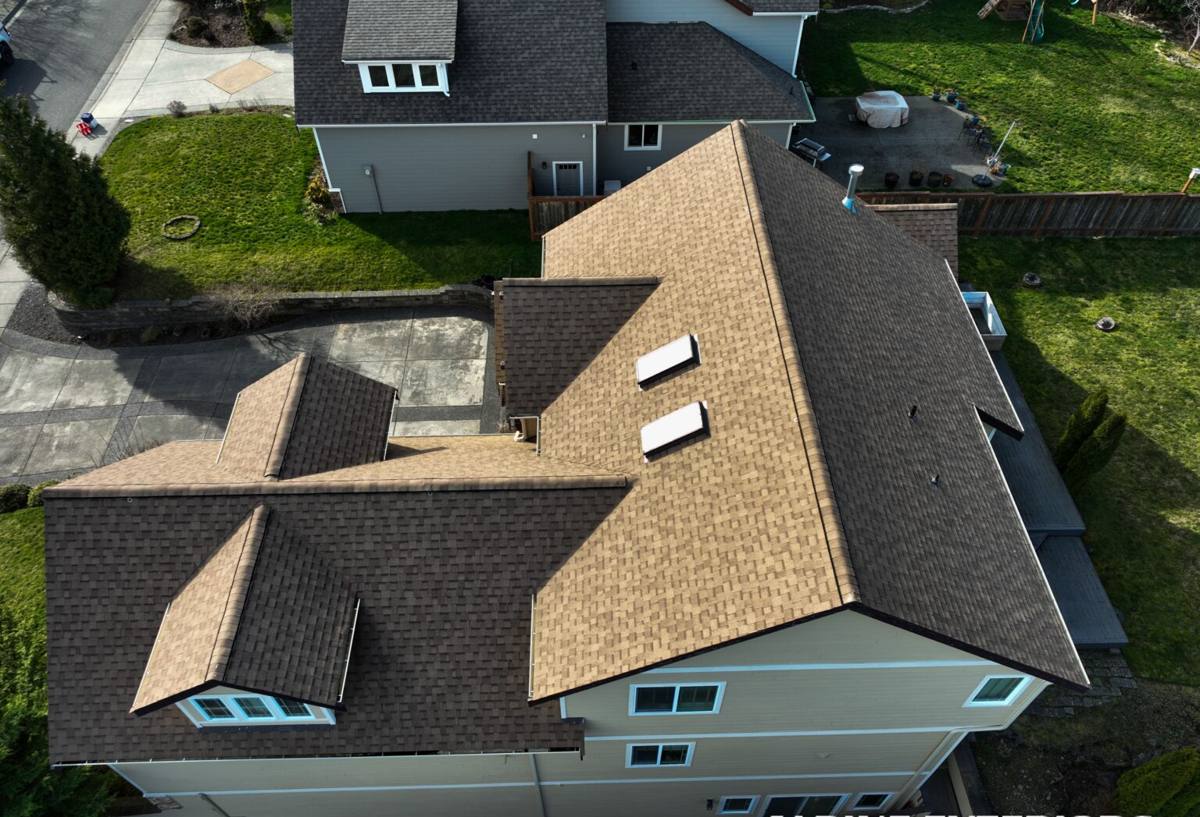
What the Local Climate Actually Does to a Window
Whatcom County's climate isn't extreme in the way a mountain town or a desert is extreme — it's relentless in a quieter way. Long moss season means constant low-grade moisture sitting against exterior surfaces for months at a time. Driving rain off the Salish Sea pushes water sideways into gaps that would stay dry in a straight-down rain. And even though Kendall is inland, salt-laden air still travels up the valley and slowly corrodes unprotected hardware, fasteners, and lesser window components over years.
The three failure points we see most
- Seal breakdown: Insulated glass units lose their gas fill and seal integrity faster when they're cycling through constant damp-to-dry conditions, especially if the original install didn't flash the opening correctly.
- Frame rot at the sill: Wood and composite frames that sit in standing moisture without a proper sloped sill or drainage path will soften and rot from the inside out, often before it's visible from outside.
- Hardware corrosion: Cheaper cranks, locks, and balances corrode faster in this climate, making windows hard to open or fully latch — which then lets in more moisture and cold air, compounding the problem.
What a Correct Energy-Efficient Window Job Involves
Energy efficiency in a window isn't just the glass package — it's the whole assembly working together. A high-end window installed poorly will underperform a modest window installed correctly, every time. Here's what we treat as non-negotiable on every job in Kendall:
Proper flashing and drainage
Every opening gets flashed so that any water that does get behind the siding or trim has a clear path back out, away from the framing. This is the single biggest factor in whether a window lasts 10 years or 30 in this climate, and it's also the step that's easiest for a rushed installer to shortcut.
Air sealing at the rough opening
Gaps between the window frame and the rough opening get sealed with the right materials — not just caulk smeared around the trim after the fact. Done right, this is what actually stops the draft you feel standing near a window on a cold, windy day.
Glazing matched to orientation and exposure
A window facing the prevailing wind and rain needs different consideration than one tucked under an eave on a sheltered wall. We look at each opening's exposure before recommending glass and frame specs, rather than applying one spec to the whole house.
Frame material suited to sustained moisture exposure
Given the moss season and general dampness here, we're selective about frame materials that hold up to sustained moisture contact without warping, swelling, or feeding rot. That's a maintenance and longevity call, not a brand preference — every material has trade-offs, and we'll walk you through them honestly for your specific exposure.
Signs Your Kendall Home's Windows Are Underperforming
- Visible fog or moisture trapped between the panes of glass
- Cold air noticeably moving near a closed window on a windy day
- Soft or discolored trim and sill material at the base of the window
- Windows that stick, won't latch fully, or take real effort to open and close
- Condensation forming on the interior glass or frame during cold mornings
- A noticeable jump in heating costs without any other explanation
- Visible moss or persistent green growth on the exterior trim around the window
Any one of these on its own might be minor. Two or three together usually means the window assembly — not just the glass — needs attention.
Our Process for a Kendall Window Project
- On-site assessment: We walk the exterior and interior of each window opening, checking for existing moisture damage, drafts, and how the current flashing and trim are holding up.
- Honest scope discussion: Not every window needs full replacement. Sometimes a repair or re-seal solves the problem; we'll tell you which situation you're in rather than defaulting to the bigger job.
- Product selection based on exposure: We match frame material and glazing to each wall's actual sun, wind, and rain exposure, not a single spec sheet for the whole house.
- Removal and opening prep: Old windows come out carefully to protect the surrounding siding and trim, and we inspect the framing underneath for hidden rot before anything new goes in.
- Flashing and air sealing: This is where most of the long-term performance is decided, and it's where we spend the most careful attention.
- Installation and finish work: Windows are set, shimmed level and square, and trimmed out to match your home's existing lines.
- Final walkthrough: We check operation, sealing, and finish with you before calling the job done.
Comparing Frame Options for This Climate
| Frame Type | Moisture Resistance | Maintenance Needs | Typical Fit for Kendall |
|---|---|---|---|
| Vinyl | Strong — won't rot or corrode | Low; occasional cleaning | Good all-around choice for most exposures |
| Fiberglass | Strong, very stable in temperature swings | Low | Solid option for exposed, weather-facing walls |
| Wood-clad | Depends heavily on cladding integrity and sealing | Higher — needs monitoring at seams and sills | Workable on sheltered walls with diligent upkeep |
| Aluminum | Prone to condensation without thermal breaks | Moderate | Only recommended with a proper thermal break in this climate |
None of these is universally "best" — the right call depends on the specific wall, its sun and rain exposure, and your budget and maintenance appetite. We'll give you a straight answer for your home rather than pushing one product line.
Cost Factors Homeowners Should Understand
Window pricing varies enough by size, glazing package, frame material, and number of openings that a single number isn't honest. What we can tell you is what actually moves the price:
| Factor | Why It Matters |
|---|---|
| Number and size of openings | More glass area and more units directly scale labor and material cost |
| Frame material | Vinyl tends to run less than fiberglass or wood-clad options |
| Glazing package | Double vs. triple pane, and any low-E or gas-fill upgrades, add cost but also long-term performance |
| Condition of the rough opening | Hidden rot or framing damage found during removal adds repair time before the new window can go in |
| Access and site conditions | Second-story or hard-to-reach openings take more time and equipment |
We'll give you a written estimate that breaks these out so you know what you're paying for, not a single bundled number.
Why It Matters That We Already Work in This Area
A crew that only occasionally works in Whatcom County will spec windows the way a catalog suggests. A crew that works Kendall and greater Ferndale regularly knows which walls take the worst of the driving rain, which older homes in the area tend to have hidden sill rot under old trim, and how much moss buildup is normal versus a sign of a bigger drainage problem. That local pattern recognition is what keeps a window job from becoming a callback two winters later.
We also know the practical side of working here — permitting expectations, typical construction types in the area, and how to sequence work around this region's wet season so materials aren't sitting exposed during installation.
Maintaining Your Windows After Installation
A correctly installed window still benefits from basic upkeep, especially in a climate that stays damp for months at a stretch:
- Clear debris and moss from tracks, sills, and weep holes at least once a year
- Check exterior caulking annually and touch up any cracked or separated sections
- Keep gutters and downspouts clear so water isn't sheeting down over window openings
- Operate hardware periodically through the year so cranks and locks don't seize
- Watch for early signs of trim discoloration and address it before it spreads
If you're ready to get a straight answer on what your windows actually need, we offer a free, no-pressure estimate — walk us through your home and we'll tell you honestly what's worth doing now and what can wait. Use the form below to get started.