 Ferndale
 Roofing on the Lummi Peninsula Takes a Different Kind of Beating
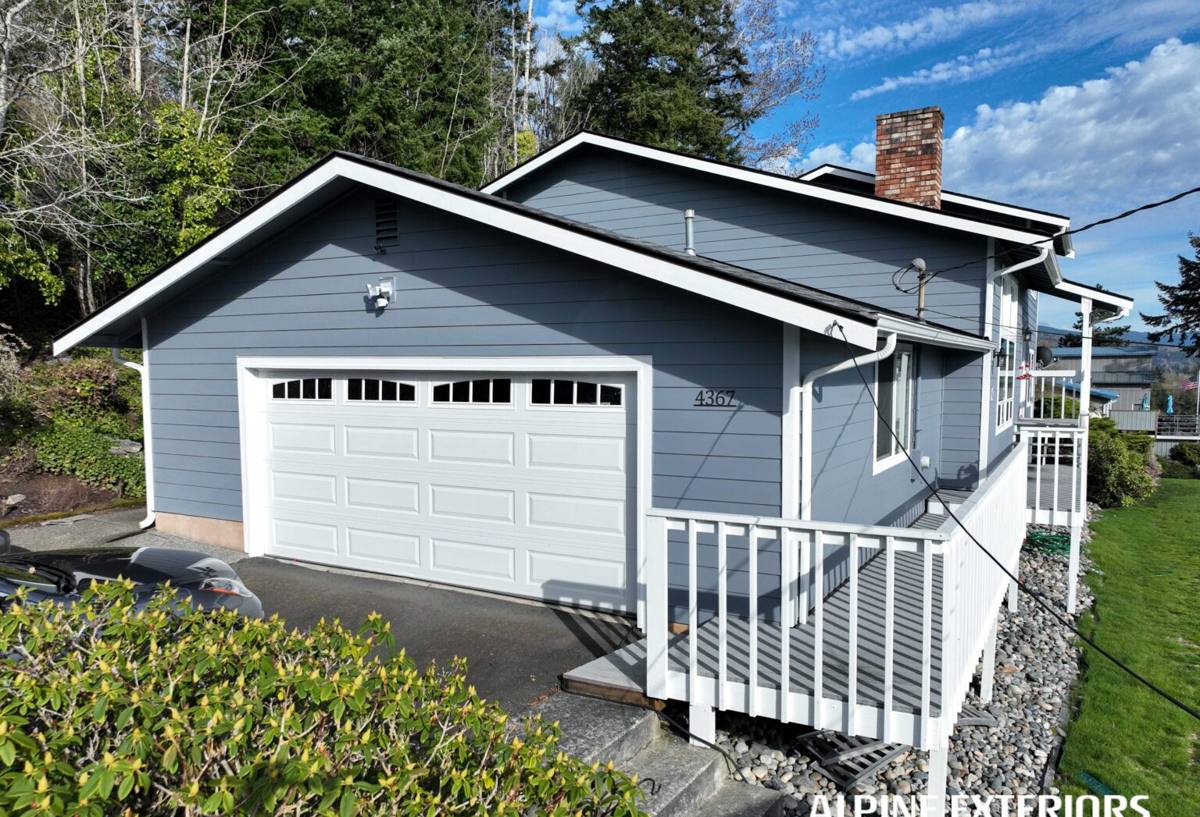
Homes in and around Lummi Nation sit close to the water, often under heavy tree cover, and squarely in the path of Whatcom County's fall and winter storm systems. That combination — salt-laden air, wind-driven rain, and long stretches of shade — wears on an asphalt shingle roof faster than it does on a home twenty miles inland. A shingle system that holds up fine in a drier, more open part of the county can show granule loss, curling, and moss growth years ahead of schedule out here.
This page is about one job: asphalt shingle roofing for homes in this specific area. Not a general roofing overview, but what actually matters when the roof in question is a few minutes from saltwater and shaded by conifers for most of the year.
What Salt Air, Driving Rain, and Shade Actually Do to a Shingle Roof
Three conditions show up together and repeatedly on roofs in this part of the county, and each one attacks the roof system differently.
Salt Air and Metal Fatigue
Salt in the air accelerates corrosion on anything metal — nail heads, flashing, vent stacks, and gutter hangers. Corroded fasteners lose their grip on shingles over time, and pitted flashing stops shedding water the way it's supposed to. This is a slow process, but it's constant, and it's part of why we spec corrosion-resistant fasteners and flashing on jobs this close to the water rather than treating every roof the same.
Wind-Driven Rain
Storms coming off the water don't just drop rain straight down — they push it sideways, under shingle edges and up against walls and valleys. A roof that's watertight in a light, vertical rain can still leak in a driving storm if the underlayment, valley work, and flashing weren't built with that wind direction in mind.
Shade and Standing Moisture
Tree cover keeps roofs damp longer after every rain, and in this climate that's most days for much of the year. Shingles that stay wet and shaded are exactly where moss and algae take hold, and once moss gets a foothold under shingle tabs it lifts them and lets water in underneath — which is a different, more serious problem than surface staining.
Choosing an Asphalt Shingle Built for This Climate
Not every asphalt shingle is a good fit for a shaded, coastal-influenced roof, and the difference isn't just cosmetic. We look at wind rating, algae resistance, and how the shingle handles repeated wet-dry cycling before we recommend a product for a home out here.
| Shingle Type | Typical Wind Rating | Algae Resistance | Best Fit for This Area | Relative Cost |
|---|---|---|---|---|
| Standard 3-tab | Lower | None unless specified | Budget re-roofs on less exposed slopes | Low |
| Architectural / laminate | Higher | Often available as an option | Most homes in this area | Mid |
| Algae-resistant architectural | Higher | Built in (copper/zinc granules) | Shaded, north-facing, or tree-heavy lots | Mid to High |
| Impact-rated architectural | Highest | Usually available | Exposed roofs facing frequent storm wind | High |
For most homes in Lummi Nation, we default to an architectural shingle with algae-resistant granules rather than a standard 3-tab. It costs more up front, but on a shaded, moisture-prone roof it holds its color and its warranty longer, which matters more here than it does on a roof that gets full sun and dries out fast.
What a Correct Installation Actually Involves
The shingle itself is only one piece. Most roof failures we get called out to inspect trace back to something under the shingles or around an edge, not the shingle brand itself.
Tear-Off vs. Overlay
We recommend a full tear-off rather than roofing over an old layer whenever the deck and budget allow it. Overlaying traps moisture between layers and hides deck damage — a real risk on a roof that's already dealing with more moisture exposure than average.
Underlayment and Ice-and-Water Protection
A synthetic underlayment goes down across the full deck, with self-adhered ice-and-water membrane at eaves, valleys, and around penetrations — the spots where wind-driven rain is most likely to find a way in. This is standard practice everywhere, but it's not optional here.
Flashing and Edge Detail
Step flashing at walls, proper valley metal, and correctly lapped drip edge keep water moving off the roof instead of behind it. Because we also do siding work, we pay close attention to how the roof edge meets the wall system — that transition is a common leak point on homes with any amount of tree cover and driving rain.
Nailing Pattern
Shingles are only rated for their stated wind speed if they're nailed exactly to the manufacturer's pattern and nail count. We follow the shingle manufacturer's spec on every job, not a shortcut version, because that's what keeps the warranty valid if a shingle ever does blow off in a storm.
Ventilation: The Part That Determines How Long Your Roof Lasts
A roof with poor attic ventilation traps warm, moist air against the underside of the deck. Over a few years, that trapped moisture shortens shingle life from below at the same time moss and algae are working on it from above. Balanced ventilation — enough intake at the soffits and enough exhaust at the ridge — lets that moisture escape instead of condensing.
On older homes in this area we often find ventilation that was adequate when the house was built but was later blocked by insulation, paint, or additions. Part of a proper re-roof is checking that intake and exhaust are actually balanced, not just present.
Moss, Algae, and Keeping a Roof Clean Long-Term
Given the tree cover and moisture around Lummi Nation, moss and algae aren't a matter of if but when and how much. A few things make a real difference in how long a roof stays clean:
- Algae-resistant shingles with copper or zinc granules built into the product, not applied after the fact
- Zinc or copper strips installed near the ridge, which release trace metal that discourages regrowth every time it rains
- Keeping nearby branches trimmed back so more of the roof sees sun and airflow
- Clearing gutters and valleys of needles and debris so water doesn't pool against the shingle edge
- Soft washing rather than pressure washing — a pressure washer strips granules and shortens shingle life faster than the moss ever would
We treat moss prevention as part of the roofing job, not an afterthought, because on a shaded coastal lot the roof that ignores it will need attention again in a few years regardless of how well it was installed.
Signs Your Roof Needs Attention
Most roofing problems in this climate develop slowly, and homeowners usually notice them from the ground before they ever get on a ladder. Worth checking for:
- Granules collecting in gutters or at downspout outlets
- Shingles that look cupped, curled, or cracked, especially on south- or west-facing slopes
- Dark streaking or thick moss, particularly on shaded, north-facing sections
- Rusty or lifted flashing around chimneys, vents, or where the roof meets a wall
- Soft spots or sagging when walking the roofline visually from the ground
- Water stains, daylight, or musty smell in the attic
- A roof approaching or past the age where its warranty is nearing expiration
Repair, Recover, or Replace — and How We Decide
Not every roofing problem needs a full replacement. When we come out for an estimate, we're looking at the age of the existing roof, how much of the deck is sound, how widespread the damage or moss coverage is, and whether the underlayment and flashing underneath are still doing their job.
A localized repair makes sense when the roof is younger and the damage is limited to one area — a damaged valley, a section lifted in a windstorm, flashing that's failed around one penetration. A full replacement is the right call when granule loss is widespread, the shingles are past their rated life, or we find soft decking once we start pulling material. We'll walk you through what we find and why we're recommending one path over the other — we don't upsell a full replacement when a repair will hold.
Our Process, Start to Finish
- On-site inspection of the roof, attic ventilation, and flashing details
- A written estimate that spells out material, scope, and timeline — no pressure to decide on the spot
- Scheduling that accounts for our storm season, so tear-off and dry-in happen the same day whenever possible
- Tear-off, deck inspection, underlayment, flashing, and shingle installation to manufacturer spec
- Site cleanup, including a magnetic nail sweep of the yard and driveway
- A final walkthrough so you know exactly what was done and what to watch for going forward
Why a Crew That Already Works in Lummi Nation Matters
A roofing crew that regularly works this stretch of Whatcom County already knows which slopes hold moss longest, how far wind-driven rain gets pushed on an exposed gable, and which flashing details actually need upgrading versus which ones just need to be done right the first time. That's not something you get from a crew that mostly works inland and treats every roof the same. It also means faster response if a storm damages your roof and you need someone who already knows the area, not someone learning the local conditions on your dime.
If your roof is showing moss, granule loss, or you just want an honest read on where it stands, we're glad to take a look. Fill out the form below for a free, no-pressure estimate.