 Ferndale
 A Different Kind of Job Site
Point Roberts sits on its own peninsula, cut off by land from the rest of the country and reachable by road only through Canada. That geography matters for more than commuting — it puts homes there in constant contact with open water on multiple sides, with none of the buffering that inland Whatcom County properties get from tree cover, hills, or distance from the shoreline. A siding job here isn't just a Ferndale job with a longer drive. The material, the detailing, and the logistics all need to account for a marine environment that's harder on a home's exterior than almost anywhere else in the county.
This page is about one product, in one place: James Hardie fiber cement siding, installed correctly on Point Roberts homes. We're not going to rehash a generic siding overview — we're going to talk about what the salt air, the rain, and the moss actually do to a house out there, and what it takes to build an exterior that holds up against all three at once.
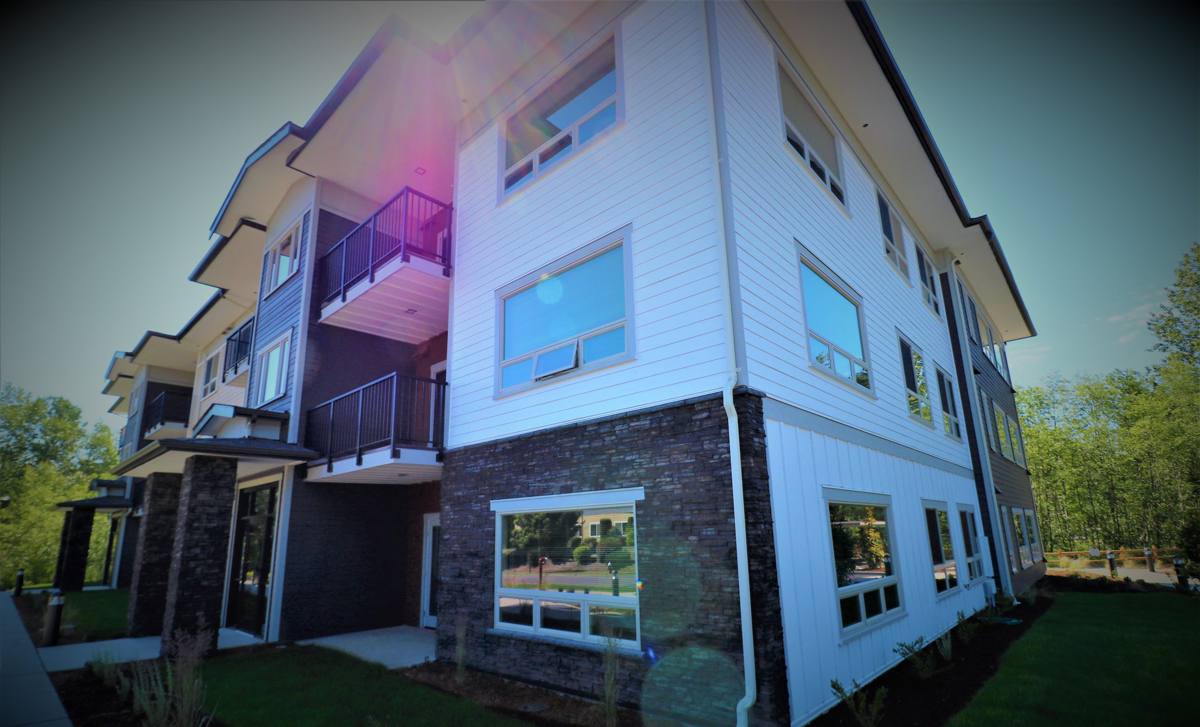
What Point Roberts Weather Does to a Home's Exterior
Salt Air and Slow Corrosion
Airborne salt doesn't announce itself the way a storm does. It settles on siding, trim, and fasteners day after day, and over years it accelerates corrosion on anything metal that isn't rated for coastal exposure — nail heads, flashing, hose bibs, light fixtures. On siding specifically, salt film left to sit can also dull factory finishes faster than inland exposure would, which is why finish quality and the hardware behind it both matter more here than they would on a home twenty miles inland.
Driving Rain and Water Management
Wind-driven rain off open water doesn't fall straight down — it drives sideways into laps, trim joints, and butt seams. A siding system that's fine in a sheltered yard can leak on an exposed Point Roberts elevation if the water management details (flashing, lap gaps, sealant at penetrations) aren't built for wind-driven conditions specifically. This is less about the siding material itself and more about how it's installed, which we'll get into below.
A Long Moss Season
Whatcom County's damp, mild winters already favor moss, and Point Roberts' marine humidity stretches that season further. Moss doesn't just look bad — it holds moisture against whatever it's growing on, and on north-facing walls and shaded elevations it can sit there for months. Siding material that absorbs and holds moisture underneath a moss mat is siding that's slowly setting itself up for rot, swelling, or paint failure, even if the surface still looks fine from the street.
Why James Hardie Is the Only Product We Install Here
We standardized on James Hardie fiber cement for every home we side, and Point Roberts is one of the clearest examples of why. Hardie's engineered lineup and factory-applied finish are built to handle exactly the combination of stresses this location produces:
- Non-combustible core — fiber cement doesn't feed a fire the way wood-based or foam-backed products can, which matters for insurance and long-term peace of mind on any coastal property.
- ColorPlus Technology — a factory-baked finish that resists fading and holds up against UV and salt exposure far better than field-applied paint, which tends to chalk and fail faster in marine air.
- HZ5 engineered formulation — Hardie makes climate-specific versions of its siding, and the HZ5 line used in the Pacific Northwest is engineered for freeze-thaw cycling and sustained moisture exposure, not just generic weather resistance.
- Dimensional stability — fiber cement doesn't swell, cup, or absorb water the way wood-based sidings can, which is exactly the failure mode moss and driving rain are most likely to trigger.
- A transferable warranty — one that's backed by the manufacturer, not just our own workmanship guarantee, which matters if a home changes hands.
None of that is marketing language — it's the specific reason we refuse to install vinyl, LP SmartSide, or other fiber cement alternatives on any home we work on, Point Roberts included. The trade-offs on those products (moisture sensitivity, field-finish maintenance, warranty structure) are the same trade-offs that fail fastest in this exact climate.
What a Correct Installation Actually Involves
Hardie siding performs the way it's supposed to only when it's installed to the manufacturer's specification. In a high-exposure location like Point Roberts, the margin for error is smaller than it would be on a sheltered inland lot. Here's where jobs typically succeed or fail:
| Installation Detail | What Correct Work Looks Like | What Happens When It's Skipped |
|---|---|---|
| Flashing at butt joints and penetrations | Proper flashing behind every joint and penetration, lapped to shed water downward | Wind-driven rain works behind the siding and rots sheathing before it's ever visible |
| Fastener type and placement | Corrosion-resistant fasteners, correct spacing and depth per Hardie's fastening schedule | Fasteners corrode and back out, or over-driven nails crack the board and create entry points for water |
| Clearance and gaps | Proper clearance from grade, roofline, and decks, with expansion gaps at trim | Trapped moisture at the base of walls, accelerated rot and paint failure |
| Caulking and sealant | Sealant only where Hardie specifies, using a product rated for the exposure | Over-caulking traps moisture inside joints instead of letting it drain and dry |
| Field cuts and touch-up | Factory edges preserved where possible; cut edges sealed with Hardie-approved touch-up product | Raw cut edges wick moisture and fail years before the rest of the board |
Every one of those details is more forgiving in a sheltered location. On Point Roberts, where wind-driven rain and salt exposure are a given, they're not optional refinements — they're the difference between siding that lasts its full service life and siding that needs attention in five to seven years.
Why Working This Peninsula Takes Local Experience
Point Roberts' isolation cuts both ways. It's what makes the marine exposure so pronounced, and it's also what makes the job itself logistically different from a typical Whatcom County project. Material deliveries, crew scheduling, and permitting all have to account for the fact that the only road access runs through Canada. A crew that hasn't worked there before ends up learning that on the client's clock — misjudging how much material to stage on a single trip, or how border timing affects a project schedule.
A crew that already works Point Roberts regularly has that logistics problem solved before the first board goes up: material is staged efficiently, trips are planned around border crossing realities, and the permitting process with the county is already familiar. That translates directly into fewer surprises and a tighter timeline for the homeowner.
Living With Salt Air and Moss: Maintenance That Actually Helps
Correctly installed Hardie siding is low-maintenance, not no-maintenance — especially in this environment. A short list of habits goes a long way toward protecting the investment:
- Rinse siding with a garden hose (not a pressure washer aimed into the laps) a couple of times a year to clear salt film buildup
- Keep gutters and downspouts clear so roof runoff isn't sheeting down over siding it wasn't meant to handle
- Trim back vegetation and tree cover near shaded or north-facing walls to cut down on the conditions moss needs
- Check caulk lines and trim joints annually, especially after winter storm season, and have any cracked sealant replaced promptly
- Address moss with a soft wash rather than scraping or pressure-washing, which can damage the factory finish
- Have touch-up paint applied to any cut edges or fastener heads that get exposed during other exterior work
Cost Factors Specific to a Point Roberts Project
Every siding estimate depends on the size and complexity of the home, but a few factors show up more often on Point Roberts jobs specifically than they do elsewhere in the service area:
- Existing siding removal — older homes on the peninsula sometimes have layered or aging siding that needs full removal and sheathing inspection before new material goes on
- Exposure-driven detailing — elevations facing open water often need extra attention to flashing and trim, which adds labor time relative to a sheltered wall of the same size
- Logistics and staging — material and crew trips are planned differently here than on a typical in-town job, which a crew experienced with the peninsula accounts for up front rather than discovering mid-project
- Color and trim selection — ColorPlus finishes and trim packages vary in cost, and a marine-exposed home benefits from finish choices suited to salt air specifically
We'll walk through all of this in a real, home-specific estimate rather than a rough number — a 2,000-square-foot Point Roberts home facing open water and a similarly sized home tucked away from the shoreline can have meaningfully different scopes of work even before finish selections come into play.
Why the Right Crew Matters More Here Than Most Places
Point Roberts homeowners are often used to service providers treating the peninsula as an afterthought — an extra trip, an unfamiliar permitting process, a job squeezed in at the end of a route. Siding isn't a job where that approach works well, because the consequences of a rushed or generic installation show up as moisture damage that's expensive to fix and easy to have prevented. A crew that treats Point Roberts as a regular part of its Whatcom County service area, not a special case, is going to catch the details — flashing, fastener choice, clearance, finish selection — that this climate actually demands.
If you're planning a siding project on Point Roberts, we're happy to take a look at your home and put together a straightforward, no-pressure estimate. There's a form below to get that conversation started.