 Ferndale
 Metal Roofing Built for Sumas' Weather
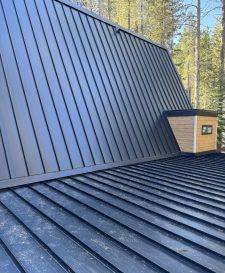
Sumas sits out toward the eastern edge of Whatcom County, close enough to the Canadian border that the weather here has its own personality compared to the rest of the county. Homeowners still deal with the same long, wet Pacific Northwest winters as everyone else in the area, but the valley setting adds its own wrinkles: heavier standing moisture after storms, shaded tree lines that hold onto dampness, and wind patterns that behave differently than they do closer to the water. A roof that just barely gets by in a milder spot can fail early out here. Metal roofing, installed correctly, is one of the most reliable answers to that combination of rain, moss, and wind — but "installed correctly" is doing a lot of work in that sentence, and it's where most of the problems we get called out to fix actually start.
This page is about metal roofing specifically for homes in and around Sumas — what the climate demands, what a proper installation looks like, and how we approach the job when we're out there.
What Sumas' Climate Does to a Roof
Driving Rain and Valley Moisture
Whatcom County gets a lot of rain, and in the Sumas area that rain often arrives sideways during fall and winter storms. Driving rain finds every weak seam, every under-fastened lap, and every spot where flashing was cut short to save time. On a metal roof, the seams and flashing details matter more than the panels themselves — the panel is just sheet metal, but the seams are what actually keep water out. When those details are done right, a metal roof sheds wind-driven rain about as well as any roofing material available. When they're not, water gets pushed backward under laps that were never meant to handle that kind of pressure.
Moss and Shade
Like most of Whatcom County, Sumas has plenty of tree cover and enough overcast, damp days each year to give moss a long growing season. Moss is mostly a shingle and shake problem, but it's not entirely absent from metal roofs — it can still take hold in valleys, around poorly flashed penetrations, or anywhere debris collects and holds moisture against the panel. A metal roof with clean drainage paths and no debris traps is much less hospitable to moss than one with tucked-away corners where needles and leaves pile up.
Wind Through the Sumas Gap
Sumas' location near the border puts it close to a low point in the terrain that channels cold air and wind down from the north during winter weather events. Homes here can see gustier, more sustained wind than spots just a few miles away that are more sheltered. That matters for metal roofing because wind uplift resistance is a function of fastening pattern, clip spacing, and panel type — not just the fact that it's metal. A system rated for one wind exposure and installed as if it were somewhere calmer is a roof that's going to get tested the first hard blow that comes through.
What a Correct Metal Roof Installation Actually Involves
A metal roof is only as good as what's underneath it and around its edges. The visible panels get all the attention, but the details that actually determine whether the roof performs for decades are mostly hidden once the job is done.
Underlayment
In a climate this wet, we don't treat underlayment as an afterthought. A high-temperature, self-adhered or synthetic underlayment rated for use under metal gives the roof a real second line of defense if wind or ice ever forces water past the panel seams — and it protects the deck during the install itself, which matters on a job that can span a couple of rainy days.
Fastening and Seams
Whether a panel is fastened through the face or hidden under a standing seam, the fastening pattern needs to match the wind exposure of the specific home, not a generic minimum. Seams need to be formed to the manufacturer's actual specification — not just close enough to look right from the ground.
Flashing and Penetrations
Valleys, chimneys, vent pipes, and wall transitions are where almost every roof leak actually originates, metal or otherwise. Custom-fabricated flashing that's properly lapped with the underlayment and panels — not caulked-over shortcuts — is what keeps those spots dry for the life of the roof.
Ventilation
Trapped moisture under a metal roof causes condensation problems that have nothing to do with the roof leaking from outside. Proper intake and exhaust ventilation keeps warm, moist attic air from condensing on the underside of cold metal panels during our long wet season.
Choosing the Right Metal Roofing System
Not every metal roofing product fits every home or budget. Here's how the common options compare for a house in this climate:
| System | Typical Lifespan | Maintenance | Best Fit |
|---|---|---|---|
| Standing seam (concealed fasteners) | 40–60+ years | Very low | Homes prioritizing longevity and clean lines, higher wind exposure |
| Exposed-fastener panels | 25–40 years | Moderate — fastener washers age and need eventual attention | Budget-conscious projects, outbuildings, shops |
| Metal shingles/shakes | 30–50 years | Low | Homeowners wanting a traditional look with metal's durability |
Cost differences between these systems mainly come down to labor time and fastener/seam complexity, not just material price. Standing seam takes longer to install correctly because every seam is formed and locked on site, which is reflected in the bid — but it also removes the exposed fasteners that are the most common long-term maintenance item on the other systems. We'll walk through the honest trade-offs for your specific roof rather than steering everyone toward the same product.
Our Process, Start to Finish
- On-site assessment. We look at the existing roof structure, decking condition, ventilation, and any problem areas before quoting anything.
- System selection. We talk through panel type, gauge, and finish based on your home, budget, and how long you want this roof to last.
- Deck prep and underlayment. Any soft or damaged decking gets addressed before anything else goes down, followed by underlayment appropriate for our climate.
- Flashing fabrication. Custom flashing is formed for your roof's actual valleys, walls, and penetrations rather than pulled from a generic stock piece.
- Panel installation. Panels go on with fastening or seaming specific to the wind exposure of your site.
- Final inspection and walkthrough. We check every seam, flashing point, and penetration, and walk the finished roof with you before we call it done.
Mistakes We See on Older or Poorly Installed Metal Roofs
A fair amount of our metal roofing work in the Sumas area is repair or replacement of an install that didn't hold up. The recurring issues are consistent:
- Exposed fasteners installed without proper washers, or over-driven and stripped, leading to slow leaks around every screw
- Flashing that was caulked instead of properly lapped, which fails as soon as the caulk ages and cracks
- Panels fastened with a spacing that wasn't matched to actual wind exposure, leading to loosening or panel lift in storms
- No underlayment, or underlayment not rated for high heat under metal, degrading faster than the roof above it
- Debris and moss buildup in valleys that were never given a clear path for water to drain
None of these are flaws in metal as a material — they're installation shortcuts. That's the gap a locally experienced crew is meant to close.
Maintaining a Metal Roof in Whatcom County
Metal roofing is genuinely low-maintenance compared to most alternatives, but "low-maintenance" isn't "no-maintenance," especially with our tree cover and rainfall. A simple annual routine goes a long way:
- Clear needles, leaves, and debris out of valleys and off any flat transitions before the fall rains set in
- Check gutters and downspouts so water actually leaves the roof instead of backing up under the drip edge
- Look at exposed fasteners (if your system has them) for washer wear or loosening every year or two
- Watch for moss or algae starting in shaded valleys and address it early rather than letting it establish
- Have flashing around chimneys, vents, and wall transitions checked periodically, since these are the highest-risk leak points on any roof
Why Hire a Crew That Already Works in Sumas
A roofing crew that mostly works closer to the water is used to a certain kind of exposure. Sumas' wind patterns, valley moisture, and shaded lots are different enough that a generic approach can miss the details that matter here. We're on siding and roofing projects around Sumas and the rest of Whatcom County regularly, which means we're not guessing at wind exposure or ventilation needs — we've seen what actually happens to roofs in this specific area over time, both the ones that were done right and the ones we've had to fix.
If you're weighing a metal roof for your Sumas home, we're happy to come take a look and give you a straight, no-pressure estimate — including an honest read on whether metal is the right call for your specific roof and budget. There's a form below to get that started.