 Ferndale
 Windows Built for Custer's Weather, Not Just Installed
Custer sits in the open, rural stretch of Whatcom County north of Ferndale, where homes take weather head-on with less tree cover and fewer neighboring structures to break the wind than you'd find in town. That exposure matters more than most homeowners realize when it comes to windows. A window that's simply "put in" can look fine for a year or two and still let water, wind, and moisture in behind the trim where you can't see it. A window that's installed correctly — flashed, sealed, and fitted to the actual conditions of a Custer property — is a different job entirely, and it's the only kind worth paying for.
Salt air, driving rain, and a long moss season all take their toll out here. None of those are dramatic events on their own, but they're constant, and constant is what wears out window seals, hardware, and framing over the years. Getting the installation right the first time is cheaper than fixing water damage later, and it's the difference between a window that performs for decades and one that starts failing quietly after five or six years.
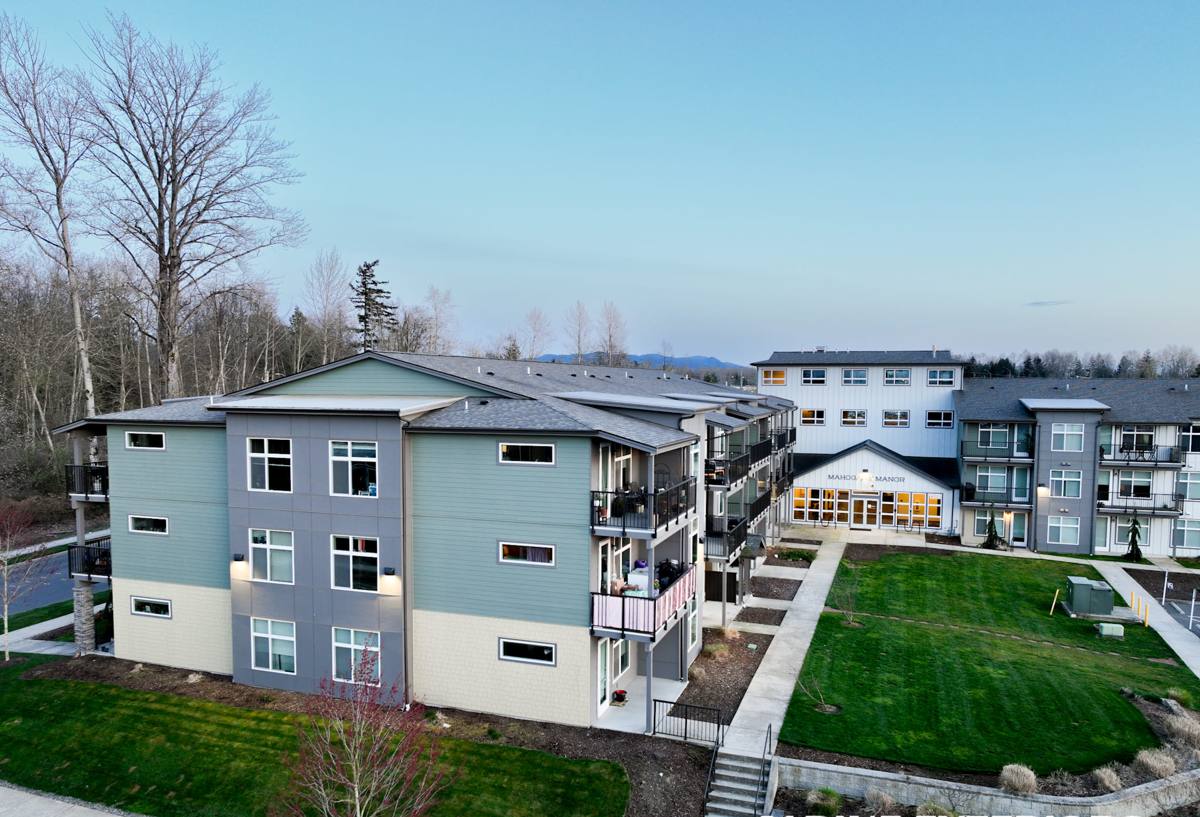
What Whatcom County Weather Does to Windows Over Time
Wind-Driven Rain and Water Intrusion
Rain that falls straight down is easy for any window to shed. Rain that's pushed sideways by wind — which is the normal pattern for much of the year in this part of Whatcom County — finds every gap in a poor installation. It gets forced up under sills and behind trim, not just against the glass. This is why the flashing and sealing details around a window matter as much as the window unit itself.
Salt Air and Hardware Corrosion
Homes in and around Custer that catch salt-laden air off the water see faster wear on window hardware — hinges, locks, balances, and screws — than homes further inland. Cheaper hardware and low-grade fasteners corrode noticeably faster here, which is one reason we don't cut corners on the small parts that don't show up in a sales brochure.
Moss, Mildew, and Trapped Moisture
Whatcom County's long wet season keeps humidity and moss growth high for much of the year. Wood sills, trim, and window frames that stay damp because water is trapped behind them — rather than shed away from the wall — are what feed rot and mildew. Good installation is fundamentally about giving water a way out, not just keeping it from getting in.
Signs a Custer Home Is Overdue for New Windows
Most window failure is gradual, so it helps to know what to actually look for before it becomes a bigger repair:
- Fogging or a permanent haze between the panes of a double-pane window (the seal has failed)
- Soft or discolored wood trim or sill around the window frame
- Drafts you can feel near the window even when it's fully closed and latched
- Windows that are difficult to open, close, or lock, or that have started to stick
- Visible gaps, cracked caulk, or daylight showing around the frame from inside
- A noticeable rise in heating costs without any other explanation
- Paint or finish bubbling or peeling on the interior sill or exterior trim
What a Correct Window Installation Actually Involves
Removing the Old Window Without Damaging the Opening
The rough opening around an existing window often has hidden problems — old caulk failures, minor rot, or framing that's shifted slightly over the years. A careful removal lets us actually see what's there before a new window goes in, instead of covering up a problem and hoping it doesn't resurface.
Flashing, Sill Pans, and the Weather-Resistive Barrier
This is the part of the job that's invisible once it's finished but determines how the window performs for the next twenty or thirty years. A proper installation includes a sloped sill pan so any water that does get past the window drains back out, flashing tape or membrane integrated correctly with the house wrap or weather-resistive barrier, and flashing that laps in the right order — always shedding water downward and outward, never trapping it.
Insulation, Sealant, and Interior Finish
The gap between the window frame and the rough opening needs to be insulated without overpacking it, which can bow the frame and cause operating problems. Exterior sealant needs to be applied at the right joints — not everywhere, since sealing the wrong spot can trap moisture instead of releasing it. The interior finish work should leave a clean, tight reveal with no visible gaps.
Choosing the Right Window for a Custer Home
There's no single "best" window material — the right choice depends on the home's age, exposure, and what the owner wants to maintain over time. Here's how the common options compare for a property in this climate:
| Material | Moisture Performance | Maintenance | Typical Cost Range |
|---|---|---|---|
| Vinyl | Good — won't rot, handles moisture well | Low; occasional cleaning | Lower |
| Fiberglass | Excellent — very stable, resists warping | Low | Mid to upper |
| Wood-Clad | Good on the exterior clad side; interior wood needs care | Higher; interior finish upkeep | Upper |
| Aluminum | Prone to condensation without thermal breaks | Moderate; watch for corrosion near salt air | Varies |
For most Custer homes dealing with driving rain and salt air, we steer clients toward vinyl or fiberglass for the exterior-facing performance and lower long-term maintenance. Wood-clad windows still have a place where the look matters most to the homeowner, but we're upfront that they come with more upkeep in this climate — that's a maintenance trade-off, not a defect, and it's worth knowing before you commit.
What Affects the Cost of Window Installation
Every home is different, but the same handful of factors drive most of the cost variation we see on Custer jobs:
| Factor | Why It Matters |
|---|---|
| Number and size of windows | More glass area and more openings mean more material and labor |
| Full-frame vs. retrofit (pocket) install | Full-frame replacement addresses hidden framing issues but takes longer |
| Existing damage found at removal | Rotted framing or sheathing found mid-job needs repair before the new window goes in |
| Story height and accessibility | Second-story or hard-to-reach windows require more setup and time |
| Material selection | Vinyl, fiberglass, and wood-clad windows sit at different price points |
| Trim and siding coordination | Matching new trim to existing siding adds a step but avoids a patchwork look |
We give a real, itemized number after we've actually looked at the openings — not a phone estimate — because the biggest cost swings usually come from what's found once the old window comes out, not from the window itself.
Our Window Installation Process
- On-site assessment. We look at every window opening, note the home's exposure, and check for existing moisture or framing issues.
- Measurement and product selection. We measure precisely and walk through material and style options based on your home and budget.
- Scheduling around the weather. Given how much rain this area gets, we plan installs for workable weather windows and keep openings protected if conditions turn.
- Careful removal and opening inspection. Old windows come out cleanly, and we address any rot or damage we find before moving forward.
- Installation, flashing, and sealing. The window is set, shimmed level and square, and integrated with proper flashing and sill pan drainage.
- Insulation, trim, and cleanup. Interior and exterior finish work is completed and the site is left clean.
- Final walkthrough. We test every window with you before we consider the job done.
Why Hire a Crew That Already Works in Custer
A crew that regularly works Whatcom County properties already understands the framing quirks common in this area's homes, knows how local weather patterns affect scheduling, and isn't learning on your project. That familiarity shows up in small decisions — how flashing is lapped, which sealant holds up to salt air, when it's worth waiting a day for better weather rather than sealing in moisture. It also means faster response if something needs a follow-up look after the first hard rain of the season puts a new install to the test.
Because window and siding work overlap so directly — trim, flashing, and weather barriers all tie into the same wall assembly — there's a real advantage to hiring a contractor who handles both rather than coordinating between separate crews who don't talk to each other about how the pieces fit together.
Get a Straight Answer on Your Windows
If you're dealing with drafts, fogged glass, or windows that just don't feel right anymore, it's worth having someone look before winter's driving rain finds every weak spot. We'll walk the property, tell you honestly what needs attention and what can wait, and put together a clear, no-pressure estimate — just fill out the form below to get started.