 Ferndale
 Why Siding Repair Looks Different This Close to the Water
Homes in the Bellingham area sit in a tough spot for exterior siding: close enough to Bellingham Bay and the Salish Sea to catch salt-laden air, exposed to long stretches of wind-driven winter rain, and shaded enough by the region's tree cover that moss and algae get a real foothold on north- and west-facing walls. None of that is dramatic on its own. What it does is quietly shorten the life of siding that isn't built for it, and it turns small, ignorable problems into bigger ones faster than homeowners expect. A repair call in this part of Whatcom County is rarely about one dramatic failure — it's usually about catching a slow-moving problem before it becomes a wall replacement.
That's the lens we bring to every siding repair job near Bellingham: understand what the climate has already done to the wall, not just what's visible on the surface.
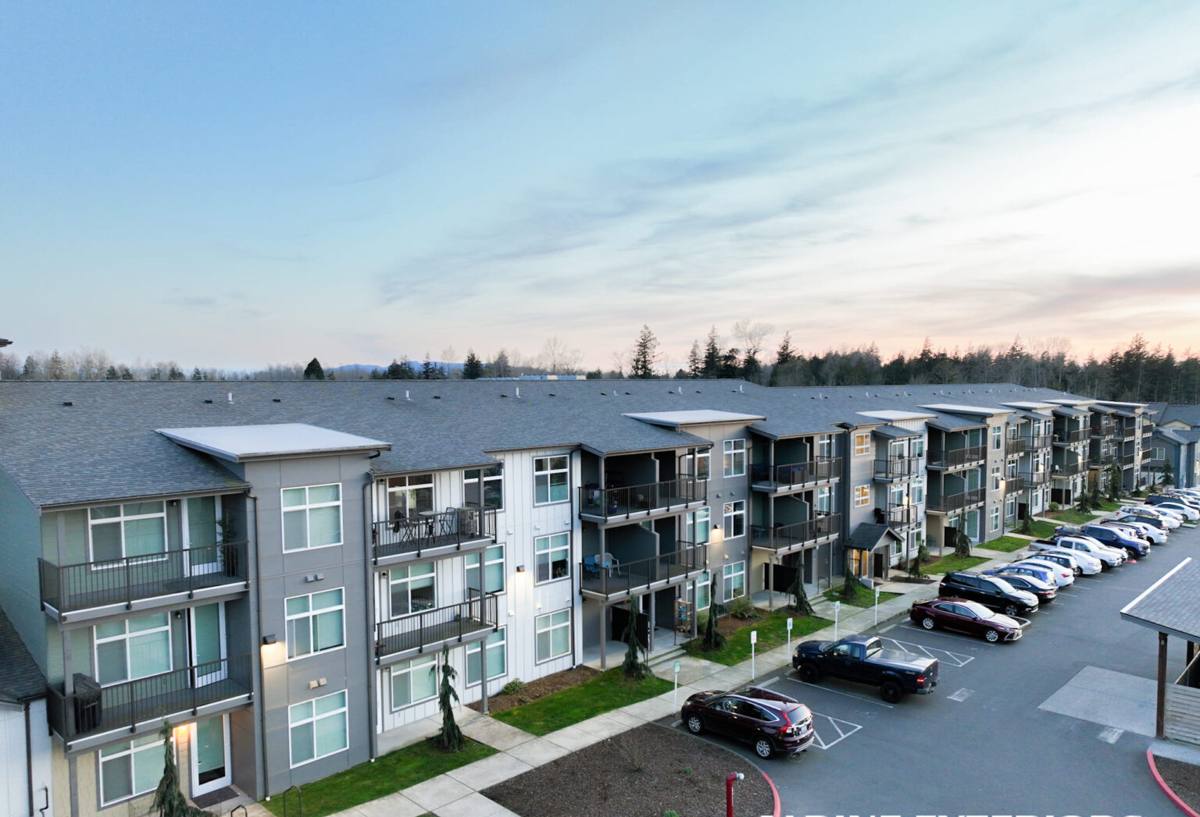
What Salt Air, Rain, and Moss Actually Do to Siding
Salt Air
Even a few miles inland from the bay, airborne salt settles on exterior surfaces and accelerates corrosion of fasteners, flashing, and any exposed metal trim. On siding materials with painted or primed wood substrates, salt exposure also speeds up moisture uptake at seams and cut edges, which is where paint failure and rot typically start first.
Driving Rain
Whatcom County's rain doesn't just fall — a good share of the year it comes in sideways on wind gusts off the water. That matters because siding is a system designed to shed water downward, not resist it being pushed sideways or upward under laps and around penetrations. Driving rain finds the gaps a calm rain never would: under-caulked trim joints, loose butt joints, and panels with degraded house wrap behind them.
Moss Season
Shaded, north-facing, and low-airflow wall sections here can stay damp for weeks at a stretch during the wetter months. Moss and algae don't just look bad — they hold moisture against the siding surface far longer than an exposed, sun-dried wall would, and that constant dampness is what actually damages the material underneath, especially at seams and butt joints.
Signs a Bellingham-Area Home Needs Siding Repair, Not Just a Wash
- Soft or spongy spots when pressed, especially near the bottom courses or below windows
- Visible gaps, cracks, or separation at panel seams and corner trim
- Paint that's bubbling, peeling, or chalking heavily in patches rather than evenly
- Persistent dark streaking or moss growth that returns quickly after cleaning
- Staining or bubbling on interior walls near exterior corners — a sign water has already gotten past the siding
- Fastener heads showing rust bleed or backing out of the surface
- Warped, bowed, or delaminating panels, particularly on older wood-based products
Any one of these on its own might be cosmetic. Several together, or any sign of moisture reaching the wall sheathing, means it's time for an actual inspection rather than a pressure wash and paint touch-up.
What a Correct Siding Repair Involves
A repair that only addresses what's visible from the ground usually fails again within a season or two, especially in this climate. A repair done right starts with finding out why that section failed in the first place, not just patching over the symptom.
1. Diagnose the Cause
Failed caulking, missing or damaged flashing, poor original installation, and trapped moisture behind the panel are the most common root causes we find on Whatcom County homes. Swapping a cracked panel without fixing the flashing or drainage behind it just buys a year or two before the same spot fails again.
2. Check What's Behind the Siding
Once panels are pulled back, we look at the house wrap or building paper, the sheathing, and any framing in the affected area. If water has been getting in for a while, the sheathing underneath can be softened or rotted even when the siding itself doesn't look that bad from outside.
3. Match or Upgrade the Material
Where existing siding is in otherwise good shape, we match the repair as closely as possible. Where a section is failing repeatedly due to the material itself — recurring rot on primed wood or cedar, for example — we'll tell you honestly when a patch is a short-term fix and a fuller re-side of that wall or the home is the more durable answer.
4. Rebuild the Water Path Correctly
Flashing above windows and doors, drip caps, kick-out flashing at roof-to-wall intersections, and proper lap sequencing all have to be right, not just the panel itself. This is the part of a repair that's invisible once it's done — and it's the part that determines whether the repair lasts five years or fifteen.
Repair vs. Replacement: How We Help You Decide
| Situation | Repair Usually Makes Sense | Replacement Worth Considering |
|---|---|---|
| Damage extent | Isolated to one or two wall sections | Recurring failures across multiple walls |
| Underlying material | Fiber cement or sound wood, otherwise healthy | Widespread rot, delamination, or aging primed wood/cedar |
| Cause | One-time event (impact damage, isolated flashing failure) | Systemic moisture intrusion or original installation defects |
| Age of siding | Well within expected service life | Nearing or past the material's realistic lifespan |
| Cost pattern | First repair call in years | Second or third repair to the same area |
We won't push a full re-side when a targeted repair will genuinely hold up — but we also won't quietly patch a wall we know is going to call us back next winter. You'll get a straight answer either way, with the reasoning behind it.
Why We Only Install James Hardie Fiber Cement
When a repair does turn into a full re-side — or when new siding is simply the right call — we install James Hardie fiber cement exclusively. We don't install vinyl, LP SmartSide, primed spruce, or cedar, and that's a deliberate standard, not a lack of options.
In a climate like this one, the trade-offs of those alternatives show up on the wall within a few years: wood-based products need consistent paint maintenance to keep moisture out at seams and cut edges, and once that maintenance schedule slips, rot follows. Vinyl can warp and fade under UV and temperature swings, and its seams and fasteners aren't as forgiving of driving rain as a properly lapped fiber cement system. Cedar is a beautiful, legitimately good material — but it demands ongoing sealing and refinishing to hold up against constant damp and moss pressure, and that's an ongoing cost most homeowners don't want to sign up for indefinitely.
James Hardie fiber cement is non-combustible, holds its factory-applied ColorPlus finish far longer than field-applied paint, and Hardie's HZ5 product line is engineered specifically for the kind of freeze-thaw and moisture cycling the Pacific Northwest sees. It resists moisture-driven rot and doesn't provide the organic material moss and algae feed on the way untreated wood does. Combined with a strong transferable warranty, it's the product we're comfortable standing behind on homes that have to hold up to salt air and a real moss season year after year — which is why it's what we install, full stop.
Our Siding Repair Process
- Free on-site inspection — we look at the affected area and the surrounding wall, not just the spot you called about
- Honest diagnosis — what caused the failure, and whether it's isolated or a sign of a broader issue
- Written estimate — clear scope, materials, and a real cost range, no pressure to upsize the job
- Repair or targeted replacement — matched materials where sound, upgraded flashing and drainage details throughout
- Cleanup and walkthrough — we show you what was found and what was fixed before we call it done
Why Hiring a Crew That Already Works This Area Matters
Siding repair in the Bellingham area isn't the same job as siding repair in a dry inland climate, and it shouldn't be treated like one. A crew that regularly works Whatcom County homes already knows where moss tends to build up first, how far salt-driven corrosion can travel inland, and which flashing details actually hold up against a wet windstorm coming off the bay. That local pattern recognition is what separates a repair that lasts from one that's back on the schedule in two years.
It also means we're not guessing about lead times, permitting, or what's realistic for your specific wall exposure — we're applying what we've already learned on homes like yours, in this same climate, this same season after season.
What to Check Before You Call Anyone for Siding Repair
- Note where the damage is (wall direction, near ground level, around windows/doors) — orientation tells us a lot about likely cause
- Check for interior signs — soft drywall, staining, or musty smell on the same wall
- Look at how long the problem has been visible — sudden vs. gradual changes the diagnosis
- Ask any contractor directly what caused the failure, not just what they plan to replace
- Get the warranty terms in writing, both for materials and labor
If you're seeing any of these signs on your home, or you'd just like an honest opinion on a section of siding that's been bothering you, we're happy to take a look. A free, no-pressure estimate through the form below is the easiest way to get a straight answer on what your home actually needs.