 Ferndale
 Storm Damage Roof Repair for Kendall Homes
When a storm moves through Kendall, the roof takes the first hit — and in this part of Whatcom County, that hit rarely arrives as one clean, obvious event. It's wind-driven rain forced sideways under shingle tabs, salt-tinged air working on exposed flashing and fasteners over time, and tree cover that drops limbs onto roof planes already softened by months of a long moss season. Storm damage repair isn't just patching whatever hole is visible from the ground. Done right, it's putting the roof back into a condition where the same weak point doesn't fail again the next time weather rolls through.
This page covers what storm damage actually looks like on a Kendall roof, what separates a correct repair from a rushed patch, and how our process works from the first call to the final walkthrough.
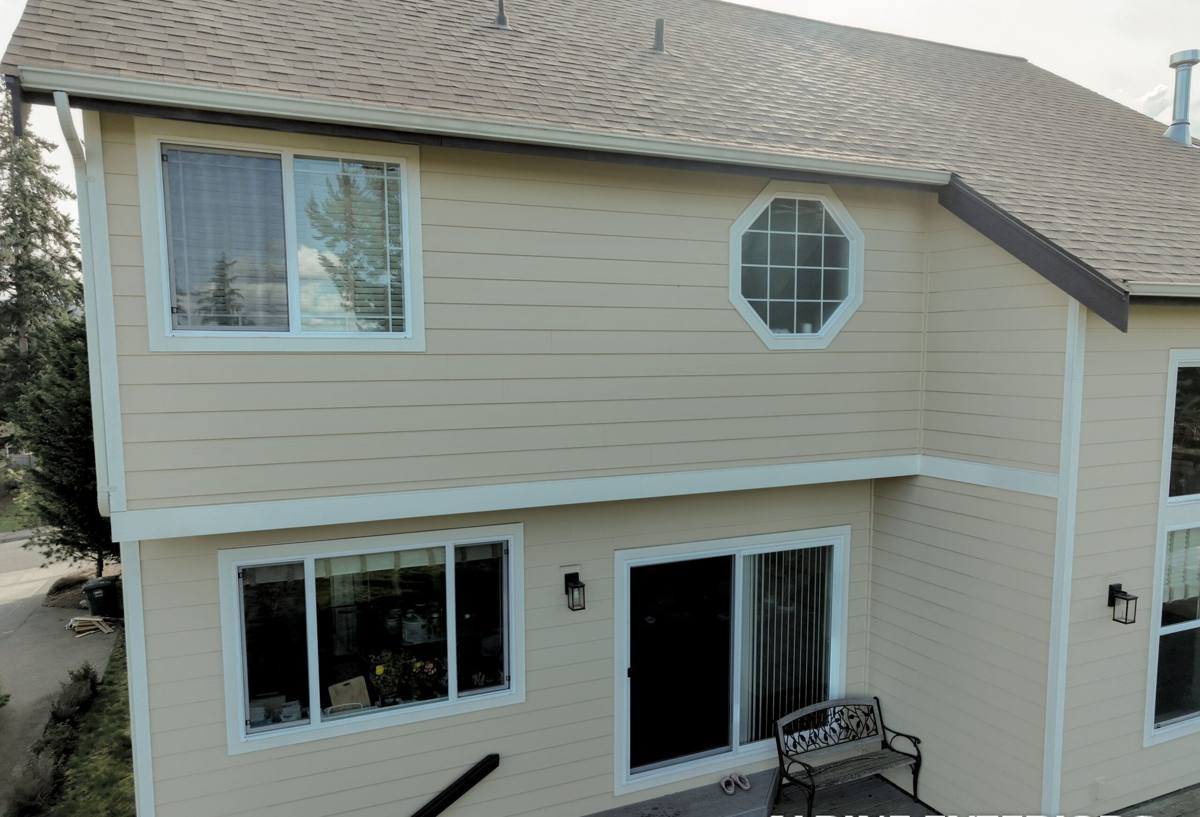
What Actually Causes Storm Damage to a Kendall Roof
Hail is rare here. What Kendall roofs deal with instead is a specific combination of wind, water, and debris that tests a roof differently than a single big storm event might suggest.
Wind and Wind-Driven Rain
Straight-down rain sheds off a roof the way it's designed to. Wind-driven rain doesn't fall — it's pushed sideways and up, forcing its way under shingle tabs, around ridge caps, and into any seam that was only ever sealed against water moving downward. High wind can also lift shingle edges enough to break the seal strip underneath, and once that seal is broken it usually doesn't reseal on its own, even after the wind dies down.
Falling Limbs and Debris
Wooded and semi-wooded Kendall properties take a different kind of hit: limbs and branches coming down during high wind, landing on a roof plane and cracking, puncturing, or dislodging shingles on impact. The damage isn't always dramatic. A glancing hit can knock granules loose or crack a shingle without leaving an obvious visible hole, which is exactly the kind of damage that gets missed in a quick look from the ground.
It's Rarely One Storm — It's the Cycle
A lot of what gets called "storm damage" is really an existing weak point finally giving way during a bigger event. Fasteners loosened by repeated wet-dry cycling, flashing corroded by salt air, a shingle seal already compromised by age — a storm doesn't usually create these problems from scratch, it exposes ones that were already developing. That's part of why the same roof can take several storms without visible trouble and then leak noticeably during one that wasn't necessarily the worst of the season.
Why Fast Response Changes the Outcome
Emergency Tarping
When a roof has an active breach, the first job is stopping water from getting in any further, not scheduling a full repair for next week. A proper emergency tarp is secured tightly enough to hold through continued wind and rain without adding new fastener holes or tear points of its own — a poorly secured tarp can end up doing damage on top of the storm's.
What Happens If You Wait
In a climate with as much sustained moisture as this one, a small breach doesn't stay small for long. Driving rain keeps finding the same opening, and once water reaches the sheathing it doesn't dry out quickly during a long, damp moss season. What starts as a repairable patch can turn into rotted decking, wet insulation, and interior ceiling damage within a matter of weeks if it's left exposed through a few more storm systems.
What a Correct Storm Repair Actually Involves
Assessing Beyond the Visible Damage
Wind damage in particular tends to extend past the spot where a leak actually shows up inside the house. We check the full roof plane and adjacent slopes, not just the area directly above a stain on the ceiling, because lifted or cracked shingles a few feet away from an active leak are common and easy to miss from the ground or from a photo.
Repairing the Deck, Not Just the Surface
If water has been getting behind the roofing for any length of time, the sheathing underneath needs to be checked for saturation and soft spots before anything new goes down. Repairing over damaged decking hides a problem instead of fixing it, and it's one of the more common shortcuts on rushed storm work — the new shingles look fine, but they're fastened to material that won't hold up.
Flashing First, Shingles Second
Storm damage often shows up at flashing details — valleys, chimneys, vent penetrations, wall intersections — before it shows up in the open field of the roof. A correct repair addresses flashing as part of the job, properly lapped and integrated with the underlayment, rather than caulking over a dented or displaced piece and calling it done.
Matching Existing Materials
For a localized repair to hold up and look right, the replacement shingles need to match the existing roof closely enough in color and profile. On an older roof, the exact product may be discontinued or noticeably faded compared to new material, which is a real factor in deciding whether a patch repair or a broader section replacement makes more sense.
Repair or Full Replacement? How We Make That Call
| Factor | Leans Toward Repair | Leans Toward Full Replacement |
|---|---|---|
| Extent of damage | Localized to one area or slope | Scattered across multiple slopes or widespread on one |
| Roof age | Roof is relatively young with isolated storm damage | Roof is already near the end of its service life |
| Decking condition once opened up | Sheathing underneath is sound and dry | Sheathing shows rot or sustained saturation |
| Material match availability | Existing shingle color and profile are still available | Product is discontinued or would look visibly mismatched |
| Condition before the storm | Roof was otherwise well-maintained with normal wear | Roof already showed granule loss, curling, or prior repairs |
We walk homeowners through where their roof lands on these factors rather than defaulting to whichever job happens to be bigger. Plenty of storm damage is a legitimate, contained repair. Some isn't, and pretending otherwise just delays a decision that was going to be necessary anyway.
Working With Your Insurance Company
Most storm-related roof claims come down to documentation. Before any repair work starts, we photograph the damage thoroughly — the specific areas affected, their extent, and anything relevant to how the damage occurred — so there's a clear record to support a claim. Our written estimate itemizes the scope of work rather than giving a single lump-sum number, which is generally what adjusters need to evaluate a claim properly. We'll also walk an adjuster through the roof in person if that's useful. What we won't do is inflate a scope of work to pad a claim; we document what's actually damaged and let that stand on its own.
How Our Storm Response Process Works
- Emergency contact and tarping: If there's an active leak, stopping further water intrusion comes first, before any estimate or paperwork.
- Full inspection: We assess the roof and attic in person, documenting damage clearly enough for both our own scope planning and any insurance claim.
- Written estimate with real options: You get an itemized bid that lays out repair and, where relevant, replacement options honestly, not a single vague number.
- Scheduling: Active leaks and safety issues get prioritized; we build reasonable flexibility into timing since storm-season backlogs and weather delays are normal here.
- Repair work: Deck repair where needed, flashing corrected, and matching materials installed to manufacturer specification.
- Final walkthrough: We review the completed repair with you and flag anything worth watching, like a moss-prone slope that may need maintenance down the road.
Why Hiring a Crew That Already Works in Kendall Matters
A crew that regularly repairs storm damage in and around Kendall already knows which roof orientations catch the worst of the wind-driven rain, which properties see the most limb-fall from tree cover, and how quickly salt air corrodes underspecified flashing and fasteners in this specific area. That's the kind of local pattern recognition that speeds up an accurate assessment and avoids treating every storm-damaged roof the same way.
It also matters after the storm rush dies down. Storm season brings out contractors from well outside the area chasing volume, and a workmanship warranty from a company that isn't reachable a year or two later isn't worth much. A contractor with an established, ongoing presence in the area is the one you can actually call back if a repair needs a follow-up look.
A Practical Checklist Before You Hire
- Do they respond with proper emergency tarping, not just an estimate scheduled for next week?
- Will they check the sheathing and decking, not just replace the surface shingles?
- Is the estimate detailed enough to support an insurance claim, with photos and itemized scope?
- Do they carry current WA contractor licensing and liability insurance?
- Can they point to established, ongoing work in or near Kendall specifically?
- Do they explain repair versus replacement honestly, including the tradeoffs of each?
Signs Your Kendall Roof Has Storm Damage
Not all storm damage announces itself with an active leak right away. It's worth checking for these signs after any significant wind event:
- Missing, torn, or visibly lifted shingles, especially on wind-exposed slopes
- A noticeable increase in granules in gutters or downspouts right after a storm
- Dented, bent, or displaced flashing around chimneys, vents, or valleys
- New water staining on interior ceilings or in the attic following a storm event
- Cracked or punctured shingles under overhanging trees or near recent limb fall
- Soft or spongy spots felt when walking the roof
If you're seeing any of these, it's worth having the roof looked at before the next weather system moves through rather than waiting for a leak to force the timeline.
If your Kendall roof has recent storm damage or you just want an honest opinion on whether it's a repair or something bigger, we're glad to come take a look. Use the form below to request a free, no-pressure estimate.