 Ferndale
 Window Installation Built for Kendall's Weather, Not Just the Opening
Kendall sits inland from Ferndale in a part of Whatcom County where wet weather isn't an occasional inconvenience — it's most of the year. Homes here deal with long stretches of driving rain, high humidity, cool damp winters, and the kind of moss and algae growth that comes with shade, moisture, and mild temperatures sticking around for months at a time. A window that's just "put in" without accounting for that reality will usually cause problems long before the glass itself wears out. The frame around it, the flashing behind it, and the seal against the siding matter just as much as the window unit you pick.
We install windows the way this climate demands: properly flashed, properly sealed, and integrated correctly with the siding and weather-resistive barrier behind it. That's the difference between a window that lasts decades and one that starts leaking, fogging, or rotting out the surrounding trim in five to eight years.
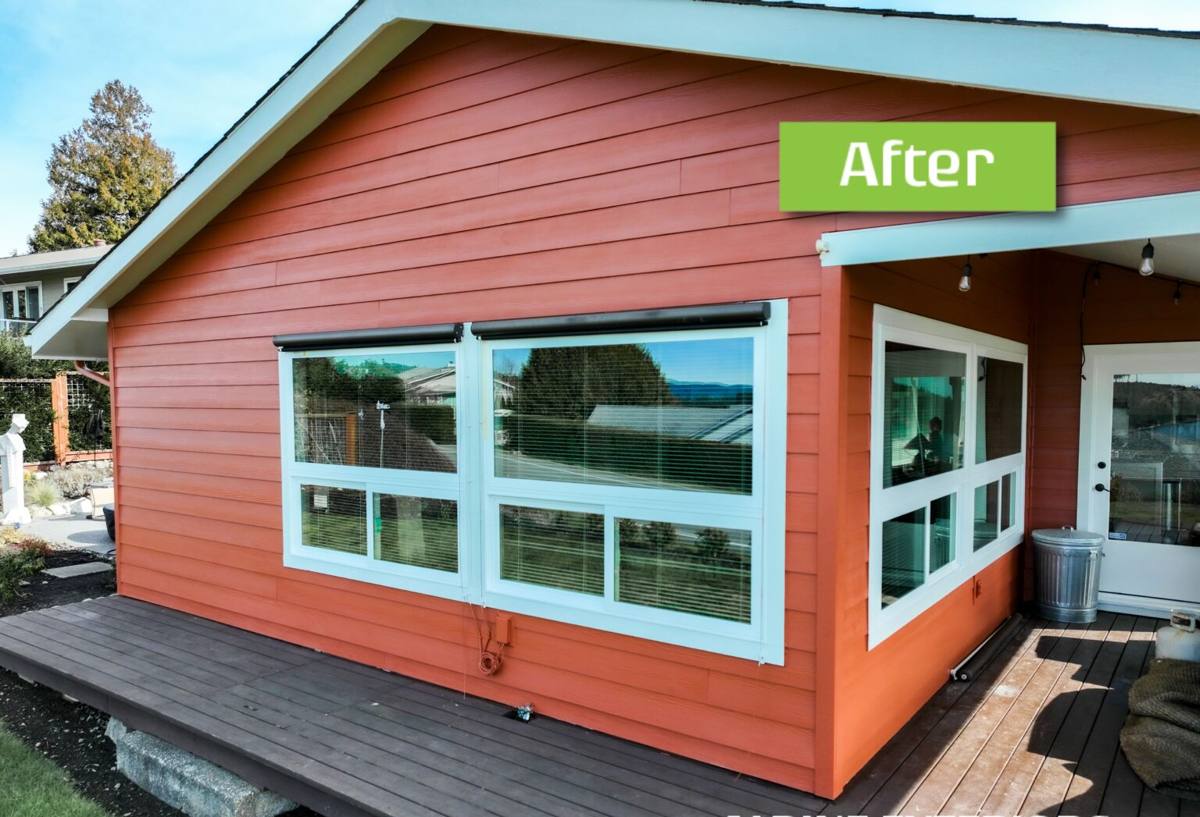
What Whatcom County's Climate Does to Windows Over Time
Whatcom County's marine-influenced weather — including the salt-tinged air closer to the coast and the persistent damp that settles into the foothills around Kendall — puts steady, cumulative stress on window assemblies. It's rarely one dramatic storm that causes failure. It's years of small exposure adding up.
Driving Rain and Wind-Driven Moisture
Rain here often comes in sideways, pushed by wind off the water and through the valleys. That means water gets tested against vertical surfaces — siding, trim, and window edges — far more aggressively than in climates where rain mostly falls straight down. If flashing and sealant details aren't done correctly, wind-driven rain finds its way behind the window frame and into the wall cavity, where it can sit unnoticed for a long time.
Long Moss and Algae Season
Shade, moisture, and mild temperatures for much of the year make this excellent growing conditions for moss and algae — not just on roofs, but on north-facing siding and around window sills where water lingers. Organic growth holds moisture against wood trim and can accelerate rot at the exact points where a window meets the wall.
Temperature Swings and Condensation
Cool, damp winters combined with warmer, more humid stretches create condensation cycles inside window cavities and on interior glass. Poorly insulated or poorly sealed windows fog up, drip, and eventually stain the surrounding drywall or trim.
Wood Movement and Seasonal Settling
Older Kendall homes, especially those with wood-frame construction, expand and contract with seasonal moisture changes. A window installed without allowing for that movement — or one that was force-fit into a slightly out-of-square opening — will develop gaps and stress cracks in the sealant within a few seasons.
What a Correct Window Installation Actually Involves
A window installation is not just "remove old window, set new window, caulk the edges." Done right, it's a sequence of steps where each one protects the next from moisture. Skipping or rushing any of them is where most future leaks and rot originate.
Opening Inspection and Prep
Before a new window goes in, we check the rough opening for square, level, and — critically — for existing water damage or soft wood in the sill and jambs. If there's hidden rot from a prior installation, that gets addressed first. Installing a good window into a compromised opening just delays the same problem.
Flashing and Water Management
Proper flashing directs any water that gets past the exterior cladding back out, rather than letting it pool at the sill or run down into the wall. This includes sill pan flashing, side flashing, and head flashing integrated with the weather-resistive barrier in the correct shingle-lap order — each layer overlapping the one below it so water always sheds downward and outward.
Air Sealing and Insulation
The gap between the window frame and the rough opening needs to be sealed against air and moisture infiltration without being packed so tight it restricts the window's ability to move slightly with temperature changes. Low-expansion foam or backer rod and sealant, applied correctly, insulates the gap while leaving the assembly able to perform.
Exterior Trim and Sealant Detail
The visible caulk line around a window is the last line of defense, not the first. It matters, but a good install doesn't rely on caulk alone to keep water out — that's a sign corners were cut earlier in the process.
Signs a Kendall Home Needs Window Replacement
Not every window problem means full replacement, but these are the signals worth taking seriously before they turn into structural repairs:
- Fogging or moisture trapped between panes of double-glazed glass
- Visible gaps, soft spots, or discoloration in the wood trim around the frame
- Drafts you can feel near the window even when it's fully closed and locked
- Difficulty opening, closing, or locking windows that used to work fine
- Moss or dark staining building up on the sill or the siding just below the window
- Noticeably higher heating costs in winter with no other explanation
- Peeling paint or bubbling on interior trim near the window, a common sign of trapped moisture
Comparing Window Materials for This Climate
There's no single "best" window material for every home — it depends on budget, the home's style, and how much long-term maintenance an owner wants to take on. Here's how the common options hold up in Whatcom County's damp, mossy conditions:
| Material | Moisture Performance | Maintenance | Typical Lifespan |
|---|---|---|---|
| Vinyl | Won't rot; handles humidity well | Low — occasional cleaning | 20–30 years |
| Fiberglass | Excellent; very stable in wet/dry cycles | Low | 30–40+ years |
| Wood | Requires diligent sealing and paint upkeep to resist rot | High — regular repainting/resealing | Varies widely with maintenance |
| Wood-Clad (wood interior, metal/vinyl exterior) | Good, if cladding and flashing details are done correctly | Moderate | 25–35 years |
| Aluminum | Prone to condensation without a thermal break | Low | 20–25 years |
For most Kendall homes, we steer people toward vinyl or fiberglass for the balance of moisture resistance and low upkeep — this climate punishes materials that need consistent maintenance to keep water out. Traditional wood windows can still work well on the right home, but only if the owner is genuinely willing to keep up with painting and sealing on a schedule. We'll give you an honest read on which fits your house and your tolerance for upkeep, not just what's easiest to install.
What Affects the Cost of a Window Installation
| Factor | Why It Matters |
|---|---|
| Number and size of windows | Larger openings and full-home replacements scale cost directly |
| Material choice | Fiberglass and premium vinyl cost more upfront than basic vinyl or aluminum |
| Condition of the rough opening | Rot repair or reframing adds labor before the window itself goes in |
| Access and home height | Second-story or hard-to-reach windows take longer to work safely |
| Trim and siding integration | Matching existing trim profiles or coordinating with a siding project adds detail work |
| Full-frame vs. insert replacement | Full-frame replacement (removing down to the studs) costs more but corrects hidden damage; inserts are faster but can't fix a compromised opening |
We won't quote a number without seeing the actual openings and home — anyone who does is guessing. What we can tell you honestly is that the cheapest option up front is rarely the cheapest option over 15–20 years in this climate, especially if it skips proper flashing to save time.
Our Installation Process
- On-site assessment: We look at every opening, check for existing moisture damage, and measure for accurate ordering.
- Honest recommendation: We walk through material and style options based on your home's condition and your budget, without pushing you toward the most expensive option.
- Removal and prep: Old windows come out carefully, and we address any rot or damage found in the opening before anything new goes in.
- Flashing and installation: Sill pan, side, and head flashing go in following correct water-shedding order, then the new window is set, shimmed, and secured.
- Insulation and sealing: The gap is insulated and air-sealed correctly, then exterior trim and sealant are finished to match your home.
- Final walkthrough: We check operation, sealing, and appearance with you before calling the job done.
Why a Crew That Already Works in Kendall Makes a Difference
Window installation done by someone unfamiliar with this region's weather patterns often looks fine for the first year or two, then starts failing once the flashing details get tested by a real wet season. A crew that regularly works homes in and around Ferndale and Kendall already knows which details can't be skipped here — how aggressively wind-driven rain tests a window's edges, how much moss and organic buildup affects sill drainage, and how the region's humidity swings stress seals and insulation over time.
That familiarity also means we're not learning on your house. We've seen how older Whatcom County homes were originally built, what past installation shortcuts tend to look like when we open up a wall, and what actually holds up here long-term versus what looks good on a sunny installation day and fails the first real storm season.
Get a Straightforward Estimate
If you're dealing with drafty, foggy, or hard-to-operate windows in Kendall, or you're planning ahead for a full replacement, we're happy to take a look and give you a clear, no-pressure estimate. Use the form below to get started — we'll walk your home, answer your questions honestly, and let you decide from there.