 Ferndale
 Why Siding Wears Faster Near Lummi Nation Than Inland Whatcom County
Homes in and around Lummi Nation sit close to the water, and that changes what siding has to survive year after year. Inland Whatcom County homes deal with rain and cold; homes near Bellingham Bay and the Salish Sea deal with all of that plus salt-laden air, near-constant humidity, and wind-driven rain that hits siding sideways instead of falling straight down. That combination is harder on exterior materials than most homeowners realize until they're standing in front of siding that's failing ten or fifteen years earlier than it should.
We work throughout Ferndale and the surrounding Whatcom County coastline, and the pattern we see near the water is consistent: fasteners corrode faster, paint and caulk break down sooner, and anything with exposed wood grain or seams starts trapping moisture. None of that means the siding is doomed — it means the siding, the fasteners, and the installation details all have to be chosen for this specific environment, not for a generic weather zone.
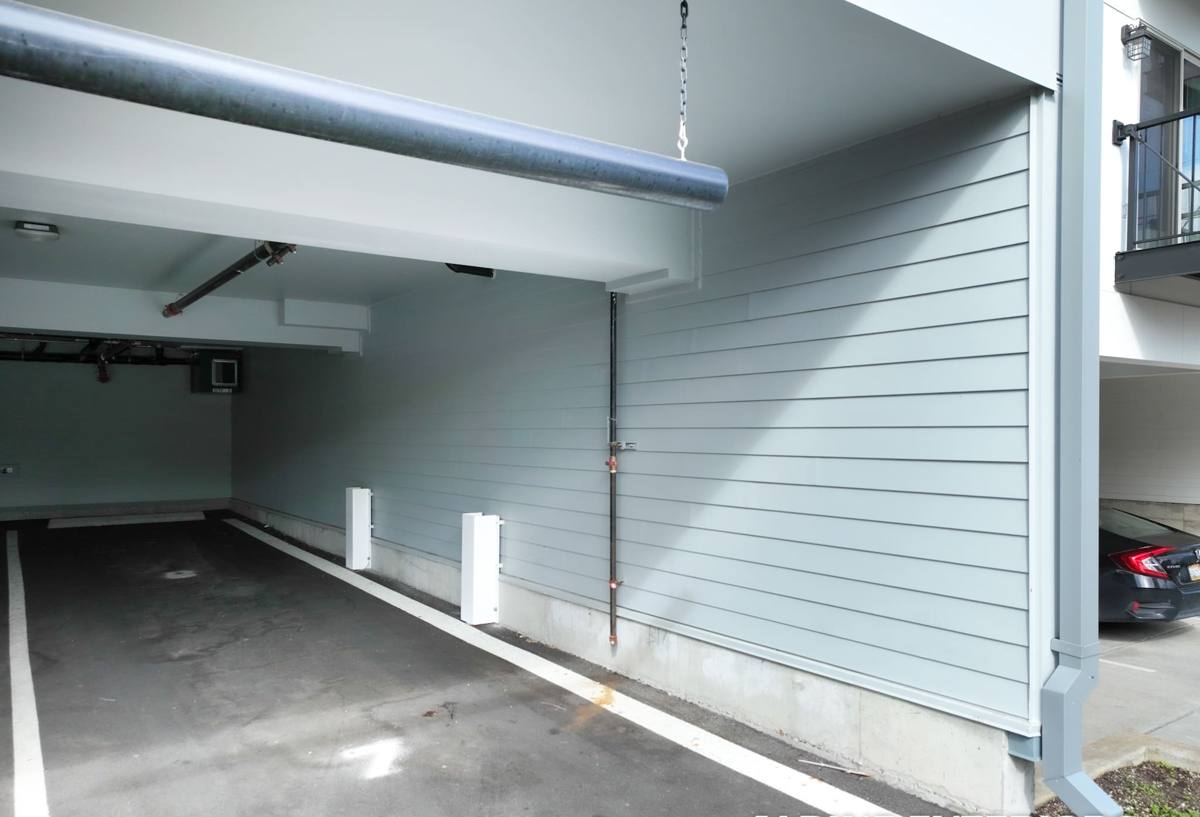
What Salt Air, Driving Rain, and Moss Actually Do to Siding
Salt Air
Airborne salt is corrosive to metal and slowly degrades many paint and coating systems. Over years, it accelerates fastener rust, pits exposed metal trim, and can chalk or dull factory finishes that weren't engineered for marine exposure. Homes a few blocks from the water take this exposure daily, not occasionally.
Driving Rain
Wind off the water doesn't let rain run harmlessly down a wall — it forces water sideways and upward into laps, seams, and butt joints. Siding systems that rely on caulk alone to keep seams watertight, or that don't have proper flashing and drainage behind them, eventually let water behind the cladding. Once water gets behind siding, the sheathing and framing underneath are what actually rot, and that's a far more expensive repair than the siding itself.
Moss and Sustained Moisture
Whatcom County's long wet season means siding surfaces can stay damp for days at a stretch, especially on north-facing walls and anywhere shaded by trees. Moss and algae take hold on surfaces that hold moisture, and on wood-based products that organic growth can work its way into the material itself, not just sit on top of it.
Signs a Home in This Area Needs Replacement, Not Just Repair
- Soft or spongy spots when you press on siding, especially near the bottom courses and around windows
- Paint that's bubbling, peeling, or won't hold a fresh coat no matter how often it's redone
- Visible warping, cupping, or delamination on wood-based or engineered wood siding
- Persistent moss or dark staining that comes back within a season of cleaning
- Rust streaks below fasteners or trim, especially on walls facing the water
- Rising energy bills that point to a wall assembly no longer sealing properly
- Visible daylight or drafts at seams and corners from inside the home
Any one of these can sometimes be spot-repaired. Several of them together, especially on a home over 15-20 years old, usually mean the underlying moisture barrier has been compromised and full replacement is the more honest recommendation — not because it's the bigger job, but because patching over a failed water management system just delays the real cost.
What a Correct Siding Replacement Actually Involves
Replacing siding correctly is mostly about what happens before the new siding ever goes up. In a coastal-influenced climate like this one, skipping these steps is exactly how homes end up needing another replacement in half the time.
Full Tear-Off and Inspection
We remove the old siding down to the sheathing so we can actually see what's underneath — soft sheathing, rotted framing, or old flashing that's failed doesn't show up if you just cover it with something new.
Weather-Resistant Barrier
A properly lapped, sealed water-resistive barrier goes on next. This is the layer that actually keeps wind-driven rain out of the wall assembly if any moisture gets past the siding itself — which, in driving rain off the water, it eventually will.
Flashing at Every Penetration
Windows, doors, hose bibs, vents, and roof-to-wall transitions all need proper flashing detail, not just a bead of caulk. Caulk fails; correctly lapped flashing sheds water by gravity and keeps working long after caulk has dried out and cracked.
Correct Fastening
Fastener type and spacing matter more near salt air than most homeowners expect. Corrosion-resistant fasteners, driven to the manufacturer's specification, are part of why a job holds up or doesn't.
Manufacturer-Spec Installation
Clearances at the ground, proper gapping at joints, and correct nailing patterns aren't optional details — they're what the product warranty is actually based on. An otherwise good material installed off-spec voids the protection it was supposed to offer.
Why We Install Only James Hardie Fiber Cement
We made a deliberate decision to install one siding system — James Hardie fiber cement — and not offer vinyl, LP SmartSide, primed spruce, cedar, or other fiber cement brands. That's not a marketing position; it's a reflection of what actually holds up on homes exposed to salt air, driving rain, and a long moss season.
Fiber cement is non-combustible and dimensionally stable, meaning it doesn't expand, contract, warp, or cup the way wood-based products can when they cycle through wet and dry conditions repeatedly. James Hardie's ColorPlus finish is a factory-applied, baked-on coating that's more consistent and more resistant to fading and moisture intrusion than field-applied paint, which matters a great deal in an environment where paint systems get tested hard. Hardie also offers HZ product lines engineered for specific climate zones, so the substrate itself is matched to moisture exposure rather than being a one-size-fits-all product.
None of that means other products are unusable everywhere — vinyl and engineered wood siding have real uses and real advocates. But for the maintenance burden, moisture behavior, and long-term performance we're willing to put our name behind on homes near the water, fiber cement is what we've standardized on, and it's the only system we install.
How the Main Siding Options Compare in This Climate
| Material | How It Handles Salt Air & Sustained Moisture | Typical Maintenance |
|---|---|---|
| Vinyl | Doesn't rot, but can warp or fade under UV and temperature cycling; seams rely on overlap, not seal | Low, but limited repairability and color options fade over time |
| Cedar / Primed Wood | Attractive but absorbs moisture readily; prone to moss, rot, and paint failure in sustained damp conditions | High — regular repainting and moisture monitoring |
| Engineered Wood (LP SmartSide) | Better moisture resistance than raw wood, but still wood-based and sensitive to edge sealing and installation quality | Moderate — edge sealing and caulking upkeep matter |
| James Hardie Fiber Cement | Non-combustible, dimensionally stable, factory-finished; engineered climate-specific lines for moisture exposure | Low — occasional washing, no repainting cycle |
Our Process, From Estimate to Final Walkthrough
We keep the process straightforward because homeowners near the water are usually dealing with a real, visible problem, not a cosmetic upgrade.
- On-site evaluation: we walk the home, check for soft sheathing, moisture damage, and problem areas specific to sun and wind exposure on your lot.
- Written estimate: scope, product line, and cost factors laid out plainly, with no pressure to decide on the spot.
- Tear-off and inspection: old siding comes off, sheathing and framing get inspected before anything new goes on.
- Water management installed correctly: weather-resistant barrier, flashing, and proper laps before a single piece of siding is hung.
- Hardie installation to manufacturer spec: correct fasteners, clearances, and joint detailing.
- Final walkthrough: we go over the finished work with you directly.
Cost Factors for Siding Replacement in Lummi Nation Homes
| Factor | Why It Affects Cost Here |
|---|---|
| Extent of hidden moisture damage | Sheathing or framing repair found during tear-off adds scope beyond siding alone |
| Home size and wall complexity | More corners, dormers, and penetrations mean more flashing and labor detail |
| Siding profile chosen | Lap, panel, and shingle-style Hardie products differ in material and install time |
| Access and site conditions | Waterfront lots, slopes, or limited access can affect staging and labor time |
| Trim and accessory work | Fascia, soffit, and trim replacement alongside siding is often more efficient than doing it later |
We don't quote from a distance for jobs like this — accurate numbers require seeing the actual condition of the walls, which is part of why the on-site evaluation matters.
Why Hiring a Crew That Already Works This Area Matters
Siding installation quality depends heavily on judgment calls that don't show up on a spec sheet — how much clearance to leave at a deck ledger, how to flash a tricky roof-to-wall transition, how to handle a wall that gets hit hardest by prevailing wind. A crew that already works homes in the Ferndale and Lummi Nation area has made those calls repeatedly on houses facing the same weather this one does.
- Ask whether the crew is a factory-certified James Hardie installer, not just a general contractor who occasionally installs it
- Ask how they handle flashing at windows, doors, and roof lines specifically
- Ask what fastener type and spacing they use, and why
- Ask whether the warranty is transferable if you sell the home
- Ask for a written scope that separates siding, trim, and any structural repair
- Confirm they pull the required permits rather than skipping that step
A contractor unfamiliar with coastal Whatcom County conditions can still do competent work in general, but the details that matter most here — water management, fastener choice, flashing at penetrations — are exactly the details that get rushed by crews used to drier, calmer inland conditions.
Get a Free, No-Pressure Estimate
If your home in the Lummi Nation area is showing signs of siding wear — soft spots, persistent moss, failing paint, or rising energy bills — it's worth having someone look at it before the damage spreads further into the wall. We'll walk the exterior, give you a straight assessment of what we find, and put together a written estimate for a James Hardie fiber cement replacement built for this climate. There's no obligation and no pressure — just fill out the form below to get started.