 Ferndale
 Board & Batten Siding in Lynden: Built for Whatcom County's Wet Side
Lynden sits in the part of Whatcom County where dairy country meets the weather rolling in off Puget Sound and Bellingham Bay — salt-tinged air, long stretches of driving rain, and a moss season that can run from October well into spring on the shaded and north-facing walls of a home. Board and batten siding has a strong, clean look that fits Lynden's farmhouse and rural architecture, but that same climate that makes the region beautiful is hard on siding that isn't installed correctly. This page covers what board and batten siding actually needs to hold up in Lynden, what a correct installation looks like, and how our process works for homeowners in this area.
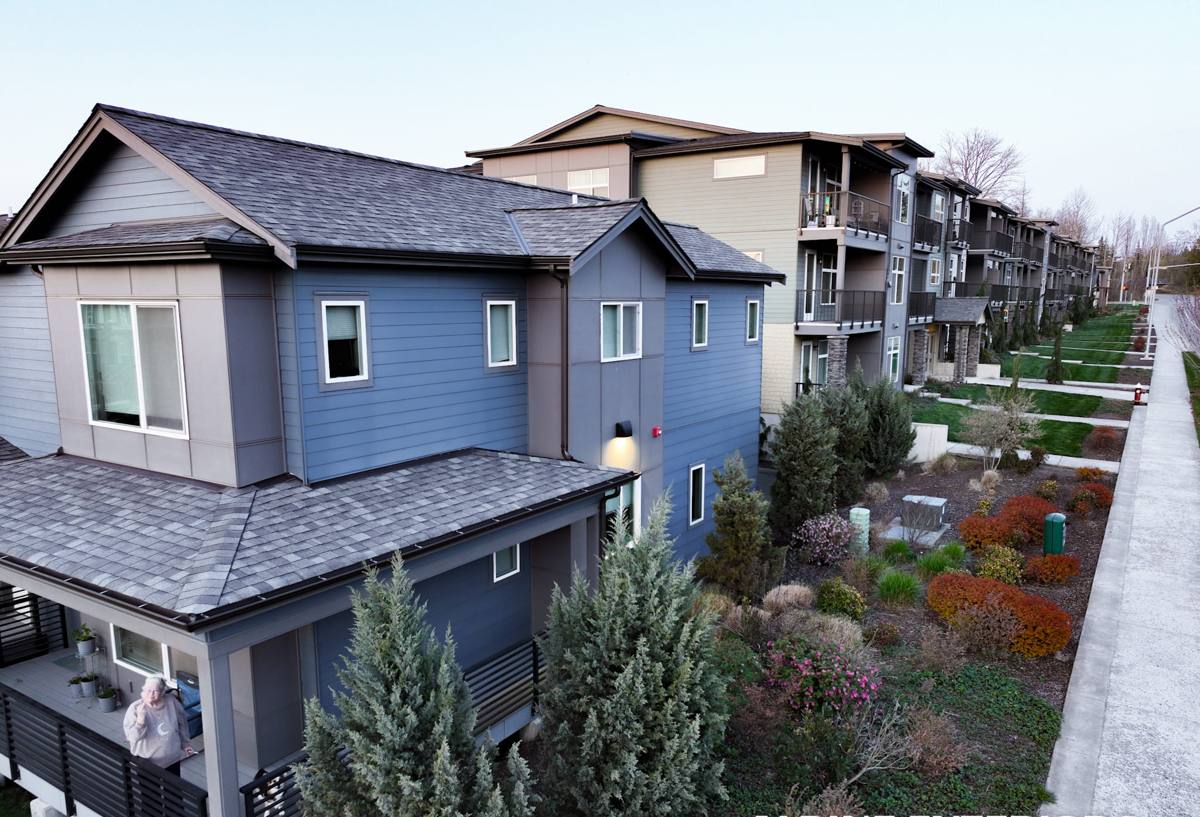
What Lynden's Climate Actually Does to Board & Batten Siding
Board and batten relies on vertical boards or panels with narrow strips (battens) covering the seams. That design is only as good as the moisture management behind it. In a climate like Lynden's, a handful of failure points show up again and again on homes where the siding wasn't installed with the local weather in mind:
- Moss and algae staining on north- and west-facing walls that stay damp for weeks at a time, especially near tree lines and outbuildings common on Lynden properties.
- Wicking at the base of battens and boards where standing moisture sits against the material instead of draining away.
- Caulk and joint failure at butt seams and trim, which lets driving rain behind the siding long before it's visible from the ground.
- Salt-influenced weathering on paint and finish, which shows up as premature fading or chalking on lower-quality materials.
- Freeze-thaw stress on exposed cut edges during Whatcom County's cold snaps, if those edges weren't sealed at installation.
None of these are exotic problems — they're the predictable result of a wet, temperate climate acting on a siding style that has more seams and more exposed edges than standard horizontal lap siding. The fix isn't a different look; it's the right material and the right installation detail.
Why Board & Batten Fits Lynden's Character
Board and batten has deep roots in agricultural buildings — barns, sheds, farmhouses — which is part of why it reads so naturally on homes throughout Lynden's rural and semi-rural neighborhoods. It also works well as an accent alongside lap siding on gables, entries, and porch walls, giving a home dimension without changing its overall style. Whether it's used across a full exterior or as a feature on part of the home, the vertical lines and simple shadow pattern hold up visually in a way that trend-driven finishes don't.
What a Correct Board & Batten Installation Involves
We install James Hardie fiber cement for board and batten projects, most commonly as HardiePanel vertical siding with matching battens, or the Hardie Artisan Collection where a homeowner wants a more refined, tighter-reveal look. The material choice matters, but so does everything behind it. A correct installation includes:
- A water-resistive barrier installed and lapped correctly before any siding goes up.
- A drainage gap (rain screen) behind the panel so any moisture that gets past the surface has somewhere to go instead of sitting against the wall sheathing.
- Properly flashed windows, doors, and any wall penetrations before the first panel is set.
- Fastener placement and spacing that follows James Hardie's published installation instructions — not a generalized "siding" pattern borrowed from another material.
- Sealed, primed cut edges on every field cut, not just the factory edges.
- Batten spacing and fastening that allows for the material's normal expansion and contraction rather than fighting it.
Skipping any one of these steps is usually invisible on install day and becomes a visible problem two, five, or ten years later — which is exactly the kind of failure that's expensive to diagnose after the fact.
Common Board & Batten Approaches
| Approach | Look | Where It Fits Best |
|---|---|---|
| HardiePanel + battens | Classic vertical board and batten, wider reveal | Full exteriors, farmhouse-style homes |
| Hardie Artisan board and batten | Tighter joints, more refined, deeper shadow lines | Modern farmhouse and higher-end exteriors |
| Board and batten as an accent | Mixed with lap siding on gables or entries | Homes wanting dimension without a full re-side |
Why We Only Install James Hardie
We don't install vinyl, LP SmartSide, or other fiber cement brands for board and batten work, and that's a deliberate standard, not a limitation on options. James Hardie fiber cement is non-combustible, holds paint and its factory ColorPlus finish far longer than field-painted wood or engineered wood products, and is manufactured to handle wet, temperate climates like ours without the swelling, rot, or repainting cycle that comes with wood-based sidings. It also carries a strong transferable warranty backed by a manufacturer with a long track record — something that matters more on a style like board and batten, which has more seams and more places for a lesser product to fail first. When a job is installed to spec, Hardie board and batten is a long-term exterior, not a five-to-ten-year maintenance project.
Our Process for Lynden Board & Batten Projects
- On-site assessment. We look at the existing wall condition, sheathing, and any moisture damage before quoting anything — board and batten over a wall that's already compromised just hides the problem.
- Moisture and rot check. If there's existing siding coming off, we check the sheathing underneath before closing the wall back up.
- Water-resistive barrier and drainage gap installed correctly, matched to the wall assembly we're working with.
- Panel and batten installation to James Hardie's fastening and spacing specifications, with all cut edges primed and sealed.
- Trim, flashing, and caulk detailing at every window, door, and penetration.
- Final walkthrough with the homeowner before we consider the job finished.
We don't shortcut the prep work to get to the visible part of the job faster. The parts of a board and batten installation that actually determine whether it lasts are the parts you can't see once it's done.
Maintenance Through Lynden's Moss Season
James Hardie siding installed correctly is low-maintenance, not no-maintenance. A little seasonal attention goes a long way in a climate that stays damp for months:
- Keep gutters and downspouts clear so water isn't sheeting down the face of the siding.
- Trim back vegetation and tree cover close to the house to reduce shaded, damp wall areas where moss and algae take hold.
- Rinse siding periodically with a garden hose and soft brush rather than a pressure washer, which can force water behind panels and battens.
- Inspect caulk joints at trim and butt seams once a year and have any cracked or missing caulk addressed before the wet season sets in.
- Watch for consistent moss growth in one spot — it's often a sign of a drainage or shading issue worth checking rather than just a cosmetic annoyance.
Cost Factors for Board & Batten in Lynden
Every home is different, but a few factors consistently move the price on board and batten projects in this area:
| Factor | Why It Matters |
|---|---|
| Tear-off vs. new construction | Removing existing siding and addressing any hidden moisture damage adds labor before installation even starts |
| Full exterior vs. accent areas | Board and batten across an entire home costs more than using it as a gable or entry accent alongside lap siding |
| Home height and access | Two-story walls, steep rooflines, and limited access around outbuildings or fencing affect labor time |
| Trim and detail complexity | Homes with more windows, dormers, and transitions require more flashing and cut work |
| Panel vs. Artisan Collection | The refined, tighter-reveal Artisan line costs more than standard HardiePanel and battens |
Why Hire a Crew That Already Works in Lynden
Board and batten is less forgiving of a rushed or generic installation than standard lap siding, simply because it has more seams and more exposed trim. A crew that already works in Lynden and the surrounding Whatcom County communities knows what this specific climate does to an exterior over time — where moss tends to establish first, how much rain exposure a given wall orientation actually gets, and how to detail a job so it's still performing the way it should ten and fifteen years out, not just on install day. That local track record is worth more than a lower bid from a crew that's never worked the wet side of the county.
If you're considering board and batten siding for a home in Lynden, we're happy to take a look and give you a straightforward, no-pressure estimate — just fill out the form below.