 Ferndale
 Kendall's Climate Asks More of a Deck Than People Expect
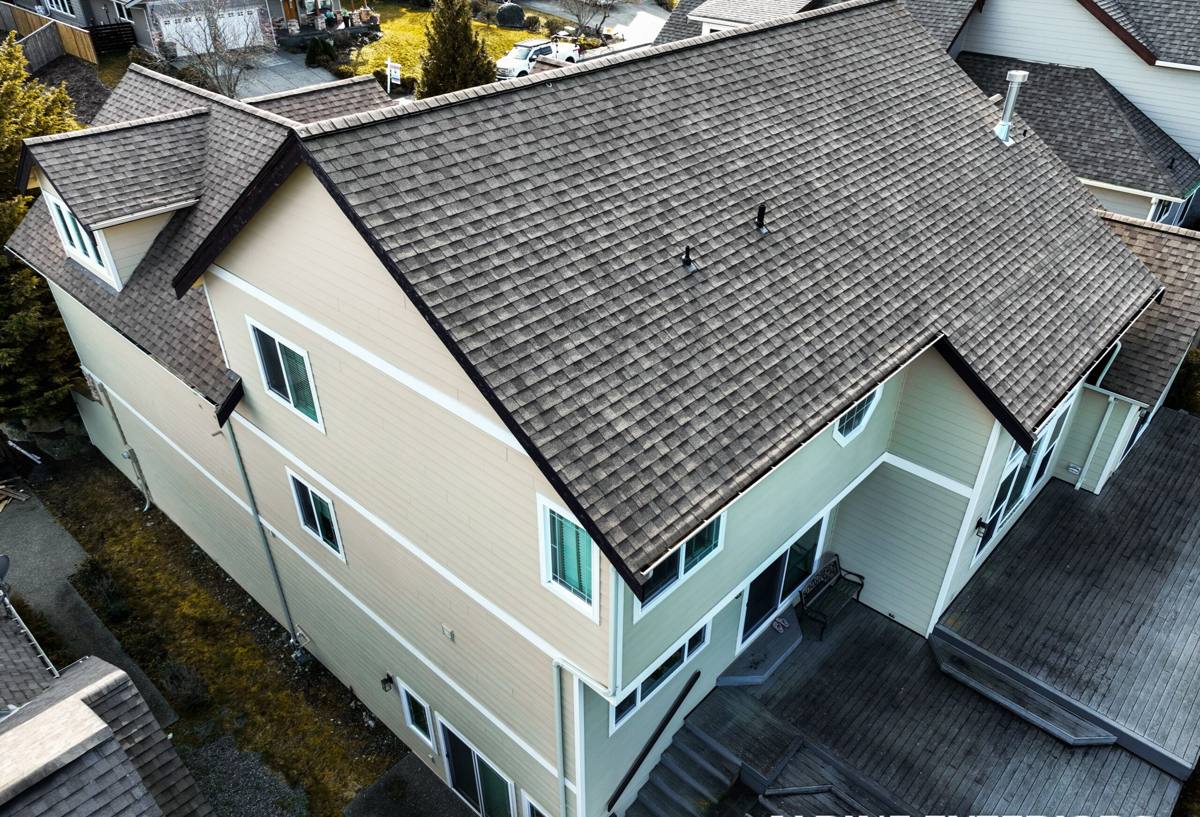
Kendall sits back from the coastline that Ferndale and the rest of Whatcom County deal with directly, but the foothill setting brings its own version of the same problem. Instead of salt air, homes here get more tree cover, more shade, and ground that stays damp longer into the season. Driving rain off the Cascade foothills combined with a canopy of firs and cedars means less direct sun to dry a deck surface out between storms. That's the exact combination — moisture plus shade — that turns an ordinary wood deck into a moss farm by year two or three.
We bring this up first because it changes what "correct installation" actually means out here. A deck built the same way you'd build one in a dry, open yard in eastern Washington will underperform in Kendall. The framing, drainage, and board choice all need to account for a site that dries slowly and holds moisture against wood longer than most people realize.
Why Composite Holds Up Better in This Setting
Wood decking isn't a bad product — it's a maintenance commitment. In a shaded, damp yard, that commitment gets steeper: more frequent sealing, more scrubbing to keep moss and algae off the boards, and a shorter realistic lifespan before boards start cupping, splintering, or rotting at the fastener holes. Composite decking (a blend of wood fiber and plastic, usually with a protective cap) doesn't absorb water the way solid wood does, so it doesn't swell, splinter, or feed mold and mildew the same way.
That doesn't mean composite is maintenance-free — we'll get into that later — but it shifts the maintenance burden from "essential to prevent rot" to "occasional cleaning to keep it looking good." In a climate that gives a deck surface fewer dry days per year, that difference matters more than the brochure language usually lets on.
Where Composite Still Has Trade-Offs
- Higher upfront material cost than pressure-treated wood, offset over time by lower maintenance spending.
- Some early-generation and uncapped composite products can still take on surface mold in heavy shade if they aren't cleaned periodically — cap quality matters.
- Color and board options are more limited than raw wood, though most homeowners find the modern color ranges cover what they want.
- Composite gets warmer underfoot in direct sun than some wood species — less of a concern on a shaded Kendall lot, but worth knowing if part of the deck sees full afternoon sun.
What a Correct Composite Deck Build Actually Involves
The board is the part homeowners see and shop for, but most of the problems we get called to fix on other people's decks trace back to the structure underneath, not the decking material itself. A composite deck built properly in a wet climate needs:
- Ledger board flashing done right — where the deck attaches to the house is the single most common source of hidden water damage. Proper flashing and a gap for drainage behind the ledger keep water from tracking into the house framing.
- Joist spacing matched to the board — composite boards have manufacturer-specified joist spacing (often tighter than traditional wood spacing, especially at angles or stair treads). Skipping this shortens the board's life and can void the warranty.
- Joist tape or a moisture barrier on the framing — composite decking resists water, but the wood joists underneath it don't. Protecting the tops of joists is cheap insurance against rot you won't see until it's serious.
- Hidden fastener systems — most composite boards today use a hidden clip system rather than face screws, which also leaves fewer entry points for water to sit.
- Airflow underneath — enough clearance and ventilation below the deck so the framing can actually dry out between rain events, which matters more in a shaded yard than an open, sunny one.
- Proper end-gapping and expansion room — composite boards expand and contract with temperature more than people expect; gaps that are too tight will buckle over time.
Composite Board Tiers: What You're Actually Choosing Between
| Board Type | How It Handles Moisture | Maintenance | Typical Trade-Off |
|---|---|---|---|
| Uncapped composite | Absorbs some moisture at the surface over time | Occasional cleaning; more prone to surface mold in shade | Lower cost, shorter realistic lifespan in wet, shaded yards |
| Capped composite (cap on top surface only) | Good resistance on the walking surface | Periodic washing to prevent grime buildup | Solid mid-range choice for most Kendall lots |
| Fully capped composite (cap on all sides) | Best resistance to moisture and staining on every face | Lowest maintenance of the composite options | Highest material cost, longest warranty terms |
| PVC decking (no wood fiber) | Doesn't absorb moisture at all | Very low | Different look and feel than wood-fiber composite; higher cost |
For a shaded, damp lot like most of what we see around Kendall, we generally steer homeowners toward capped or fully capped boards. The upcharge over uncapped composite is usually modest, and it's the difference that shows up five years in when one deck still looks clean and another has ground-in mildew in the grain.
How We Approach a Kendall Composite Deck Project
1. Site Visit and Assessment
We look at sun exposure, drainage slope, how close the deck sits to the house, and whether we're building new or replacing an existing wood deck. If we're replacing, we check the ledger and any existing framing for rot before quoting anything — hidden damage there changes the scope, and we'd rather tell you upfront than find it mid-project.
2. Framing and Structure
This is where the moisture-management details above get built in: ledger flashing, joist tape, correct joist spacing for the board you've chosen, and footings sized for our soil and frost conditions. This step doesn't show in the finished deck, but it's what determines whether the deck is still solid in fifteen years.
3. Decking, Railing, and Fastening
Boards go down with the hidden fastener system specified for that product, with proper expansion gaps and picture-framed or straight-run patterns depending on what you've chosen. Railing gets tied in at this stage too — composite or aluminum railing systems both hold up well in this climate; painted wood railing is the piece most likely to need repainting sooner than the deck itself needs attention.
4. Final Walkthrough
We walk the deck with you, check fastening and gaps, and go over basic care so you know what to expect in year one versus year five.
Living With a Composite Deck in a Wet, Mossy Climate
Composite cuts the maintenance load, it doesn't eliminate it. A little seasonal attention keeps it looking new for the life of the warranty instead of just the first couple of years.
- Sweep off needles, leaves, and debris regularly — organic matter trapped against the board surface is what feeds mildew and algae, especially under tree cover.
- Wash the deck with a soft-bristle brush and mild soap-and-water or a composite-safe cleaner once or twice a year; avoid pressure washers on anything but the lowest setting, since high pressure can damage the cap or embed dirt in the texture.
- Keep planters and rugs up off the surface periodically to let trapped moisture underneath them dry out.
- Check that gaps between boards stay clear of debris so water keeps draining through as designed.
- Inspect railing posts and stair connections once a year, especially after a hard winter — hardware is usually the first thing to work loose, not the decking itself.
What Affects the Cost
| Factor | Why It Matters |
|---|---|
| Deck size and shape | Square footage and the number of angles or cuts drive both material and labor time. |
| Existing structure condition | Reusing sound framing costs less than rebuilding rotted joists or footings found during demo. |
| Board tier | Uncapped, capped, and fully capped composite carry different price points, as shown above. |
| Railing and stairs | Composite or aluminum railing, plus stair complexity, add materially to the total. |
| Site access | Sloped or wooded lots — common around Kendall — can add time for material staging and equipment access. |
We don't quote a project without seeing the site, but we're always upfront about the broad range you're working in before we get into specifics, so there are no surprises once we're standing on your property.
Why It's Worth Hiring a Crew That Already Works This Area
Kendall isn't a downtown grid — lots here tend to be larger, more wooded, and more varied in grade than in-town Ferndale properties, and permitting and setback requirements can differ depending on where you sit in unincorporated Whatcom County versus inside city limits. A crew that's already built decks out here knows which drainage details actually matter on a shaded, sloped lot, doesn't guess at permit requirements, and isn't learning the area on your project. That local familiarity shows up in fewer surprises during framing and a deck that's built for the site you actually have, not a generic one.
If you're weighing composite decking for a home in Kendall, we're glad to walk the property, talk through board options honestly — including where a lower-tier board is genuinely fine and where it isn't — and give you a straightforward estimate. There's no pressure and no obligation; fill out the form below and we'll set up a time to take a look.