 Ferndale
 Why Birch Bay Decks Wear Out Faster Than You'd Expect
Birch Bay sits right on the water, and that location cuts both ways. The same bay views that make the neighborhood desirable also mean homes here take a steady beating from salt-laden air, wind-driven rain off the Strait of Georgia, and a wet season that can stretch from October well into April. Add in the shade from mature evergreens on many Birch Bay lots, and you get a near-constant moss and algae cycle on any horizontal wood surface. A deck built the same way you'd build one twenty miles inland in Bellingham or Ferndale proper simply won't hold up the same way out here.
We've replaced enough decks along the Whatcom County coastline to know the failure points are predictable: fasteners that corrode from the inside out, ledger boards that trap moisture against the house, and framing that looks fine on top but is soft underneath from years of trapped water and moss growth. Replacement isn't just about swapping old boards for new ones — it's about correcting the conditions that broke the first deck so the new one doesn't follow the same path.
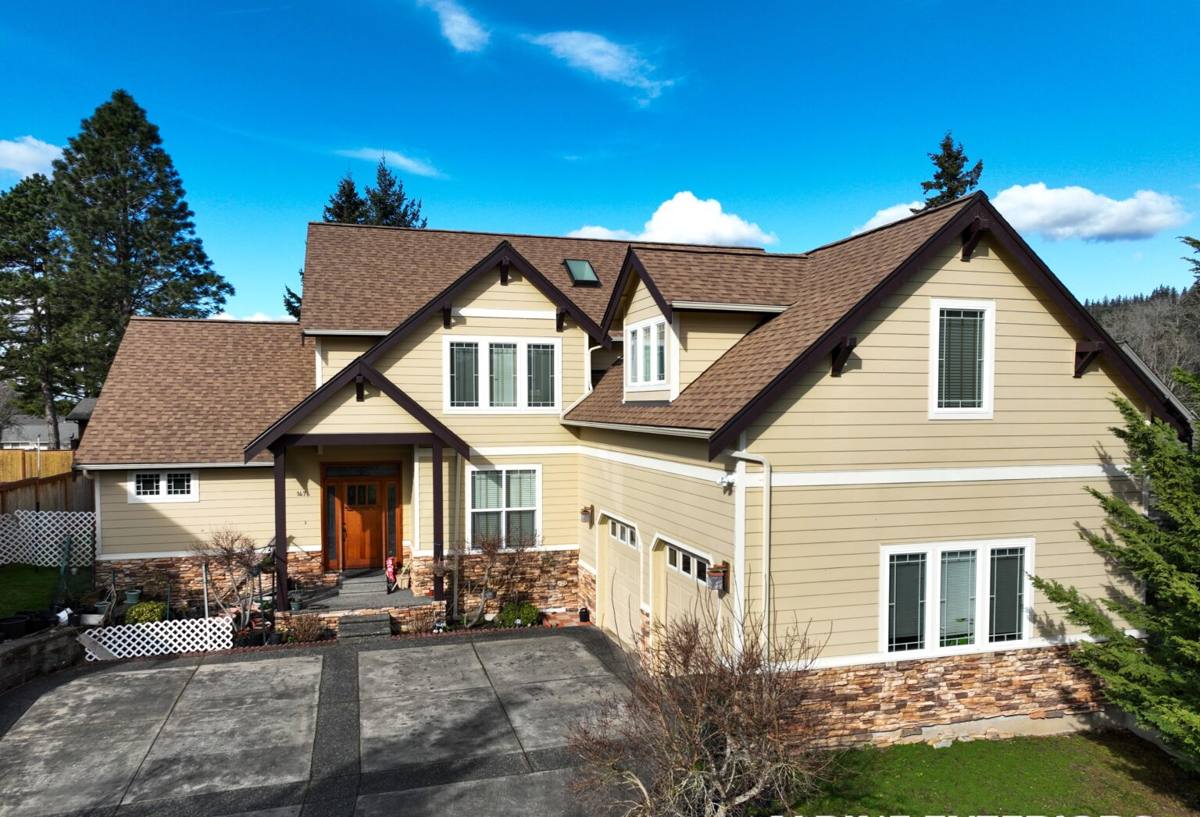
What Salt Air and Moss Season Actually Do to a Deck
Salt Air and Metal Fasteners
Proximity to saltwater accelerates corrosion on anything metal — nails, screws, joist hangers, and structural connectors. Standard electro-galvanized fasteners that might last two decades inland can start rusting and losing holding strength in a fraction of that time this close to the bay. Once a fastener corrodes, it doesn't just look bad — it loses grip, and that's how boards start to cup, squeak, or work loose.
Driving Rain and Water Intrusion
Wind off the water doesn't just fall straight down — it drives rain sideways, up under boards, and into any gap in flashing or ledger connections. Over time, that moisture works into end grain, fastener holes, and the ledger-to-house connection, which is one of the most common places we find hidden rot during a tear-off.
Moss, Algae, and Shade
Long wet seasons combined with tree cover mean moss and algae get a real foothold on any deck that isn't sloped and ventilated to shed water. Beyond being a slip hazard, moss holds moisture against the wood surface far longer than open air would, which speeds up decay in untreated or lower-grade lumber.
Signs Your Birch Bay Deck Needs Replacing, Not Patching
- Soft or spongy spots when you walk across the surface, especially near the house or stair landing
- Fasteners with rust streaks bleeding down the face of the boards
- Persistent moss or dark staining that comes back within weeks of cleaning
- Visible gaps, cupping, or splitting in more than a handful of boards
- A ledger board that feels damp or shows staining where it meets the house siding
- Railings or posts that flex more than they used to
- A structure that's more than 15-20 years old and has never had the framing inspected
If you're only seeing one or two of these, a repair might still make sense. Once several show up together, it usually means the framing has been absorbing moisture for years and a full replacement will save you money over repeated patch jobs.
What a Correct Deck Replacement Involves Here
Full Tear-Off and Framing Inspection
We don't just pull the decking boards and reuse the frame underneath without checking it. In a coastal location like Birch Bay, the frame is usually where the real damage lives, hidden under boards that still look presentable. Every joist, beam, post, and the ledger connection gets inspected before we price out or install anything new.
Ledger Flashing Done Right
The ledger board — where the deck attaches to the house — is the single most common source of hidden rot we find on coastal decks. Proper flashing, ideally with a self-adhering waterproof membrane behind it and metal flashing over it, keeps driving rain and runoff from ever reaching that connection. This step gets skipped more often than it should on lower-bid jobs because it takes time and isn't visible once the deck is finished.
Fastener and Hardware Selection
Given the salt exposure, we use corrosion-resistant fasteners and structural connectors rated for coastal or treated-lumber contact — not the cheapest galvanized option available. It costs a bit more up front and it's the difference between hardware that lasts the life of the deck and hardware that starts staining and failing within a few years.
Drainage and Slope
Every deck should be built with a slight slope away from the house and gaps sized to actually shed water rather than trap it. Combined with moss season, a flat or poorly-gapped deck becomes a standing-water problem fast. Getting the slope and spacing right during framing is far cheaper than trying to fix drainage after the fact.
Decking Material Options for a Bay-Side Property
| Material | How It Handles Salt Air & Moisture | Maintenance | General Cost Position |
|---|---|---|---|
| Pressure-treated wood | Decent rot resistance if properly sealed and maintained; still vulnerable to moss buildup in shade | Annual cleaning and re-sealing recommended | Lowest upfront cost |
| Cedar | Naturally rot- and insect-resistant, but softens faster in constant damp/shade without upkeep | Periodic oiling or staining to maintain resistance | Mid-range |
| Composite decking | Resists moisture absorption and moss staining well; doesn't cup or splinter from wet-dry cycling | Occasional washing, no sealing or staining needed | Higher upfront, lower long-term upkeep |
| PVC decking | Fully resists moisture intrusion and salt corrosion of the board itself; best for constant-shade, high-moss areas | Lowest maintenance of the options above | Highest upfront cost |
There's no universally "right" choice — it depends on your budget, how much shade the deck sits in, and how much upkeep you actually want to do. What matters most is matching the fasteners and framing details to whichever surface material you choose, since a great composite deck built on corroding hardware or an unflashed ledger will still fail early.
A Note on Framing Lumber
Regardless of what decking surface you pick, we hold the line on pressure-treated framing rated for ground contact where it's within splash range, and we don't cut corners on the ledger flashing or fastener grade to hit a lower number on a bid. Those are the parts nobody sees once the deck is finished, and they're exactly the parts that determine whether you're replacing this deck again in eight years or in thirty.
Our Process for a Birch Bay Deck Replacement
- On-site assessment — we walk the existing deck, check the framing where accessible, and look at drainage, shade exposure, and how close the deck sits to the water and prevailing wind.
- Written estimate — a clear breakdown of tear-off, framing, flashing, material selection, and labor, so you know what you're paying for and why.
- Tear-off and disposal — the old deck comes out, and we flag any additional rot or damage we find in the framing before proceeding, rather than after the fact.
- Framing and flashing — new structural lumber, corrosion-resistant hardware, and proper ledger flashing installed before any decking goes down.
- Decking and railing installation — your chosen surface material installed with correct spacing and slope for drainage.
- Final walkthrough — we go over the finished deck with you, including basic maintenance guidance specific to the material you chose.
Permits and Local Requirements
Deck replacements in Whatcom County generally require a building permit, particularly when the structure is elevated, attached to the house, or involves any change to footprint or railing height. Requirements can vary depending on your specific site and whether you're in unincorporated Whatcom County near Birch Bay or within a municipal boundary. We handle the permit process as part of the job so you're not left tracking down requirements yourself, and so the finished deck is built and inspected to code — which also matters if you sell the home down the road.
Why Local Experience with Birch Bay Conditions Matters
A crew that mostly builds decks inland can still do a technically fine job, but they may not default to the flashing detail, fastener grade, or drainage slope that a salt-air, high-moss environment actually demands unless they're specifically thinking about it. Working regularly in Ferndale, Birch Bay, and along the rest of the Whatcom County coastline means we're not guessing at what fails out here — we've seen it firsthand in tear-offs, and we build the replacement to avoid repeating it. That's a meaningful difference over the life of a deck that's going to sit exposed to this coastline for the next several decades.
Deck Replacement Checklist for Birch Bay Homeowners
- Confirm whether the issue is isolated to surface boards or extends into the framing
- Ask any contractor specifically how they flash the ledger board
- Ask what fastener and hardware grade is included, not just the decking brand
- Get a written estimate that separates tear-off, framing, and decking costs
- Confirm permit responsibility is included in the scope of work
- Discuss shade and moss exposure on your specific lot before choosing a decking material
- Ask about the drainage slope and board spacing plan before installation begins
If your deck is showing signs of wear from a few too many Birch Bay winters, we're happy to take a look and give you a straight, no-pressure assessment of whether it needs replacing and what that would involve. Use the form below to request a free estimate.