 Ferndale
 Windows Built for the Nooksack Climate, Not a Showroom
Nooksack sits close enough to the water and to the river bottomland that its homes take a different kind of weather beating than houses twenty miles inland. Between the salt-tinged air drifting off the Strait, driving rain that comes in sideways during the fall and winter storm cycles, and a moss season that seems to stretch longer every year, windows here have to do more than look good and keep out a draft. They have to survive repeated wetting and drying, resist the slow creep of moss and algae into every seal and sill, and keep conditioned air inside a house that's fighting condensation for a good six months of the year.
We install energy-efficient windows for homeowners throughout the Ferndale and Nooksack area, and the difference between a window that holds up here and one that doesn't usually isn't the glass — it's everything around the glass. Flashing, sill pans, frame material, and installation sequencing matter more in this climate than in drier parts of the state, and that's the part of the job that doesn't show up in a brochure.
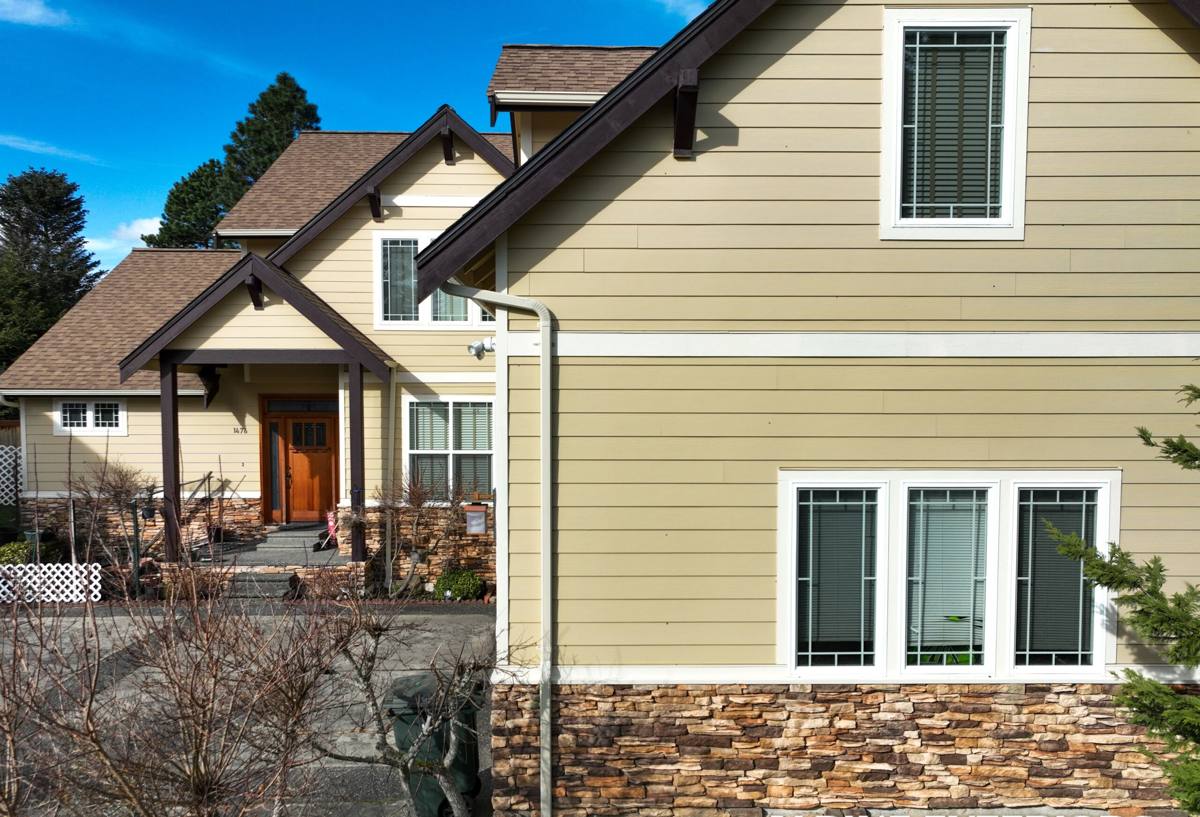
What Nooksack-Area Homes Actually Need From a Window
Moisture Management First, Efficiency Second
An energy-efficient window that leaks is not an energy-efficient window — it's a slow-motion repair bill. Whatcom County's rain doesn't fall straight down for much of the year; wind-driven rain off the water pushes moisture sideways into wall assemblies, and a window that isn't properly flashed and pan-sealed will eventually let that moisture behind the siding. We treat water management as the foundation of the job and treat the glass package as what it is: a layer on top of a system that either sheds water correctly or doesn't.
Salt Air and Hardware Longevity
Salt-laden air corrodes cheap hardware — hinges, locks, balance systems, and screen frames — faster than most homeowners expect. It's a slower process than storm damage, so it tends to go unnoticed until a window won't latch or a slider starts binding. We favor hardware and frame finishes rated for coastal exposure rather than the baseline hardware that ships standard on some window lines, because replacing failed hardware on a five-year-old window costs more in the long run than spending a bit more up front.
Moss and Organic Growth at the Sill
Moss doesn't just grow on roofs in this part of Washington. It colonizes window sills, tracks, and weep holes wherever moisture sits and shade lingers, and once it gets a foothold it holds water against the frame constantly. Weep holes that are too small, poorly placed, or easily clogged turn into standing-water traps. We size and place weep systems so they actually drain and stay clear, and we choose sill details that don't give moss an easy place to establish.
Where Older Windows Fail in This Climate
- Failed or fogged seals in older dual-pane units, letting moisture between the panes
- Wood frames with rot at the bottom corners from years of wind-driven rain
- Aluminum frames that conduct cold straight through, causing interior condensation and mildew on sills
- Weep holes clogged with moss, pollen, or paint, trapping water inside the frame
- Worn weatherstripping that lets in drafts you can feel on a windy Nooksack evening
- Single-pane or poorly rated glass that fogs up from the inside during cold snaps
If more than one of these sounds familiar, it's usually a sign the whole window assembly — not just the glass — has reached the end of its useful life.
Choosing the Right Window for This Specific Area
Frame Material
Vinyl and fiberglass frames generally outperform wood and bare aluminum in a marine-influenced climate like this one, because they don't rot and they resist corrosion better than metal. Fiberglass holds up especially well under repeated wet-dry cycling and has a lower rate of expansion and contraction than vinyl, which matters when a house sees big daily temperature swings between a cold, clear morning and a mild, wet afternoon. Wood windows can still work well here, but only with disciplined maintenance and a paint or clad exterior that's kept up — we're honest with homeowners about that maintenance commitment before they commit to wood.
Glass Package
Double-pane glass with a low-E coating and an insulated (argon or similarly filled) space between the panes is the practical baseline for this region. It cuts heat loss in winter, reduces solar gain on the rare hot summer day, and — just as important locally — keeps interior glass surfaces warmer, which reduces the condensation that leads to mildew on sills and frames. Triple-pane glass adds further insulation value and can be worth it for north-facing rooms or homes right along wind-exposed stretches, but it comes at a real cost premium that doesn't always pencil out for a moderate Whatcom County winter.
Installation Method
Full-frame replacement removes the old frame down to the rough opening and lets us fully inspect and re-flash the opening — the right call whenever there's any sign of past water intrusion, which is common in older Nooksack-area homes. Insert (pocket) replacement keeps the existing frame in place and drops a new window into it — faster and less invasive, but only appropriate when the existing frame and flashing are confirmed to be sound and dry.
Comparing Frame Options for This Climate
| Frame Type | Moisture Resistance | Salt Air Durability | Maintenance | Typical Cost Position |
|---|---|---|---|---|
| Vinyl | Very good | Good | Low | Lower to mid |
| Fiberglass | Excellent | Excellent | Low | Mid to higher |
| Wood (clad or unclad) | Fair — depends on upkeep | Fair | High | Higher |
| Aluminum (uninsulated) | Fair | Fair — prone to corrosion over time | Moderate | Lower |
We don't push one material on every job. The right choice depends on the specific exposure of the wall — a west-facing wall that catches driving rain and wind off the water is a different decision than a sheltered wall on the lee side of the house.
How We Approach a Nooksack-Area Window Project
1. On-Site Assessment
We look at each opening individually — sun and wind exposure, existing signs of water staining or soft wood, current flashing condition, and how the window ties into the siding and trim. Windows on the same house can need different solutions depending on which direction they face.
2. Removal and Opening Inspection
Once the old window is out, we inspect the rough opening for hidden rot or moisture damage before anything new goes in. This is the point where problems that have been building for years — often invisible from outside — get caught and fixed rather than sealed over.
3. Flashing and Sill Pan Installation
We install sill pan flashing and integrate it correctly with the house's weather-resistive barrier so any water that does reach the opening drains back out rather than into the wall. This step is the single biggest factor in whether a window installation holds up to Whatcom County rain over the next twenty years.
4. Setting and Sealing the Window
The window is set level and plumb, shimmed correctly so it operates smoothly, and sealed with materials matched to the frame type and siding. We use sealants and tapes rated for the temperature and moisture range this region actually sees, not just whatever is fastest to apply.
5. Interior and Exterior Finish
Trim, caulking, and any siding tie-in are finished to shed water and match the home's existing look. We walk the homeowner through operation, hardware care, and what to watch for in year one.
What a Correct Job Looks Like — A Homeowner's Checklist
- Sill pan flashing installed under every window, not just caulk over the gap
- Weep holes sized and positioned so they actually drain, not just decorative slots
- Frame material matched to the wall's specific sun, wind, and rain exposure
- Low-E, insulated glass appropriate for the room and orientation
- Hardware rated for coastal or marine-influenced conditions
- Rough opening inspected and repaired before the new window goes in, if needed
- A clear, honest answer about full-frame versus insert replacement for your situation
Energy Efficiency: What Actually Moves the Needle
Homeowners often ask which single upgrade saves the most on heating bills. In this climate, the honest answer is that air sealing and moisture control matter as much as the glass rating itself. A window with excellent U-factor numbers but a sloppy installation will still leak air and let cold spots form at the frame edges. We size glass packages appropriately for each room — a north-facing bedroom and a sun-exposed living room don't need identical specs — and we put equal effort into the seal around the frame, because that's where most real-world heat loss actually happens in older Nooksack homes.
Condensation control is the other half of the efficiency story. A well-insulated frame and warm interior glass surface reduce the moisture that collects on sills in winter, which in turn reduces the mildew and wood staining that's common on older, poorly insulated windows in this area.
Why Local Experience Matters for This Job
A crew that mostly installs windows in drier climates can do a technically fine job and still get the flashing details wrong for a coastal, high-rainfall area like Whatcom County. Wind-driven rain patterns, the specific way moss and organic growth behaves on sills here, and the corrosion risk from salt air aren't things you learn from a manufacturer's install manual — they're things you learn from doing this work, on houses like yours, in this exact area, for years. We've installed and repaired windows throughout Ferndale and the surrounding Nooksack area long enough to know which details actually matter for these homes and which ones are just upsells.
Maintenance That Extends the Life of Your Investment
Even the best-installed window benefits from basic upkeep in this climate. Clearing weep holes of moss and debris once or twice a year keeps drainage working. Wiping down tracks and hardware helps prevent salt and grime buildup from accelerating wear. Checking exterior caulking annually — especially after a hard winter — catches small gaps before they become water intrusion problems. We're happy to walk homeowners through a simple maintenance routine after installation so the windows perform the way they're supposed to for their full service life.
If your windows are drafty, fogged, hard to operate, or just past their prime, we'll take a look and give you a straightforward, no-pressure estimate for what it would take to fix it right. Use the form below to get started.