 Ferndale
 Decks in Lynden Take a Different Kind of Beating
Lynden sits inland from the coast, but it doesn't escape Whatcom County's wet season. Long stretches of steady rain, high humidity off the river valley, and short, low-angle winter sun add up to decks that stay damp far longer than most homeowners realize. Add in the moss and algae growth that shows up on any shaded or north-facing structure around here, and you've got the two biggest enemies of an outdoor deck working against your investment year-round: standing moisture and organic growth that traps it in place.
Closer to the water, homes deal with salt air on top of that rain — a combination that speeds up corrosion on fasteners and hardware. Lynden's exposure to salt is lighter than a waterfront lot, but the region's driving rain and long moss season don't stop at the coastline. A deck built or repaired without that climate in mind will show problems years before it should.
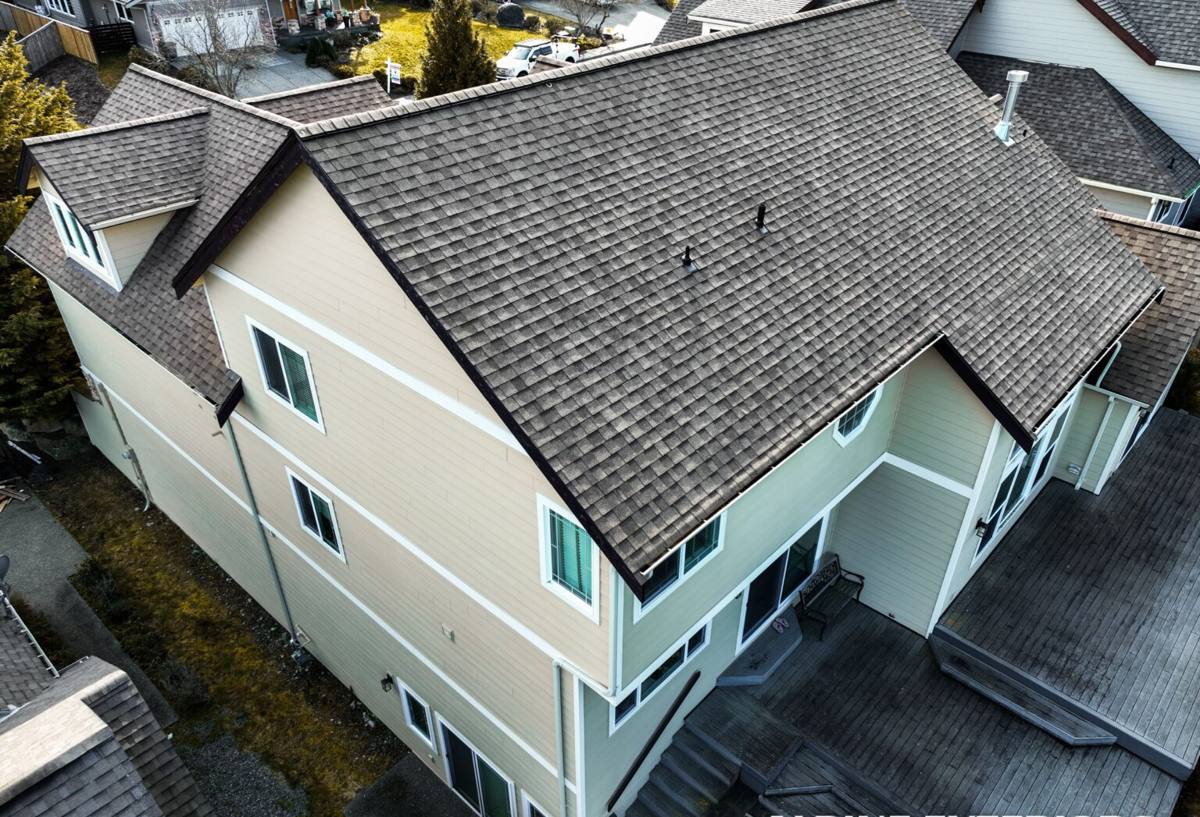
Signs a Deck Needs Repair — Not a Full Rebuild
Most decks don't fail all at once. They fail in specific spots, usually where water has had the most time to sit. Knowing what's a localized repair versus a structural red flag saves homeowners money and helps them avoid tearing out a deck that's still mostly sound.
- Soft or spongy spots when you walk the boards, especially near the house or in shaded corners
- Dark staining or a sour, musty smell around the ledger board where the deck meets the house
- Rust streaks below screw or bolt heads, or fasteners that spin loose in the wood
- Visible gaps, cupping, or splitting boards that catch water instead of shedding it
- Wobble in the railing posts or stair stringers when you put weight on them
- Green or black film building up faster than it used to, even after cleaning
Any one of these can usually be repaired. What matters is catching it before it spreads into the framing underneath, which is where a simple board swap turns into a much bigger job.
Why the Ledger Board Gets Special Attention
The ledger board — the piece that bolts the deck directly to the house — is the single most common source of a serious failure, and it's rarely visible from the top. Water that runs off the house siding or collects between the deck surface and the wall has nowhere to go, so it sits against the ledger and the house's rim joist. Over a few wet seasons, that can rot both the ledger and the framing it's attached to, without a single sign showing on the deck boards above. Any repair to a deck in this climate should include pulling back the surface boards near the house to actually inspect this connection, not just patching what's visible.
What a Correct Deck Repair Actually Involves
A repair that only replaces the boards you can see is a cosmetic fix, not a real one. If the framing, fasteners, or flashing underneath are compromised, new decking on top just buys a season or two before the same problem resurfaces. A proper repair works from the structure outward:
- Inspect the framing first. Joists, beams, posts, and the ledger connection get checked for rot, splitting, and fastener corrosion before anything else is decided.
- Address moisture paths. Flashing at the ledger, gaps between boards, and drainage under the deck all get evaluated — a repair that ignores where water is entering will fail again.
- Replace only what's compromised. Sound framing and boards stay; rotted or corroded material comes out. This keeps costs reasonable without cutting corners on safety.
- Match fasteners and hardware to the exposure. Coastal-grade or hot-dip galvanized hardware where moisture exposure is higher, standard exterior-rated hardware where it isn't.
- Reassemble to current structural practice. Deck-building codes have tightened over the years, particularly around ledger attachment and guardrail strength. A repair is a chance to bring an older deck closer to today's standard, even if a full permit rebuild isn't required.
Framing and Fasteners: The Part Nobody Sees
Most deck complaints start on the surface — a soft board, a stain, a splinter-prone rail — but the framing underneath is what actually determines whether a deck is safe. Joists and beams in our climate are typically pressure-treated, but pressure treatment only protects against rot; it doesn't stop the fastener corrosion that happens when treated lumber's chemical makeup reacts with lower-grade metal over years of damp exposure. That's why so many older Lynden-area decks show rust bleeding from screws long before the wood itself looks bad.
When we repair framing, we're checking joist ends (the part most likely to sit in standing water), post bases (where they meet concrete footings or grade), and every connection point where metal touches wood. A repair that swaps rotted boards but leaves corroded joist hangers or bolts in place hasn't solved the underlying problem — it's just delayed it.
Decking Surface: Boards, Rot, and the Moss Problem
On the surface itself, the two most common issues are individual board failure and the buildup of moss, algae, and mildew that this climate produces almost year-round. These aren't the same problem and don't get the same fix.
Board-level rot or splitting usually means individual replacement — pulling the bad board, checking the joist underneath for damage, and installing a matched replacement with proper gapping so water sheds instead of collecting between boards.
Moss and algae buildup is a maintenance and design issue as much as a repair one. It thrives where a deck doesn't get sun or airflow, and where boards are laid too tight to drain. Part of a proper repair is making sure gapping and any nearby landscaping aren't working against the deck — a deck can be structurally perfect and still stay damp if a hedge or fence blocks the breeze that would otherwise dry it out.
Repair vs. Replace: How We Help You Decide
Homeowners often assume visible damage means the whole deck needs to go. In our experience, most decks in this area can be repaired if the framing is still sound — even if that means a significant chunk of the surface boards get swapped out. The table below covers the general factors we weigh.
| Factor | Favors Repair | Favors Replacement |
|---|---|---|
| Framing condition | Joists and beams solid, isolated rot | Widespread rot or soft spots across framing |
| Ledger connection | Sound once flashing is corrected | Rotted ledger or rim joist behind it |
| Age of structure | Under 15-20 years, built to a reasonable standard | Older deck built before current guardrail/attachment practices |
| Extent of surface damage | Scattered boards, isolated moss/staining | Most boards cupped, split, or spongy |
| Footings and posts | Stable, no movement or settling | Heaving, rotted, or undersized footings |
We walk this same list on-site with you, and we'll tell you honestly if replacement makes more sense than sinking money into a repair — that's a judgment call we'd rather get right than oversell.
How Our Process Works
We keep the repair process straightforward and communicate what we find at each step, since most homeowners are trusting us to catch problems they can't see from the surface.
- On-site inspection. We walk the full deck — surface, railings, stairs, and underneath — and check the ledger connection directly.
- Honest scope and estimate. You get a clear picture of what's failing, what's still sound, and a straightforward cost range before any work starts.
- Moisture and drainage correction. Any flashing, gapping, or under-deck drainage issue gets addressed as part of the repair, not left for next time.
- Structural repair first. Framing, posts, and ledger work is completed and inspected before surface materials go back on.
- Surface and hardware finish. Matched decking, corrosion-resistant fasteners, and railing hardware appropriate for this climate's moisture exposure.
- Walkthrough. We show you what was repaired, what to watch going forward, and simple upkeep that extends the life of the work.
What This Costs
Deck repair pricing depends heavily on how much framing is involved versus surface boards alone, so we don't quote a number without seeing the deck. In general, isolated board and hardware repairs are the least expensive category of deck work, while jobs that involve ledger, framing, or footing repair cost more because of the labor to access and correct them safely. We'll always break the estimate down by scope so you can see exactly what's driving the cost.
Why a Local Ferndale Crew Matters for a Lynden Repair
Deck repair is one of those jobs where local knowledge changes the outcome. A crew that works across Whatcom County regularly sees how differently decks age depending on exposure — shaded, moss-prone lots on one end, and drier, wind-exposed sites on the other. That experience shapes what fasteners we spec, how we handle flashing at the ledger, and how aggressively we push back on "just replace the boards" fixes that don't address moisture underneath.
Working locally also means we're realistic about scheduling around this area's wet stretches — deck framing work needs a reasonable dry window to do right, and a crew that already knows the local weather pattern plans around it instead of rushing a repair between rainstorms.
Keeping a Repaired Deck in Good Shape
A well-executed repair should last for years, but this climate rewards a little seasonal upkeep. Clearing debris out of board gaps before it composts in place, keeping nearby plants trimmed back for airflow, and cleaning moss or algae before it gets established all go a long way toward protecting the work. If you notice a new soft spot, staining, or loose railing down the road, catching it early keeps it a small repair instead of a repeat of the original problem.
If you're seeing any of the warning signs above, or just want an honest read on whether your deck needs repair or replacement, we're happy to take a look. Reach out for a free, no-pressure estimate using the form below.