 Ferndale
 Storm Damage in the Lynden Area Isn't Like Storm Damage Everywhere Else
Homes around Lynden and the surrounding Ferndale area sit in a part of Whatcom County that gets hit from more than one direction. Pacific storms roll in off the water with driving, wind-blown rain that finds every weak seam in a roof. Then, on top of that, this part of the county sees outflow wind events funneling down through the Fraser Valley and the Sumas Gap — cold, fast bursts of wind that behave differently than a typical coastal gust. Add a marine layer that carries a faint salt tinge inland on many days, and a moss season that can stretch from October well into spring, and you've got a roof that's working harder than one in a drier climate, even when nothing dramatic ever seems to happen in any single storm.
That combination is why storm damage repair out here isn't just about patching what obviously blew off. It's about understanding how wind, rain, and prolonged moisture exposure interact on a roof over time, and repairing it in a way that holds up through the next round of weather, not just until the next inspection.
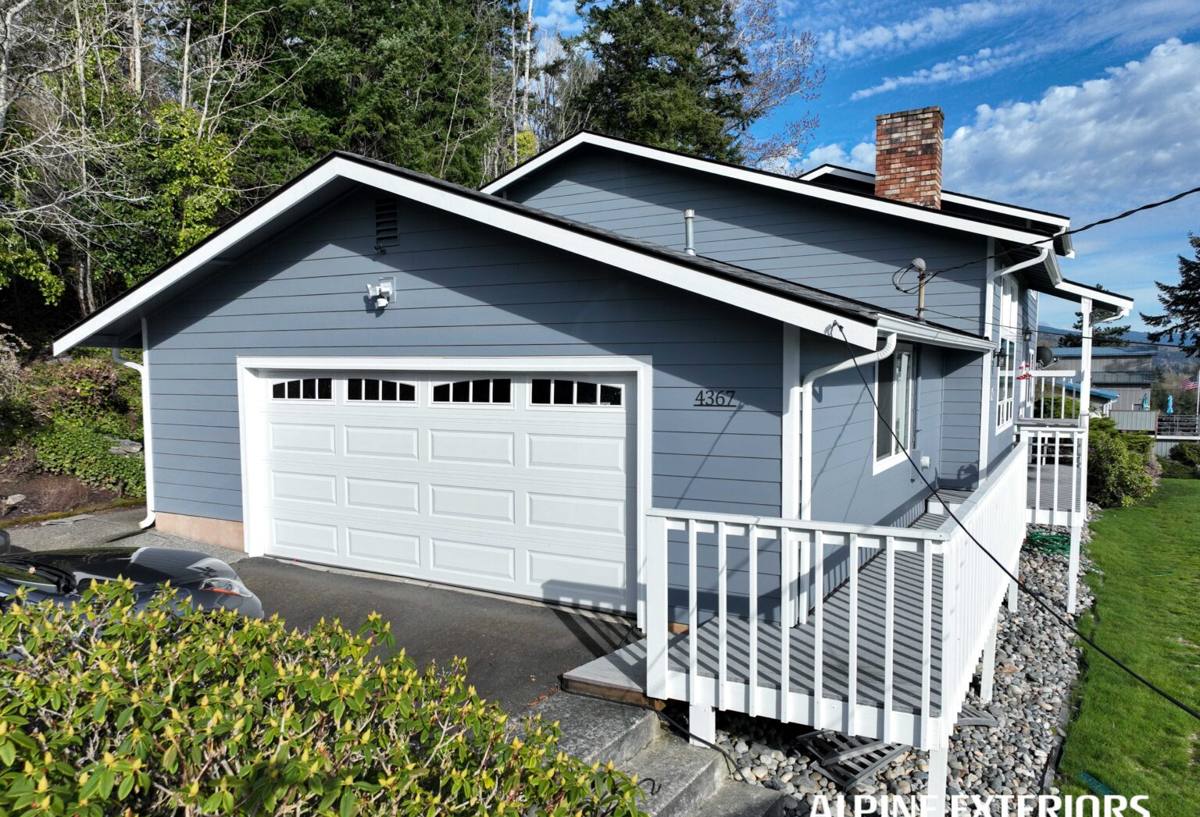
What Actually Counts as Storm Damage
Homeowners often picture storm damage as a dramatic event — a branch through the roof, or shingles scattered across the yard. That happens, but a lot of the storm damage we get called out for around Lynden is quieter and easier to miss:
- Shingles lifted or creased at the tab by wind, then pressed back down looking mostly normal but no longer sealed
- Flashing around chimneys, vents, and roof-to-wall transitions worked loose by repeated wind flex
- Granule loss from wind-driven rain and hail-like debris, thinning the shingle's UV and weather protection
- Gutters and downspouts torn loose or clogged with wind-stripped debris, sending water where it shouldn't go
- Moss and moisture intrusion at damaged seams that turns a small wind event into a slow leak nobody notices for months
The outflow wind events that come through the Sumas Gap are a particular culprit for that first item. They tend to hit in short, hard bursts rather than a steady blow, which is exactly the pattern that lifts shingle tabs without tearing them off completely — the kind of damage that looks fine from the ground.
Why Moss Season Complicates Storm Repair
Whatcom County's long wet season means moss has months to establish itself on north-facing slopes and shaded valleys, which describes a lot of roofs in and around Lynden. Moss holds moisture against the roofing material, and a roof that's already retaining water is far more vulnerable when a storm tests a weak flashing joint or a lifted shingle. We routinely find that what looks like "storm damage" is really storm damage on top of moss-related wear that had already been softening the roof deck or degrading the shingle underneath for a season or two.
What a Correct Storm Damage Repair Actually Involves
A quick patch job can hide a problem for a while, but it rarely holds up through a second storm season. A repair done right starts with figuring out how far the damage actually extends, not just fixing what's visible from the driveway.
Full Inspection Before Any Repair
That means getting on the roof (not just looking from the ground), checking the attic or roof deck from underneath where accessible for water staining, and inspecting flashing, valleys, and penetrations near the damaged area — not just the spot that's obviously torn up. Wind damage rarely stays confined to one shingle.
Matching Materials, Not Just Filling Gaps
Replacement shingles need to match the existing roof's type, profile, and weight as closely as possible, both for a clean weather seal and so the repair doesn't stand out as an obvious patch. Exact color matching isn't always possible once a roof has weathered for a few years, and we'll tell you honestly when that's the case rather than promise a seamless blend we can't deliver.
Flashing and Underlayment Done Properly
Most repeat leaks after a storm repair trace back to flashing that was resealed instead of replaced, or underlayment that was left in place when it should have been swapped out around the damaged section. We replace compromised flashing and underlayment rather than caulk over it — caulk is a short-term seal, not a repair.
Our Process for Storm Damage Calls in the Lynden Area
- Initial assessment. We look at the full roof, not just the reported damage, and document what we find with photos.
- Temporary protection if needed. If there's an active leak or exposed decking, we get it tarped or covered the same visit so the problem doesn't get worse while repairs are scheduled.
- Written scope and estimate. You get a clear breakdown of what needs repair, what materials are involved, and an honest cost range before any work starts.
- Insurance documentation, if you're filing a claim. We provide photos and a written damage description your adjuster can use — we're not a public adjuster, but we make sure the paperwork reflects what's actually wrong.
- The repair itself. Matched materials, proper flashing and underlayment work, and a check of surrounding areas that took wind stress even if they didn't fail.
- Follow-up check. We want to see the repair through at least one more round of weather, not just walk away after the last nail goes in.
Repair vs. Replace: What Actually Decides It
Not every storm-damaged roof needs a full replacement, and not every roof can be responsibly patched. The honest answer depends on a few factors:
| Factor | Leans toward repair | Leans toward replacement |
|---|---|---|
| Roof age | Under 10-12 years, still has useful life left | Near or past expected lifespan for the material |
| Extent of damage | Isolated to one section or slope | Spread across multiple areas or slopes |
| Underlying deck condition | Deck is sound, no rot found | Soft spots or rot found at the deck level |
| Prior moss/moisture history | Minimal, well-maintained roof | Long-term moss buildup or repeated past leaks |
| Material availability | Matching shingle still in production | Discontinued line, no reasonable match available |
We'll tell you which side of that table your roof falls on and why, including when a repair is genuinely the right call rather than upselling a replacement you don't need.
Insurance Claims: What to Expect
Most homeowners' policies cover sudden storm damage — wind, falling debris, that kind of thing — but they typically don't cover damage that built up gradually from deferred maintenance, like long-term moss buildup or a roof that was already past its service life. That distinction matters, because an adjuster will be looking for it too. We document what we see honestly, which protects you either way: it supports a legitimate claim, and it also tells you the truth if a problem predates the storm and needs to be addressed as maintenance rather than an insurance repair.
Reducing the Next Storm's Impact
Once the immediate repair is done, a few practical steps cut down how much the next storm season can do to your roof:
- Keep gutters and downspouts clear so wind-driven rain has somewhere to go besides under your shingles
- Address moss buildup before it spreads across a full slope, not after
- Trim back branches that overhang the roof — wind turns them into impact hazards
- Have flashing checked periodically, especially around chimneys and vent penetrations, since these are the first points to fail in wind events
- Make sure attic ventilation is adequate — trapped moisture under the roof deck makes storm damage worse when it does occur
Why It Matters That We Already Work in Lynden
A crew that only shows up after a storm to chase insurance work doesn't know this roof, this street, or this weather pattern. We work throughout the Ferndale and Lynden area regularly, which means we already have a sense of how outflow wind events tend to hit certain roof orientations, how moss behaves on the shaded slopes common to this area, and what building department requirements apply to repairs versus full tear-offs in Whatcom County. That familiarity shows up in faster, more accurate diagnosis and repairs that account for what this specific climate is going to do next, not just what already happened.
If a recent storm left you with a leak, missing shingles, or just a nagging feeling that something's not right up there, we're happy to take a look. Fill out the form below for a free, no-pressure estimate — we'll tell you honestly what we find and what it'll take to fix it right.