 Ferndale
 New Roof Installation for Marietta Homes
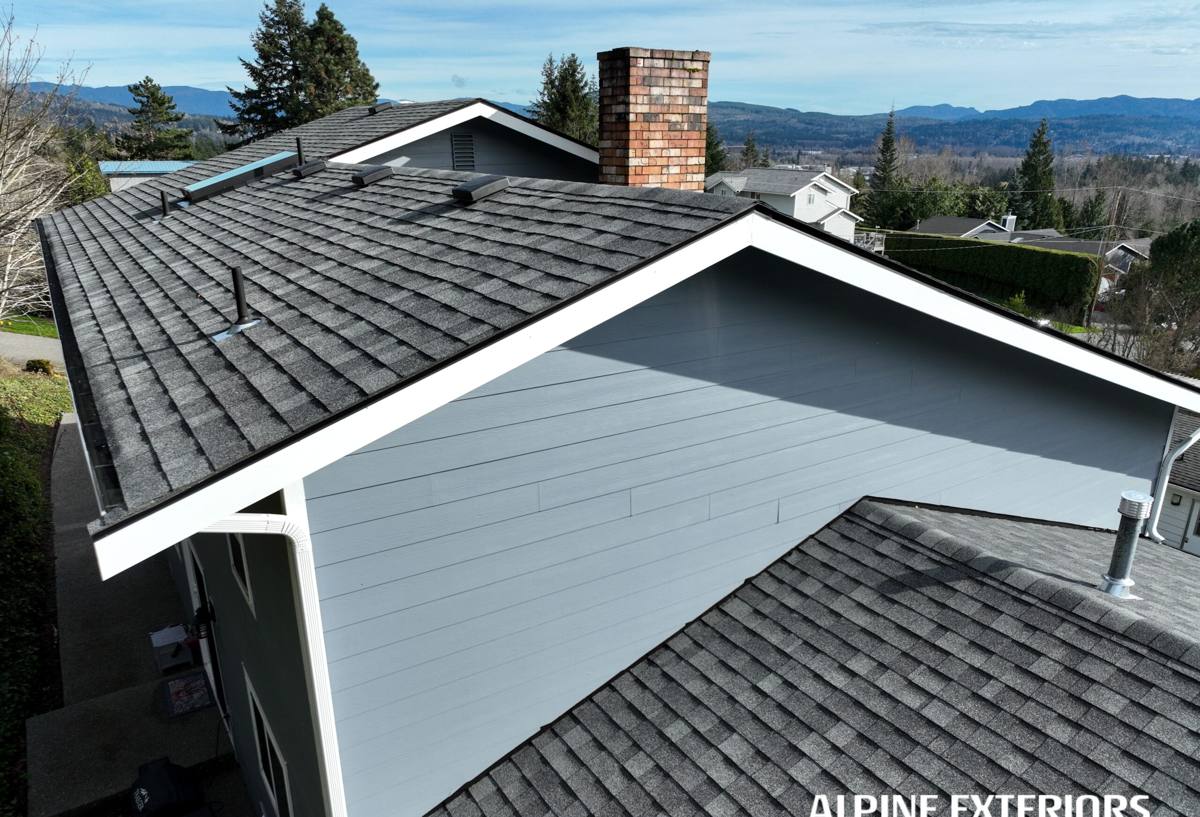
Marietta sits close enough to the water that salt air is part of daily life, and that changes what a roof has to deal with year after year. Between the marine exposure, the driving rain that comes off Georgia Strait and Lummi Bay, and a moss season that can stretch through most of the wet months, a roof out here works harder than one a few miles inland. A new roof installation in this area isn't just about swapping old shingles for new ones — it's about building a roof system that's matched to this specific stretch of Whatcom County coastline.
We've installed and repaired roofs across Ferndale and the surrounding communities long enough to know which details matter here and which ones are just upsells. This page walks through what a correct roof install looks like for a Marietta home, why the local climate drives certain decisions, and how our process works from first look to final walkthrough.
Why Marietta's Climate Is Tougher on Roofs Than It Looks
Marietta doesn't get hurricanes or hailstorms, so it's easy to assume the roofing here is low-stress. In practice, the combination of conditions is a slow, steady wear pattern that catches homeowners off guard because it doesn't show up as one dramatic event — it shows up as a roof that fails ten years earlier than it should have.
Salt Air and Corrosion
Proximity to saltwater means airborne salt settles on roofing surfaces, flashing, fasteners, and any exposed metal. Over time, salt exposure accelerates corrosion on lower-grade fasteners and unprotected metal flashing. It's one of the reasons we're particular about fastener and flashing material selection on homes this close to the water — the wrong hardware can start rusting years before the shingles above it are due for replacement.
Driving Rain
Rain in this part of Whatcom County rarely falls straight down. Wind off the water pushes it sideways, which means it can work its way under shingles, around vents, and behind poorly sealed flashing that would be fine in a calmer climate. A roof here needs tighter water-shedding details at every transition point — valleys, chimneys, skylights, wall intersections — because wind-driven rain finds the gaps a straight-down rain never would.
Moss and Shade
Between the marine humidity and tree cover common in this area, moss finds a foothold fast, especially on north-facing slopes and shaded sections of roof. Moss isn't just cosmetic — it holds moisture against the roofing surface, lifts shingle edges as it grows, and can shorten the life of even a well-installed roof if it's left unmanaged.
What a Correct Roof Installation Actually Involves
A roof is a system, not a single layer. Skipping or shortcutting any one of these components is usually where premature leaks and early failures come from — and it's not always visible from the ground once the roofing material is on.
Tear-Off and Deck Inspection
We remove the old roofing down to the deck rather than installing over existing layers. That lets us inspect the sheathing for soft spots, rot, or water damage that's often invisible until the old material is off. Any damaged decking gets replaced before anything new goes down — installing new roofing over a compromised deck just hides a problem instead of fixing it.
Underlayment
Given how much wind-driven rain this area sees, underlayment choice matters more here than in drier inland climates. We use synthetic or ice-and-water shield underlayment at vulnerable areas — eaves, valleys, and penetrations — to give the roof a second line of defense if water does get past the surface layer.
Flashing
Flashing around chimneys, skylights, vent pipes, and wall intersections is where most roof leaks actually originate, not the open field of shingles. We use corrosion-resistant flashing material and proper step-and-counter flashing techniques at wall intersections, which matters even more in a salt-air environment where lower-grade metal degrades faster.
Ventilation
Proper intake and exhaust ventilation keeps the attic temperature and moisture balanced, which protects the roof deck from the inside and helps prevent condensation issues that can rot sheathing over time. It also plays a role in slowing moss growth by keeping the roof surface from staying damp longer than it needs to.
Fasteners
We use fasteners rated for coastal exposure rather than standard-grade hardware. It costs a little more up front, but it avoids the early rust staining and fastener failure that shows up on homes near the water when standard fasteners are used.
Our Installation Process
- On-site assessment. We look at your current roof's condition, deck, ventilation setup, and any problem areas — moss buildup, previous leak history, flashing condition — before recommending anything.
- Material and system recommendation. Based on your roof's slope, sun/shade exposure, and your budget, we recommend a roofing material and underlayment system suited to this climate, not a one-size-fits-all package.
- Written estimate. You get a clear scope of work and price before any work begins — no surprise add-ons mid-project.
- Tear-off and deck repair. Old roofing comes off, the deck is inspected, and any damaged sheathing is replaced.
- Underlayment and flashing installation. This is where most of the long-term water protection actually comes from, and it's not visible once the job is done — we don't cut corners here.
- Roofing material installation. Installed to manufacturer specification and local building code, with attention to proper nailing patterns and exposure for wind resistance.
- Ventilation check and final details. Vents, boots, and penetrations get sealed and checked before cleanup.
- Walkthrough and cleanup. We walk the job with you, answer questions, and make sure the property is cleaned up — magnetic sweep for nails included.
Choosing a Roofing Material for a Coastal Whatcom County Home
There's no single "best" roofing material — the right choice depends on your roof's exposure, your budget, and how much long-term maintenance you're willing to take on. Here's how the common options stack up for a home in this climate specifically.
| Material | Coastal/Salt Air Performance | Moss Resistance | Typical Lifespan |
|---|---|---|---|
| Architectural asphalt shingle | Good, with corrosion-resistant fasteners and flashing | Moderate — benefits from periodic cleaning | 25-30 years |
| Standing seam metal | Excellent when properly coated and fastened | High — sheds moss more easily due to slick surface | 40-50+ years |
| Composite/synthetic shingle | Good, resists moisture absorption well | Moderate to good | 30-50 years |
| Cedar shake | Requires diligent maintenance in salt/moisture exposure | Lower — needs regular treatment and cleaning | 20-30 years with upkeep |
We install and stand behind asphalt, composite, and metal roofing systems. On homes with heavier moss history or north-facing shaded slopes, we'll often talk through metal or composite as a lower-maintenance option — not because asphalt is a bad choice, but because it's an honest tradeoff between upfront cost and long-term upkeep.
What Drives the Cost of a Roof Replacement
Every roof is different, so we won't quote a number without seeing your home, but these are the factors that move the price up or down.
| Factor | Why It Matters |
|---|---|
| Roof size and pitch | Steeper roofs take longer to work safely and require more material overlap |
| Number of penetrations | Chimneys, skylights, and vents each require additional flashing and labor |
| Deck condition | Rotted or damaged sheathing found during tear-off adds material and labor |
| Material selection | Metal and composite systems typically cost more upfront than asphalt |
| Access and layout | Steep lots, multiple stories, or limited staging area can add complexity |
| Tear-off layers | Removing multiple existing layers of roofing takes more labor than a single layer |
Signs Your Marietta Home May Need a New Roof
Because of the wear pattern common in this area, roof problems here often show up gradually rather than as one obvious failure. Watch for these signs:
- Granule loss showing up in gutters or at downspout outlets
- Curling, cracked, or missing shingles, especially on sun- and wind-exposed slopes
- Heavy moss buildup that returns quickly after cleaning
- Rust staining or corrosion around flashing, vents, or fasteners
- Daylight visible through the attic decking
- Water stains on interior ceilings or in the attic after wind-driven rain
- Roof age approaching or past its expected lifespan for the material installed
- Sagging areas on the roofline, which can indicate deck or structural issues
Why It Matters to Hire a Crew That Already Works in This Area
A roofing crew unfamiliar with coastal Whatcom County conditions might install a technically sound roof by general standards and still leave it under-protected for what this specific location throws at it — the wrong fastener grade, standard underlayment where a wind-driven-rain area needs more, or no plan for moss management. We work in Ferndale and the surrounding communities regularly, which means we're not guessing at what holds up here — we're building on what we've already seen succeed and fail on homes just like yours.
Local familiarity also means straightforward communication about permitting, typical weather windows for scheduling tear-off work, and realistic timelines that account for the wetter stretches of the year rather than a generic install schedule.
Maintenance That Extends Your New Roof's Life
A well-installed roof still benefits from basic upkeep, especially in this climate. Keep gutters clear so water isn't backing up under the roof edge, have moss growth addressed before it spreads rather than after, and schedule a periodic visual inspection — particularly after major windstorms — to catch flashing or fastener issues early. None of this is expensive or time-consuming, but skipping it is one of the most common reasons a good roof underperforms its expected lifespan.
Get a Free, No-Pressure Estimate
If your roof is showing its age or you're planning ahead for a replacement, we're happy to take a look, walk you through what we find, and put together a straightforward estimate — no pressure, no pushy sales tactics. The form below gets you started.