 Ferndale
 Why Point Roberts Windows Wear Out Faster Than Most
Point Roberts sits on a peninsula surrounded by marine water, which means homes here take a different kind of beating than houses just a few miles inland in Ferndale or Bellingham. Salt-laden air off the water accelerates corrosion on hardware, fasteners, and low-quality window frames. Driving rain off Boundary Bay and the Strait of Georgia gets pushed sideways by wind, so it finds every weak seal, gap, and worn weep hole. And the long, damp Whatcom County moss season keeps humidity high around window frames for months at a time, which is exactly the environment that lets rot, mildew, and seal failure take hold.
None of that means windows here are doomed — it means they need to be selected, sealed, and installed with that specific exposure in mind. A window that performs fine in a dry inland climate can underperform in a few years on a waterfront or near-waterfront lot in Point Roberts if it wasn't built and installed for wind-driven moisture and salt exposure.
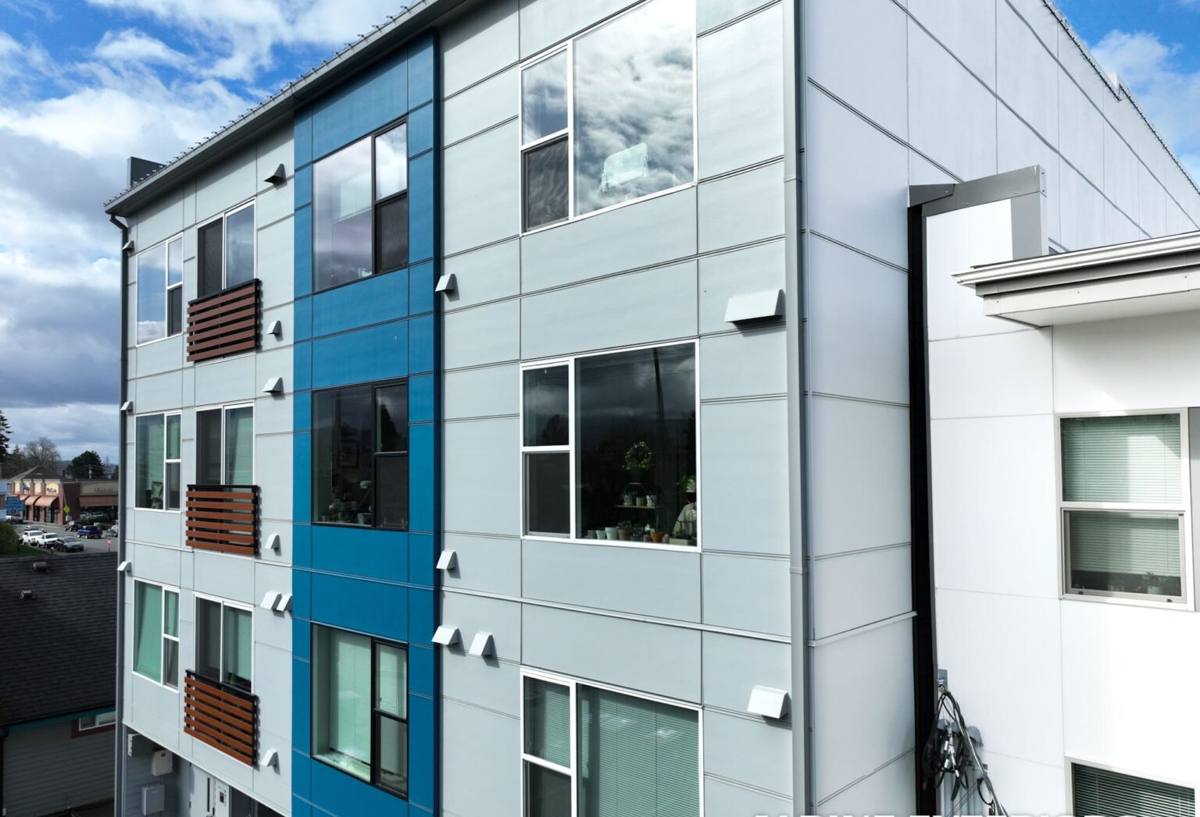
What "Energy Efficient" Actually Means Out Here
Energy efficiency gets marketed as a single number — usually U-factor — but on the water side of Whatcom County, the number that matters just as much is how well a window resists air and water intrusion under wind pressure. A window can have a great U-factor on paper and still leak cold air and moisture at the frame if the installation isn't sealed correctly for driving rain.
The factors we actually weigh for this area
- U-factor — how much heat transfers through the window; lower is better for our cool, damp winters.
- Air infiltration rating — how much air leaks around the sash and frame under wind pressure, which matters more here than in sheltered inland yards.
- Condensation resistance — how well the window resists interior fogging and moisture buildup during our humid, low-sun months.
- Frame and hardware corrosion resistance — salt air degrades cheap fasteners and finishes faster than almost anything else in this region.
- Flashing and sealant detailing — the installation, not just the window itself, is what keeps wind-driven rain out of the wall cavity.
A correctly specified, correctly installed window addresses all five. Skip any one of them and the home ends up with drafts, fogged glass, or worse — hidden moisture damage in the wall behind the trim.
Signs Your Current Windows Are Underperforming
Homeowners usually notice a problem long before they know what's causing it. On Point Roberts and similar exposed sites, these are the patterns we hear about most:
- Cold drafts near the window frame even when the sash is fully latched
- Fogging or condensation between panes, which usually means a failed seal on an older insulated glass unit
- Soft or discolored trim and sill areas, often a sign moisture has been getting behind the frame
- Visible corrosion or pitting on hardware and hinges
- A noticeable jump in heating costs without any other change to the home
- Difficulty opening or closing sashes smoothly, which can indicate frame swelling from moisture
Any one of these on its own isn't necessarily an emergency, but a home with several of them is losing energy every day it goes unaddressed — and if moisture is involved, the damage compounds the longer it sits.
Frame Materials: What Holds Up in This Climate
We get asked constantly which frame material is "best." The honest answer is that it depends on exposure, budget, and how much upkeep the homeowner wants to do. Here's how the common options stack up specifically against salt air and driving rain:
| Frame Material | Salt Air / Moisture Behavior | Maintenance | Notes for This Area |
|---|---|---|---|
| Vinyl | Won't corrode; performs well against salt air | Low | Good value pick; quality varies a lot between manufacturers |
| Fiberglass | Excellent — very stable in temperature swings and moisture | Low | Strong long-term choice for exposed, waterfront-adjacent sites |
| Aluminum | Prone to corrosion in salt air unless marine-grade finished | Moderate | We're selective about where we recommend this locally |
| Wood / wood-clad | Attractive but vulnerable if seals or cladding fail | Higher | Can work well with proper detailing and upkeep, but is less forgiving of driving rain |
We don't push one brand or material on every job — we match the material to the specific exposure of the wall it's going into. A window on a sheltered side of the house doesn't need the same spec as one facing open water and prevailing wind.
Why We're Selective About Certain Products
Some window and cladding systems that perform fine in drier, calmer climates aren't a good fit for a peninsula environment. That's not a knock on those products in general — it's about matching the product's real-world moisture and salt tolerance to the actual conditions a Point Roberts home faces. Where a material has known maintenance sensitivity in high-moisture, high-salt exposure, we'll tell you that directly, along with what it would take to make it work reliably if you still want it.
What a Correct Installation Involves
The window unit is maybe half the equation. The other half is installation detailing, which is where most premature failures actually start — not with the glass or the frame, but with a gap in the flashing or a sealant joint that wasn't built to handle wind-driven rain.
Our installation approach
- Remove the old window and inspect the rough opening and sheathing for hidden moisture or rot before anything new goes in
- Repair or replace any compromised framing or sheathing found during that inspection
- Install flashing in the correct shingle-lap sequence so water is directed out and down, never trapped behind the window
- Set the new window level, plumb, and properly shimmed to manufacturer spec
- Seal and insulate the gap between frame and rough opening without over-compressing the frame
- Finish exterior trim and sealant joints rated for sustained wet, salt-exposed conditions
- Test operation and check the seal from both inside and outside before we call the job done
Skipping the inspection step is the most common shortcut that leads to callbacks. If there's already hidden rot behind an old window, installing a brand-new energy-efficient unit on top of it just hides the problem — it doesn't fix it.
What Drives the Cost
Every home and opening is different, so we won't quote a number without seeing the job, but these are the factors that most affect price on a Point Roberts window project:
| Factor | Why It Matters |
|---|---|
| Frame material and glass package | Fiberglass and upgraded low-E/argon glass cost more upfront than basic vinyl |
| Number and size of openings | More and larger windows increase material and labor time |
| Condition of the existing rough opening | Hidden rot or framing repair adds time before the new window can go in |
| Wall exposure | Openings facing open water or prevailing wind may call for a higher moisture-resistance spec |
| Trim and finish work | Matching existing exterior trim or upgrading it affects both material and labor |
| Access and logistics | Point Roberts scheduling and material delivery factor into project timelines |
Why a Crew That Already Works Point Roberts Matters
Point Roberts is geographically separated from the rest of Whatcom County — getting crews, materials, and equipment there takes planning that a contractor unfamiliar with the area won't have dialed in. A crew that already works this community understands the border logistics, the scheduling lead time material deliveries require, and the specific wind and moisture exposure that different parts of the peninsula see. That familiarity translates directly into fewer surprises, more accurate estimates, and installation details that are actually built for the conditions your home faces, not generic inland specs.
It also means fewer trips back. When a crew has installed windows on similar homes nearby, they've already seen what fails first in this environment and adjust their approach before problems start, rather than learning it on your house.
A Quick Checklist Before You Hire Anyone
- Do they inspect the rough opening for hidden moisture before installing, not just swap the window?
- Can they explain their flashing and sealant approach for wind-driven rain, not just recite a U-factor?
- Do they offer frame material options suited to salt air exposure, or push one product regardless of your home's exposure?
- Are they familiar with scheduling and logistics for Point Roberts specifically?
- Do they give you a written scope, not just a verbal price?
- Will they show you the manufacturer's warranty terms in writing, including what voids it?
If a contractor can't answer these clearly, that's worth noticing before any contract is signed.
Get a Straightforward Look at Your Windows
If your Point Roberts home has drafts, fogged glass, rising heating bills, or windows that just feel like they're losing the fight against the weather, we're glad to take a look and give you an honest read on what's going on — no pressure, no upsell. Use the form below to request a free estimate, and we'll walk the property, check the actual condition of your openings, and lay out real options and pricing before any work is scheduled.